If you are running Google Ads or other paid ads for your dental practice and wondering if they are actually working, you are not alone. Many dental professionals invest heavily in PPC advertising but never truly understand what their marketing performance is telling them. They see clicks, impressions, and ad spend going out every month, but the real question remains. How many patients are those PPC campaigns actually bringing into your dental office?
Tracking and analyzing dental PPC performance is one of the most important steps in turning online advertising into real practice growth. Without the right tracking software, key performance indicators, and data driven decisions, even the most beautiful ad copy or optimized landing pages can fall flat.
In this guide, we are going to break down exactly how dental practices can track, analyze, and improve dental PPC campaigns in a way that actually leads to new patient acquisition, higher conversion rates, and a stronger return on investment ROI.

Why Tracking and Analyzing Dental PPC Performance Matters
PPC marketing is powerful. When done correctly, dental PPC campaigns can put your practice in front of potential patients who are actively searching for dental services like dental implants, cosmetic dentistry, or teeth whitening. These people are already in Google’s search results with high intent. But PPC advertising is also one of the fastest ways to waste money if you are not tracking what matters.
Tracking and analyzing dental PPC performance allows you to:
-
Understand how many patients your paid ads are actually generating
-
Identify which marketing channels are driving new patient bookings
-
Improve ad relevance and click through rates
-
Maximize ROI and protect your marketing budget
-
Make informed decisions instead of guessing
If you are not measuring performance, you are relying on hope instead of data. And hope is not a marketing strategy.
Start With Clear Goals for Your Dental PPC Campaigns
Before diving into Google Analytics or your Google Ads account, you need to define what success looks like for your dental clinics. Different dental practices will have different goals depending on services typically offered.
Some common PPC campaign goals include:
-
Increasing new patient acquisition
-
Booking more patient appointments for dental implants or cosmetic dentistry
-
Driving phone calls from local patients
-
Filling unused chair time
-
Promoting high value dental treatments
When you know your goal, it becomes much easier to identify the key metrics and key performance indicators that matter most.

The Most Important Key Performance Indicators for Dental PPC
One of the biggest mistakes dental professionals make is focusing on vanity metrics. Clicks alone do not equal actual patients. Instead, you want to track KPIs that connect directly to revenue generated and patient acquisition.
Click Through Rates
Click through rates show how compelling your ad copy is and how relevant your targeted keywords are. Low click through rates often signal poor ad relevance or weak messaging.
Conversion Rates
Conversion rates tell you how many people took action after clicking your ad. This could be filling out a form, calling your dental office, or booking online. Strong conversion rates usually come from optimized landing pages and relevant keywords.
Phone Calls and Call Tracking Numbers
Phone calls are one of the most important indicators of dental PPC performance. Using a call tracking number allows you to track how many calls come directly from your PPC ads and which ad groups are performing best.
Cost Per Lead and Cost Per Appointment
Knowing how much you are paying for each lead or patient appointment helps you evaluate your return on investment. Cheap clicks mean nothing if they do not turn into new patient bookings.
Return on Investment ROI
ROI is the ultimate metric. How much revenue is generated compared to your ad spend. If your PPC advertising is not producing a positive return on investment, something needs to change.
Set Up Google Analytics the Right Way
Google Analytics is essential for tracking and analyzing dental PPC performance. If it is not set up properly, your data will be incomplete or misleading.
Key steps include:
-
Linking Google Analytics to your Google Ads account
-
Tracking form submissions and phone calls as conversions
-
Monitoring landing pages and user behavior
-
Identifying which marketing channels drive the most patient acquisition
Google Analytics helps you see what happens after the click. This is where the real insights live.

Use Call Tracking Software to Measure Real Patient Interest
Dental PPC campaigns often generate phone calls rather than form fills. Without call tracking software, you have no way of knowing which ads are actually driving calls from potential patients.
A call tracking number can show:
This data helps dental practices make data driven decisions about ad groups, targeted keywords, and marketing strategies.
Track Performance by Service Line
Not all dental services perform the same in PPC advertising. Dental implants, cosmetic dentistry, and teeth whitening often have very different performance metrics.
Break down your PPC performance by service type:
-
Dental implants
-
Cosmetic dentistry
-
Teeth whitening
-
General dental treatment
This allows you to see which services deliver the strongest ROI and where your marketing efforts should be focused.
Analyze Keyword Research and Search Results Regularly
Thorough keyword research is the foundation of successful dental PPC campaigns. But keyword research is not a one time task. It needs ongoing analysis.
Look at:
-
Search terms triggering your ads
-
Google’s search results for high converting keywords
-
Irrelevant searches that waste ad spend
Adding negative keywords and maintaining a strong negative keyword list is critical. Negative keywords prevent your ads from showing for searches that will never convert, protecting your marketing budget.

Optimize Ad Groups and Ad Relevance
Strong PPC performance depends on tightly themed ad groups with relevant keywords and compelling ad copy.
Best practices include:
-
Grouping relevant keywords together
-
Matching ad copy to search intent
-
Using ad extensions to increase visibility
-
Aligning ads with optimized landing pages
Ad relevance improves click through rates, lowers cost per click, and boosts overall PPC performance.
Improve Landing Pages to Boost Conversion Rates
Even the best PPC ads will fail if your landing pages are weak. Dental website landing pages should be built for conversion, not just design.
Effective landing pages include:
-
Clear messaging aligned with the ad
-
Simple forms and strong calls to action
-
Mobile friendly design
-
Trust elements like online reviews and credentials
Optimized landing pages play a massive role in converting potential patients into actual patients.
Track Social Media Ads and Social Media Platforms Separately
Many dental practices run social media ads alongside Google Ads. While both are forms of online advertising, they behave very differently.
Social media ads are great for:
Track social ads separately from search based PPC campaigns so you can accurately measure marketing performance across marketing channels.
Measure New Patient Bookings and Revenue Generated
Clicks and leads are important, but the real success metric is how many patients actually walk through your doors.
Track:
This closes the loop between online advertising and real practice growth.
Use Data to Adjust Marketing Strategies Over Time
Tracking and analyzing dental PPC performance is not about pulling one report and calling it a day. It is an ongoing process.
Use your data to:
-
Adjust ad spend toward high performing campaigns
-
Pause underperforming keywords
-
Refine targeted keywords
-
Improve ad copy and landing pages
Data driven decisions allow dental professionals to scale what works and cut what does not.
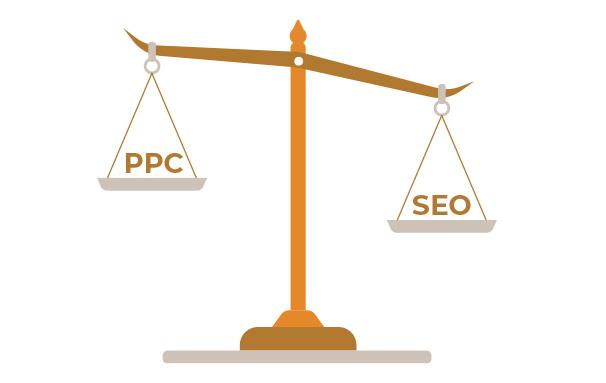
Balance PPC With Organic Search and SEO
While PPC delivers immediate visibility, organic search and search engine optimization provide long term growth. The best dental marketing strategies combine both.
Organic search supports PPC by:
Together, PPC marketing and SEO create a strong digital presence that dominates search engine results.
Common Mistakes Dental Practices Make With PPC Tracking
Some of the most common mistakes include:
-
Not tracking phone calls
-
Ignoring negative keywords
-
Focusing only on clicks
-
Not tying performance to patient acquisition
-
Failing to track return on investment
Avoiding these mistakes can dramatically improve PPC performance and maximize ROI.
Why Partnering With Experts Makes a Difference
Dental PPC is complex. Between Google Ads, tracking numbers, ad extensions, keyword research, and analytics, it is easy for things to slip through the cracks.
Working with the best dental marketing company means your PPC campaigns are tracked, analyzed, and optimized with one goal in mind. New patient acquisition and sustainable practice growth.
At Firegang Dental Marketing, we help dental practices turn paid ads into predictable patient appointments using proven tracking systems and data driven strategies.
Ready to See What Your PPC Is Really Doing?
If you are running PPC ads and not sure how many patients they are actually generating, it is time to get clarity.
Schedule a complimentary practice growth call with our team at Firegang Dental Marketing. We will walk through your current dental PPC campaigns, analyze your tracking setup, and show you exactly where opportunities exist to improve conversion rates, maximize ROI, and grow your practice with confidence.
Your marketing budget deserves accountability. Let us help you turn your PPC performance into real results.