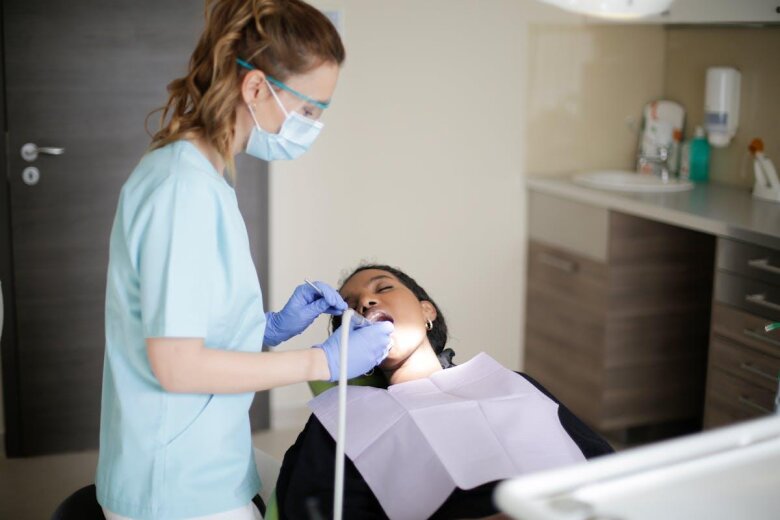
When Sarah finally decided to replace her missing molars after years of avoiding the dentist, she had one burning question: "How long will these implants actually last?" Her concern reflects a reality facing millions of Americans—according to the American Academy of Implant Dentistry, over 35 million people are missing all their teeth in one or both jaws, and implant technology has become the gold standard for tooth replacement.
The stakes are significant. While dental implants represent a substantial investment, often ranging from $3,000 to $6,000 per tooth, their longevity can make them remarkably cost-effective compared to alternatives that require frequent replacement or adjustment. More importantly, the choice between implants and other solutions affects not just your wallet, but your bone health, eating ability, and quality of life for decades to come. Learning more about options for the best dental implants in Las Vegas can help patients make informed decisions about long-term tooth replacement and overall oral health.
Recent advances in implant materials and surgical techniques have pushed success rates above 95% for most patients, but longevity depends on factors many people never consider—from the healing process in those crucial first months to the daily habits that either preserve or compromise your investment. Understanding these factors isn't just academic; it's the difference between implants that last 15 years versus those that serve you well into your 90s.
Here's what current research and clinical experience reveal about implant durability, and why the question isn't just "how long do they last," but "what can you do to maximize their lifespan?"
What Are Dental Implants and How Do They Function?
Dental implants represent a fundamental shift from traditional tooth replacement approaches—instead of simply sitting on top of your gums or attaching to neighboring teeth, they actually replace the tooth root itself. The implant consists of a titanium or zirconia post that's surgically placed into the jawbone, topped with an abutment and crown that recreate the visible portion of your tooth.
The real innovation lies in what happens beneath the surface. Through a process called osseointegration, the implant post literally fuses with your jawbone over several months. Your bone cells grow around and into the implant surface, creating a mechanical bond that can actually become stronger than the connection between a natural tooth and bone. This biological integration explains why properly placed implants can last decades—they become part of your skeletal structure rather than foreign objects your body tolerates.
This integration process also explains why implants preserve facial structure in ways that dentures simply can't. When you lose a tooth, the surrounding jawbone begins to deteriorate because it's no longer receiving the mechanical stimulation that comes from chewing. Implants restore this stimulation, maintaining bone density and preventing the sunken facial appearance that often develops with long-term tooth loss.
The functionality extends beyond just replacing what you've lost. Modern implants can handle bite forces of 200-250 pounds per square inch—comparable to natural teeth and far exceeding what dentures or bridges can withstand. This means you can eat corn on the cob, bite into apples, and chew tough meats without the restrictions that come with removable appliances.
Understanding this foundational biology sets the stage for why healing and maintenance matter so much. The implant's long-term success depends entirely on maintaining this bone integration, which brings us to the critical early months after surgery.
How Does the Dental Implant Healing Process Influence Longevity?
The first 3-6 months after implant placement determine whether your investment will last 15 years or 50 years. During this critical window, osseointegration either succeeds completely or fails in ways that may not become apparent until years later. The healing process unfolds in predictable stages, each with specific requirements that directly impact long-term durability.
Initial integration begins within hours of surgery. Your body's natural healing response floods the implant site with growth factors and specialized cells that begin laying down new bone matrix around the implant threads. For the first two weeks, this process is fragile—excessive pressure from chewing or smoking can disrupt the delicate cellular scaffolding that will eventually become solid bone integration.
The primary stability phase extends from weeks 2-8, when the implant achieves its initial mechanical lock with existing bone. During this period, the implant relies on the friction and compression created during surgical placement. Any loosening during this phase usually indicates eventual failure, which is why most oral surgeons recommend soft foods and careful oral hygiene during these crucial weeks.
Secondary stability develops between months 2-6, as new bone formation replaces the initial mechanical hold with biological integration. Research from the International Journal of Oral and Maxillofacial Surgery shows that implants achieving proper secondary stability have a 98% twenty-year survival rate, compared to just 85% for those with compromised integration during this phase.
Several factors during healing can make or break long-term success. Smoking dramatically impairs healing—nicotine restricts blood flow to the surgical site, reducing the oxygen and nutrients needed for bone formation. Studies consistently show that smokers experience 2-3 times higher implant failure rates, with effects that can manifest years after the initial surgery appears successful.
Infection during healing creates another critical vulnerability. Bacteria can colonize the implant surface before osseointegration completes, leading to a condition called peri-implantitis that may not cause symptoms until the bone integration has been severely compromised. This explains why meticulous oral hygiene during the healing phase isn't just about comfort—it's about preserving your long-term investment.
The quality of healing during these first months essentially sets the "baseline" for your implant's lifespan, influencing how well it will resist future challenges from bacteria, mechanical stress, and age-related changes in bone density.
What Types of Dental Implants Affect Their Lifespan?
Not all dental implants are created equal, and the type you receive significantly influences both immediate success rates and long-term durability. Understanding these differences helps explain why some patients enjoy trouble-free implants for decades while others face complications or premature failure.
Traditional titanium implants remain the gold standard for most situations, with clinical data spanning over 40 years. Titanium's biocompatibility allows for exceptional osseointegration, and its strength-to-weight ratio handles normal chewing forces indefinitely. These implants typically measure 3.5-5mm in diameter and 8-15mm in length, providing substantial surface area for bone integration. When properly placed in adequate bone, titanium implants routinely last 25-30 years, with many cases exceeding 40 years of function.
Mini dental implants offer solutions for patients with insufficient bone width for traditional implants, but this convenience comes with durability trade-offs. At 1.8-3.3mm in diameter, mini implants provide less surface area for osseointegration and can't withstand the same mechanical forces as full-size implants. While they're excellent for securing lower dentures or replacing smaller teeth, they typically have shorter lifespans—often 15-20 years compared to 25-30 for traditional implants.
All-on-4 implants represent a strategic approach rather than a different implant type, using four strategically angled implants to support a full arch of teeth. The angled placement allows the implants to engage more bone, but the system's longevity depends heavily on maintaining all four implants. If one fails, the entire prosthesis may require replacement. Success rates are excellent when performed correctly, but the complexity means that long-term outcomes vary more than with individual implant placements.
Zirconia implants have emerged as a ceramic alternative for patients with titanium allergies or aesthetic concerns in the front of the mouth. Zirconia's white color eliminates the gray line that can sometimes show through thin gums around titanium implants. However, zirconia is more brittle than titanium and more prone to fracture under excessive force. Long-term data is still accumulating, but current studies suggest similar longevity to titanium when used appropriately
The implant surface treatment also affects durability. Smooth surfaces, common in early implants, provided less bone contact than modern textured or chemically treated surfaces. Today's implants feature surface modifications that increase bone-to-implant contact by up to 70%, explaining why newer implants often outperform those placed 15-20 years ago.
Your oral surgeon's choice of implant type should consider your bone quality, bite forces, aesthetic requirements, and long-term maintenance commitment. The "best" implant isn't necessarily the most expensive or newest technology—it's the one that matches your specific situation and provides the optimal balance of immediate success and long-term durability.
How Do Dental Implants Compare to Dentures and Bridgework Over Time?
The longevity comparison between implants and traditional alternatives reveals why implants have become the preferred solution despite their higher upfront cost. While dentures might seem more economical initially, the long-term picture tells a different story that affects both your finances and oral health.
Traditional dentures typically require replacement every 5-8 years as your jawbone changes shape and the appliance wears down. Even with careful maintenance, the acrylic teeth wear down from chewing, and the plastic base develops stress fractures that compromise fit and function. More problematically, dentures don't prevent bone loss—they may actually accelerate it by concentrating chewing forces on soft tissues rather than stimulating the underlying bone.
A patient wearing dentures for 20 years might go through 3-4 sets, with costs accumulating to $8,000-$15,000, plus ongoing expenses for adhesives, relines, and adjustments. The functional limitations also compound over time, as bone loss reduces denture stability and chewing efficiency. Many long-term denture wearers find themselves restricted to softer foods, affecting nutrition and social eating situations.
Fixed bridges offer better function than dentures but create their own longevity challenges. The average bridge lasts 10-15 years before requiring replacement, and the process inevitably damages the supporting teeth. When you crown healthy adjacent teeth to support a bridge, you increase their risk of future problems including decay, fractures, and nerve damage. Studies show that 15-20% of crowned teeth eventually require root canal treatment, creating cascade failures that can affect multiple teeth over time.
Additionally, bridges don't address bone loss in the area of the missing tooth. The bone beneath the bridge continues to deteriorate, potentially creating aesthetic problems as the bridge appears to "grow longer" over time. This bone loss can also complicate future implant placement if the bridge eventually fails.
Implant-supported solutions break this cycle of deterioration and replacement. Individual implants preserve bone, don't require alteration of healthy adjacent teeth, and typically last 25-30 years or longer. Even implant-supported overdentures—where implants snap-lock a denture in place—provide superior stability and bone preservation compared to traditional dentures.
The total cost analysis often favors implants over 20-30 years. While a single implant might cost $4,000-$6,000 initially, it avoids the repeated replacement costs and complications associated with other options. More importantly, implants maintain or improve your ability to eat a varied diet, speak clearly, and smile confidently—quality-of-life factors that are difficult to quantify but profoundly important.
From a clinical perspective, implants also simplify your oral care routine. Unlike bridges that require special flossing techniques or dentures that need nightly removal and cleaning, implants are cared for just like natural teeth. This simplicity often leads to better long-term maintenance and fewer complications.
What Are the Long-Term Effects of Dental Implants on Oral Health?
Beyond simply replacing missing teeth, dental implants create positive cascading effects throughout your oral health system that can actually improve your long-term prognosis compared to having natural teeth in the same positions. Understanding these systemic benefits helps explain why many dental professionals consider implants superior to even healthy natural teeth in certain situations.
Bone preservation represents the most significant long-term benefit. Natural teeth transmit chewing forces through their roots directly into the jawbone, providing the mechanical stimulation that maintains bone density. When you lose a tooth, that section of bone receives no stimulation and begins resorbing—losing volume at a rate of 25% in the first year and continuing to deteriorate throughout life.
Implants restore this mechanical loading, actually stimulating bone formation around the implant site. Research from the Journal of Periodontology shows that patients with implants maintain 95-98% of their original bone volume in the implant area, compared to 40-60% bone loss in extraction sites left untreated for five years. This preservation affects facial support, preventing the sunken appearance that ages patients prematurely.
Gum health often improves around properly maintained implants compared to natural teeth. The implant surface is non-porous and doesn't harbor bacteria the way natural tooth roots can. While implants can develop peri-implantitis if neglected, they're immune to traditional tooth decay and don't develop the complex root surface irregularities that can trap bacteria as natural teeth age.
However, implants do create unique long-term considerations. Peri-implantitis becomes the primary concern, developing when bacteria colonize the implant surface and trigger bone loss around the implant. Unlike periodontal disease around teeth, peri-implantitis can progress rapidly and may not cause obvious symptoms until significant bone loss has occurred.
The key difference lies in blood supply. Natural teeth have robust blood circulation through the periodontal ligament, helping fight infections and repair damage. Implants lack this biological defense system, making them more vulnerable to aggressive bacterial infections but less susceptible to the slow, chronic infections common around natural teeth.
Bite dynamics can also shift over time. Natural teeth have microscopic movement that allows them to adapt to changing bite forces throughout life. Implants are rigidly fixed in bone and don't accommodate these changes. This rigidity can be beneficial—implants don't shift or drift like natural teeth—but may require periodic bite adjustments as your remaining natural teeth change position.
Long-term studies consistently show that implant patients report higher satisfaction and better quality of life compared to those with traditional prosthetics. The psychological benefits of fixed, stable teeth affect eating habits, social interactions, and self-confidence in ways that can positively impact overall health and longevity.
Most importantly, implants don't compromise adjacent teeth. Unlike bridges that require crowning healthy teeth or partial dentures that place stress on supporting teeth, implants are independent units that can't cause problems for your remaining natural teeth. This isolation means that if an implant does eventually fail, it typically doesn't create cascade failures affecting multiple teeth.
How Can Proper Maintenance Extend Dental Implant Life?
The daily habits you establish around implant care determine whether your investment lasts 15 years or 50 years. While implants can't decay like natural teeth, they face unique vulnerabilities that require specific maintenance approaches to prevent complications that can dramatically shorten their lifespan.
Home oral hygiene for implants demands more attention to detail than natural tooth care. Bacteria can colonize implant surfaces and form biofilms that are harder to remove than typical dental plaque. These bacterial colonies produce toxins that trigger peri-implantitis—an inflammatory condition that destroys the bone supporting the implant. Unlike gingivitis around teeth, which develops slowly and often reverses with improved care, peri-implantitis can progress rapidly once established.
The most effective home care routine includes brushing with a soft-bristled toothbrush using small circular motions around the implant crown. Many patients benefit from electric toothbrushes, which provide consistent gentle pressure and often achieve better plaque removal than manual brushing. Water flossers have proven particularly valuable for implant maintenance, as the pulsating water stream can reach areas around the implant that traditional floss might miss.
Professional maintenance requires more frequent attention than natural teeth. Most oral health professionals recommend cleanings every 3-4 months for implant patients, compared to the standard six-month interval for natural teeth. These appointments involve specialized instruments designed for titanium surfaces—traditional metal scalers can scratch implant surfaces and create retention sites for bacteria.
Lifestyle factors significantly impact implant longevity. Smoking remains the single greatest risk factor for implant failure, reducing success rates by 15-20% and accelerating bone loss around existing implants. The chemicals in tobacco smoke impair blood circulation and immune response, making it harder for your body to fight bacterial infections around the implant.
Grinding and clenching create mechanical stress that can loosen implant components or fracture the crown. Many implant patients benefit from wearing a nightguard, especially if they show signs of bruxism. The rigid connection between implant and bone means that excessive forces have nowhere to dissipate, unlike natural teeth that have slight mobility to absorb shock.
Systemic health conditions require special attention in implant patients. Diabetes, osteoporosis, and autoimmune conditions can affect bone metabolism and healing around implants. Patients with these conditions often need more frequent monitoring and may benefit from additional interventions like prescription mouth rinses or antibiotic prophylaxis before dental procedures.
Warning signs that require immediate professional attention include bleeding around the implant, persistent bad taste, loose crowns, or changes in bite alignment. Early intervention can often prevent minor problems from becoming major complications requiring implant replacement.
Regular radiographic monitoring—typically annual X-rays—allows early detection of bone loss around implants before symptoms develop. This monitoring is particularly important because peri-implantitis often progresses silently, with patients unaware of problems until significant damage has occurred.
The investment in proper maintenance typically costs $300-600 annually but can extend implant life by decades. Patients who maintain excellent oral hygiene and keep regular professional appointments routinely achieve 30-40 year implant lifespans, while those with poor maintenance may face complications within 10-15 years.
What Does Research Reveal About Dental Implant Longevity?
Current research paints an increasingly optimistic picture of implant longevity, with long-term studies now spanning over four decades and revealing survival patterns that exceed original projections. The data shows that properly placed and maintained implants can function for lifetime periods, fundamentally changing how dental professionals approach treatment planning for tooth replacement.
Longitudinal survival studies from European centers with 30+ year follow-up periods report implant survival rates of 85-90% at 30 years, with many individual implants functioning beyond 40 years. The landmark Brånemark studies, which pioneered modern implant dentistry, show that implants placed in the 1960s and 1970s are still functioning in some patients today. These success rates continue improving as surgical techniques, implant designs, and maintenance protocols evolve.
Recent meta-analyses published in the Journal of Dental Research analyzed over 50,000 implant cases and found 10-year survival rates consistently exceeding 95% when proper protocols are followed. More significantly, the research reveals that most implant "failures" occur within the first five years, often related to healing complications or inadequate bone integration. Implants that successfully integrate and survive their first five years show remarkable long-term stability.
Material science research continues advancing implant durability. Modern implant surfaces engineered at the molecular level promote faster, stronger bone integration than smooth surfaces used in early implants. Hydrophilic surface treatments increase initial bone contact by up to 70%, while nanotextured surfaces provide mechanical interlocking at the cellular level. These advances explain why implants placed today often outperform those from even 10-15 years ago.
Peri-implantitis research has identified key risk factors and prevention strategies that significantly impact longevity. Studies show that patients with a history of periodontal disease have 2-3 times higher rates of implant complications, but aggressive prevention protocols can reduce this risk to near-normal levels. The research emphasizes that biological complications, not mechanical failures, represent the primary threat to long-term implant success.
Computer-guided surgery and digital treatment planning have improved initial placement accuracy, which correlates strongly with long-term success. Studies demonstrate that precisely placed implants—positioned within 2mm of the planned location—show superior 10-year survival rates compared to freehand placement. This precision reduces mechanical stress on implant components and optimizes bone loading patterns.
Age and gender research reveals interesting patterns. While older patients often worry about implant longevity, studies show that healthy patients in their 70s and 80s achieve similar success rates to younger patients. Women show slightly higher success rates than men, possibly related to differences in healing responses and oral hygiene compliance. The research suggests that biological age matters more than chronological age for implant success.
Economic analyses consistently demonstrate implant cost-effectiveness over 15-20 year periods compared to conventional treatments requiring replacement. The Research Foundation of the Academy of Osseointegration calculated that despite higher initial costs, implants provide superior long-term value in 80% of clinical situations when quality of life factors are included in the analysis.
Emerging research focuses on enhancing implant surfaces with growth factors, stem cells, and bioactive coatings that could further extend lifespan and improve outcomes in challenging cases. Early clinical trials suggest these technologies may push success rates above 98% even in previously high-risk situations.
The collective research message is clear: modern dental implants, when properly selected, placed, and maintained, can reasonably be expected to last 25-30 years or more in most patients. For healthy individuals with good oral hygiene, lifetime function is increasingly achievable, making implants not just a tooth replacement option, but a long-term investment in oral health and quality of life.
As implant technology continues advancing and our understanding of long-term maintenance evolves, the question is shifting from "how long do implants last?" to "how can we ensure yours last a lifetime?" The research suggests that with current knowledge and technology, that goal is not only possible but increasingly probable for most patients.