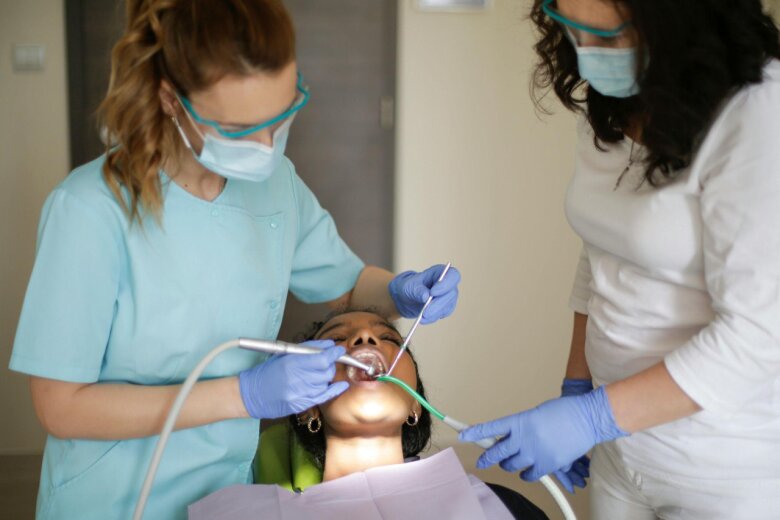
When you seek prosthodontic care at Pittsburgh Dental Specialists, you gain access to precise treatments tailored to restore both function and aesthetics. From dental implants and custom crowns to advanced digital impressions and implant-supported dentures, their services cover a broad spectrum of restorative needs. Understanding how these options integrate with your specific case can greatly impact your oral health outcomes. Let’s explore the detailed offerings that set their practice apart and what you can expect during your treatment journey.
Dental Implant Procedures
Dental implant procedures involve surgically placing titanium posts into the jawbone to serve as stable anchors for replacement teeth. You’ll first undergo a thorough evaluation to assess bone density and oral health, as these factors critically influence implant success. For patients seeking comprehensive solutions, consulting providers who offer specialized prosthodontic treatments in Pittsburgh can help ensure all aspects of care—including bone grafting, implant placement, and post-procedure monitoring—are tailored to your unique needs. If your jawbone lacks sufficient volume or density, bone grafting may be necessary to create a robust foundation. This step enhances osseointegration, ensuring the implant fuses securely with the bone. The surgical process requires precision to position implants ideally for function and longevity. Postoperative monitoring is essential to detect any complications early and support healing. By adhering to these protocols, you greatly increase the likelihood of achieving durable, functional results from your dental implant procedure.
Custom Dental Crowns and Bridges
When you choose custom dental crowns and bridges, materials like porcelain, zirconia, and metal alloys are selected based on strength and aesthetics. The bridge placement involves precise measurements and fitting to guarantee ideal alignment and function. This custom fit enhances durability, comfort, and the overall restoration of your bite.
Materials Used for Crowns
Choosing the right material for your custom crown or bridge is essential to guarantee durability, aesthetics, and compatibility with your natural teeth. Prosthodontists typically use ceramic materials and metal alloys, each offering distinct advantages. Ceramic materials closely mimic the translucency and color of natural teeth, making them ideal for visible areas. They also exhibit excellent biocompatibility and resistance to staining. For many older adults considering restorative treatments, understanding coverage options such as dental insurance for seniors can be helpful in planning long-term oral care. Metal alloys, often composed of gold, palladium, or nickel-chromium, provide superior strength and longevity, especially in posterior restorations where biting forces are greater. Hybrid options, like porcelain-fused-to-metal, combine aesthetics with structural integrity.
Bridge Placement Process
Although the bridge placement process involves multiple detailed steps, understanding each phase can help you anticipate what to expect during your treatment. Initially, your dentist will prepare the abutment teeth by reshaping them to support the bridge securely. Next, precise impressions are taken to fabricate a bridge that guarantees ideal fit and function. A temporary bridge is placed to maintain patient comfort during the laboratory fabrication period. Once the custom bridge is ready, it’s carefully fitted and adjusted to achieve proper occlusion and aesthetics. Cementation follows, securing the bridge for enhanced bridge longevity. Post-placement instructions focus on oral hygiene to preserve your new bridge’s integrity. This structured process prioritizes both durability and patient comfort throughout treatment.
Benefits of Custom Fit
The precision involved in each step of the bridge placement process directly impacts the fit and function of your dental restorations. Opting for a custom fit guarantees your crowns and bridges conform exactly to your oral anatomy, providing several critical benefits. You’ll experience:
. Enhanced custom comfort by minimizing pressure points and irritation
.Improved aesthetics through tailored shading and contouring to match your natural teeth
.Better occlusal alignment, reducing wear on opposing teeth
. Increased longevity of restorations owing to precise adaptation and material integrity
. Reduced risk of bacterial infiltration and subsequent decay at margins
Full and Partial Denture Solutions
When considering full and partial denture solutions, you’ll encounter various types designed to restore your oral function and aesthetics. The custom fit process involves detailed impressions and adjustments to guarantee ideal comfort and retention. Understanding these options helps you make informed decisions about your prosthodontic care.
Types of Dentures
Since tooth loss can vary in extent and location, denture options are designed to address specific needs through full or partial solutions. When you consider prosthodontic care, understanding the types of dentures is essential. Complete dentures replace all teeth in an arch, while removable dentures can be full or partial, allowing flexibility in restoration. Here’s what you should know:
.Complete dentures restore function and aesthetics for total tooth loss.
.Partial dentures fill gaps, preventing tooth shifting.
.Removable dentures offer ease of cleaning and maintenance.
.Materials include acrylic, metal frameworks, and flexible polymers.
. Stability and retention depend on precise fit and oral anatomy.
Custom Fit Process
Although denture options vary, achieving a custom fit is critical for both full and partial solutions to guarantee ideal function and comfort. The custom fitting process begins with detailed impressions of your oral structures, capturing precise contours essential for personalized prosthetics. Next, bite registrations and jaw relation records are obtained to confirm proper occlusion and alignment. These data guide the fabrication of trial dentures, allowing adjustments for fit, aesthetics, and phonetics before final processing. Throughout, your input refines the prosthesis, ensuring best retention and stability. Custom fitting reduces discomfort and enhances masticatory efficiency, preventing tissue irritation and bone resorption. By adhering to this meticulous protocol, Pittsburgh dental specialists deliver personalized prosthetics that restore oral function seamlessly, supporting your long-term oral health and confidence in both full and partial denture solutions.
Smile Makeover and Cosmetic Prosthodontics
If you’re seeking to enhance your dental aesthetics, smile makeover and cosmetic prosthodontics offer targeted solutions that address both function and appearance. This specialized field integrates advanced smile enhancement techniques aligned with current cosmetic dentistry trends to restore and improve your smile’s harmony and symmetry. Your prosthodontist will evaluate tooth alignment, color, and shape, tailoring treatments to your unique needs. Common procedures include:
.Porcelain veneers for surface imperfections
. Teeth whitening to brighten discoloration
.Dental crowns restoring damaged teeth
.Composite bonding for minor reshaping
. Gum contouring to refine the gum line
These interventions not only elevate your smile’s visual appeal but also reinforce oral function, ensuring durability and patient satisfaction within Pittsburgh’s leading dental practices.
Implant-Supported Dentures
If you’re considering implant-supported dentures, you’ll benefit from improved stability and bone preservation compared to traditional dentures. The procedure involves surgically placing implants into the jawbone, which then securely anchor your dentures. Proper maintenance, including routine cleaning and professional check-ups, is essential to guarantee long-term success and oral health.
Benefits of Implant Dentures
When you choose implant dentures, you gain a stable and secure solution that markedly improves chewing efficiency compared to traditional dentures. This option offers significant longevity benefits, often lasting many years with proper care, which can offset initial cost considerations. Implant dentures also help maintain jawbone density, preventing the bone loss commonly seen with conventional dentures.
Key benefits include: - Enhanced stability and retention, reducing slippage during function - Improved bite force for better food breakdown - Preservation of facial structure by stimulating bone - Reduced need for denture adhesives - Increased comfort and confidence in daily activities
These advantages make implant dentures a superior choice for long-term oral rehabilitation, balancing upfront investment with durable, functional outcomes.
Procedure Overview
Choosing implant-supported dentures sets the stage for a surgical and restorative process designed to securely anchor your dentures to titanium implants embedded in the jawbone. Initially, precise imaging and planning determine ideal implant placement, ensuring biomechanical stability. During surgery, implants are inserted into the jawbone, where osseointegration occurs over several months, creating a durable foundation. Once integration is confirmed, prosthodontic techniques are employed to design and attach the denture framework. This framework connects firmly to the implants, providing enhanced retention and function compared to traditional dentures. Throughout the procedure, your specialist prioritizes patient comfort by using advanced anesthesia and minimally invasive methods. The result is a stable, functional prosthesis tailored for your oral anatomy, improving chewing efficiency and speech while minimizing discomfort and adjustment time.
Maintenance and Care
Proper maintenance and care of implant-supported dentures are essential to guarantee their longevity and peak function. To maximize your prosthesis longevity, you need to adhere to strict oral hygiene and regular professional evaluations. Neglecting these can lead to complications such as peri-implantitis or mechanical failure.
Key maintenance steps include:
. Brush dentures and implants twice daily with a soft-bristle brush
. Use interdental brushes or floss to clean around implant abutments
.Rinse with an antimicrobial mouthwash to reduce bacterial load
.Schedule biannual professional cleanings and check-ups
.Avoid hard or sticky foods that may damage the prosthesis
Maxillofacial Prosthetics
Although maxillofacial prosthetics is a specialized branch of prosthodontics, it plays an essential role in restoring both function and appearance for patients with defects or disabilities affecting the head, neck, and facial regions. When you undergo treatment, maxillofacial prosthodontists create customized prostheses to address challenges posed by trauma, surgical resection, or congenital defects. These prosthetics aid in facial reconstruction by replacing missing anatomical structures such as the nose, ears, or orbital areas. This not only improves your aesthetic appearance but also restores critical functions like speech, mastication, and respiration. Specialists employ advanced materials and precise fabrication techniques to guarantee comfort, durability, and biocompatibility. By working closely with surgeons and other healthcare professionals, they tailor interventions that enhance your quality of life through effective rehabilitation and seamless integration with remaining facial tissues.
Digital Impressions and 3D Imaging
Digital impressions and 3D imaging have revolutionized prosthodontic diagnostics and treatment planning by providing highly accurate, detailed representations of your oral structures. Using advanced digital technology, these methods enhance imaging accuracy, reducing errors common with traditional impressions. You’ll benefit from a more comfortable experience and faster procedures. Key advantages include:
.Rapid capture of precise digital impressions
.Enhanced spatial visualization of dental anatomy
. Improved communication between you and your specialist
. Streamlined fabrication of prosthetics with CAD/CAM integration
.Reduced need for physical molds, minimizing patient discomfort
This integration of digital technology guarantees that your prosthodontic care is both efficient and meticulously tailored to your unique oral conditions, setting a new standard in dental restoration accuracy and patient-centered service.
Treatment Planning and Consultation
Building on the detailed insights gained from digital impressions and 3D imaging, treatment planning and consultation focus on developing a customized approach tailored specifically to your oral health needs. During patient assessment, the prosthodontist evaluates your dental anatomy, occlusion, and overall oral function to identify any complexities. This thorough evaluation informs the selection of appropriate treatment options, ranging from crowns and bridges to implants and dentures. You’ll discuss these options in detail, including benefits, risks, timelines, and costs, guaranteeing informed consent. The collaborative consultation also allows for addressing your aesthetic preferences and functional goals. Ultimately, this precise planning phase guarantees that your prosthodontic treatment is optimized for durability, comfort, and long-term oral health outcomes.
Maintenance and Repair Services
Regular maintenance and timely repairs are essential to guarantee the longevity and functionality of your prosthodontic appliances. Pittsburgh dental specialists use advanced repair techniques to address fractures, loose components, and wear-related issues. Following specific maintenance tips can prevent complications and extend appliance lifespan. Key recommendations include:
.Regular professional inspections to detect early signs of damage
.Gentle daily cleaning with non-abrasive materials
. Avoiding excessive force or hard foods that might stress the appliance
.Promptly addressing discomfort or fit issues
. Using protective devices during physical activities to prevent trauma
Patient Education and Aftercare Guidance
Although prosthodontic appliances are designed for durability, your active participation in patient education and aftercare is essential to secure ideal results. Pittsburgh dental specialists provide extensive patient resources to help you understand the proper care techniques and potential complications. These resources include detailed post treatment instructions tailored to your specific appliance, outlining cleaning protocols, dietary recommendations, and signs of wear or damage to monitor. By adhering strictly to these guidelines, you reduce the risk of appliance failure and enhance longevity. Additionally, specialists encourage routine follow-up visits to assess appliance condition and address any concerns early. Your informed engagement, supported by these patient resources and clear post treatment instructions, guarantees peak function and comfort of your prosthodontic devices over time.
Frequently Asked Questions
Do You Accept Dental Insurance for Prosthodontic Treatments?
Yes, you can use dental insurance for prosthodontic treatments, but coverage depends on your plan. You’ll need to verify treatment eligibility with your insurer to confirm which procedures are covered and any out-of-pocket costs you might incur.
What Financing Options Are Available for Prosthodontic Procedures?
You can explore flexible payment plans tailored to manage treatment costs efficiently. These options help distribute expenses over time, making prosthodontic procedures more affordable without compromising the quality or timeliness of your care.
How Long Does the Typical Prosthodontic Treatment Take?
The typical treatment duration varies from weeks to months, depending on complexity. You should set patient expectations accordingly, as multiple appointments and healing phases are often required to achieve ideal prosthodontic outcomes.
Are Your Prosthodontic Specialists Board-Certified?
Yes, our prosthodontic specialists meet rigorous certification requirements, ensuring they possess advanced specialist qualifications. You can trust their expertise, as they’ve completed extensive training and passed board exams verifying their proficiency in prosthodontic care.
What Are the COVID-19 Safety Protocols in Your Office?
You’ll find our safety measures include mandatory masks, temperature checks, and enhanced sanitation. Patient protocols involve pre-appointment screenings and social distancing in waiting areas, ensuring your health is prioritized throughout every visit.