In my clinical practice, one of the most frequent concerns I encounter is dental crowding. Patients often present not only with aesthetic dissatisfaction but also with functional issues such as difficulty in maintaining oral hygiene, plaque accumulation, and early gingival inflammation.
Over time, I’ve noticed that while patients are increasingly aware of modern orthodontic options, many still require a treatment approach that is reliable, controlled, and clinically predictable.
My Approach to Treating Crowded Teeth
When evaluating a case of crowded teeth, my primary focus is always on the severity of misalignment, available space in the arch, and overall occlusion. While mild cases may be managed with removable options, moderate to severe crowding often requires a more controlled and fixed approach.
In such cases, I frequently recommend metal braces because they allow continuous force application without relying on patient compliance. This becomes especially important in patients who may not consistently follow instructions with removable appliances.
Discussions around such treatment decisions and case-based experiences are commonly shared within professional communities like Dentaltown, where clinicians exchange practical insights.
Clinical Effectiveness of Metal Braces
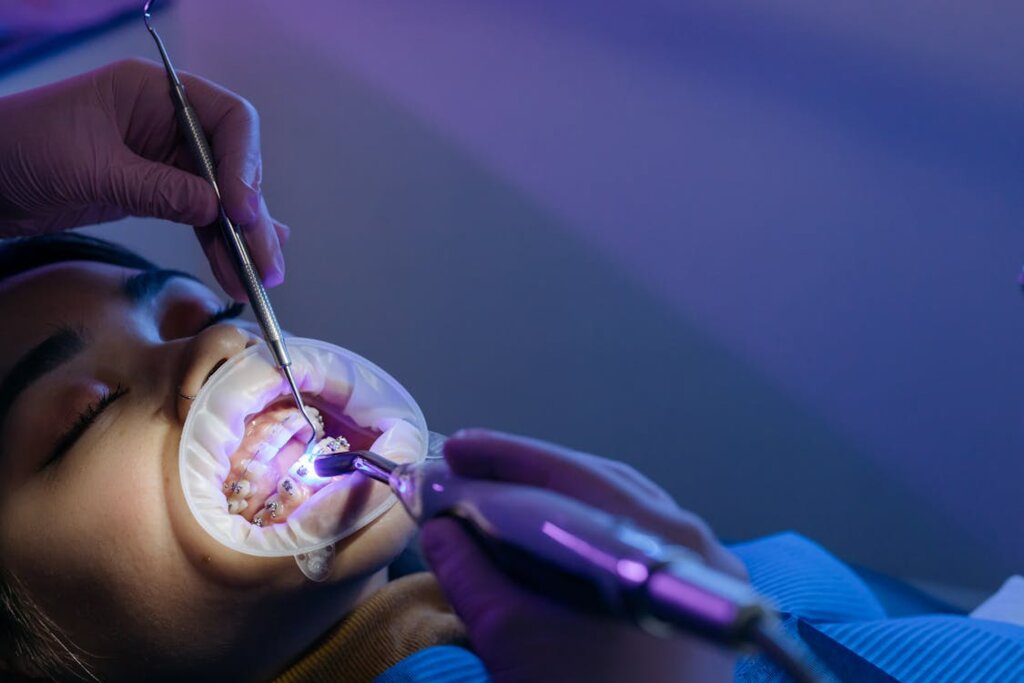
From a clinical perspective, metal braces provide a level of control that is difficult to achieve with other systems. By bonding brackets and using archwires, I can guide tooth movement in a precise and sequential manner.
During follow-up visits, adjustments are made to maintain optimal force levels, which stimulate bone remodeling and allow safe tooth movement. This controlled biomechanical process is essential for managing rotations, overlapping teeth, and complex alignment issues.
What I’ve Observed in Practice
In my experience, patients with moderate to severe crowding tend to show more consistent and predictable improvement with metal braces compared to aligners. One of the main reasons is that fixed appliances work continuously, regardless of patient habits.
I have also observed that cases requiring significant rotation or space management respond better to metal braces, where detailed control is necessary. Clinical discussions on such outcomes are frequently highlighted on Dentaltown, reinforcing similar experiences among practitioners.
Comparison with Other Orthodontic Options
While clear aligners are often preferred for their aesthetic appeal, they require strict compliance and are more suitable for mild to moderate cases. Inconsistent wear is one of the most common reasons for delayed or compromised results.
Ceramic braces offer a more aesthetic alternative to metal braces but tend to be less durable. In long treatments, bracket fragility can become a concern.
Based on my clinical experience, treatment selection should always be guided by case complexity rather than patient preference alone. These considerations are also widely discussed within platforms like Dentaltown.
Why Metal Braces Are a Trusted Solution for Crowded Teeth
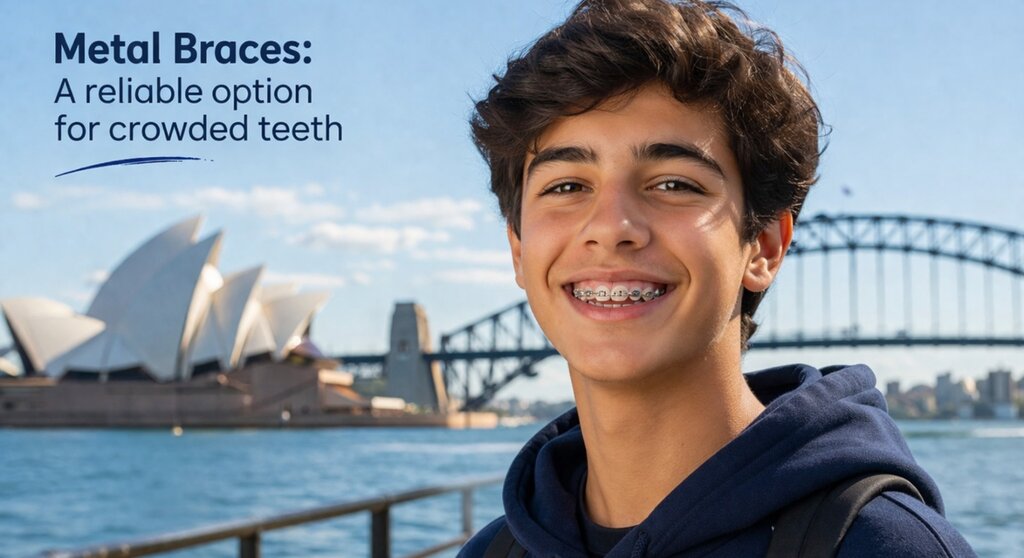
Metal braces in Sydney are a trusted and effective solution for correcting crowded teeth. Their strength and precision allow orthodontists to handle even complex alignment issues with greater control, making them a reliable choice for achieving a straighter smile.
With a strong track record of success, metal braces use steady, gentle pressure to gradually move teeth into the correct position over time. Understanding how they work can help you feel more confident and comfortable when choosing this treatment option.
The Science Behind Metal Braces' Effectiveness
Metal braces function by applying continuous pressure to shift teeth into proper alignment. Stainless steel brackets are attached to each tooth and connected with an archwire, which guides the movement of teeth over time.
Your orthodontist adjusts the archwire at regular intervals to maintain the right amount of pressure. This process stimulates bone remodeling, allowing teeth to move safely and gradually.
This precise system gives orthodontists full control to rotate teeth, close gaps, and align crowded areas, ensuring predictable and long-lasting results.
Treatment Workflow in My Practice
The treatment process begins with a detailed clinical examination, including radiographs and diagnostic records. Based on these findings, I develop a personalized treatment plan tailored to the patient’s condition.
Once treatment begins, brackets are bonded, and archwires are placed to initiate tooth movement. Patients are reviewed periodically for adjustments, ensuring steady and controlled progress throughout the treatment phase.
Importance of Retention
One of the most critical phases of orthodontic treatment is retention. I always emphasize to my patients that achieving alignment is only part of the process—maintaining it is equally important.
Without proper use of retainers, there is a high risk of relapse. Patients who adhere to retention protocols generally maintain their results long-term, while non-compliance often leads to shifting of teeth.
Cost and Accessibility in Clinical Settings
Another factor I frequently discuss with patients is cost. In comparison to other orthodontic options, metal braces are generally more affordable and accessible.
Many practices offer flexible payment options, making it easier for patients to proceed with treatment without financial burden. This accessibility plays a key role in treatment acceptance, especially in younger patients or those with long-term orthodontic needs.
Conclusion
Based on my clinical experience, metal braces remain one of the most reliable and effective solutions for managing crowded teeth. Their ability to provide controlled, continuous, and precise tooth movement makes them a preferred choice in complex cases.
While newer technologies continue to evolve, metal braces still hold a strong position in everyday dental practice, particularly when treatment efficiency and long-term stability are the primary goals.
Ongoing professional learning and shared clinical experiences through platforms like Dentaltown further support evidence-based decision-making in such cases.
About the Author
Dr. Jaweria Ahmad, BDS, is a practicing dentist with a strong interest in clinical dentistry, patient education, and long-term treatment outcomes. She routinely manages patients with alignment issues, oral health concerns, and aesthetic complaints, focusing on practical and evidence-based care in everyday practice.