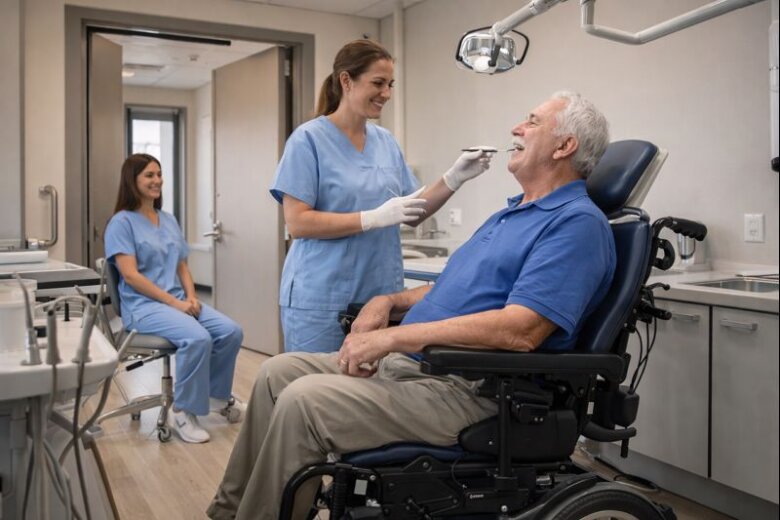
Modern dental practices are evolving to meet the needs of a wider and more diverse patient population. Beyond clinical expertise and advanced technology, patient comfort and accessibility have become essential components of quality dental care. As clinics serve elderly patients, individuals with disabilities and those with limited mobility, accessibility is no longer optional but a core part of responsible practice management.
Dental professionals are increasingly aware that a patient’s experience begins before they sit in the dental chair. Entry access, waiting areas and treatment rooms all influence comfort and confidence. When these elements are designed thoughtfully, patients feel respected and supported, which can improve cooperation during treatment and overall satisfaction.
Understanding Mobility Challenges in Dental Settings
Many dental patients face mobility challenges that affect how they access care. These challenges may stem from age related conditions, injury, chronic illness or temporary physical limitations. For such patients, visiting a dental clinic can be stressful if the environment is not accommodating.
Some patients arrive at appointments using an Electric Wheelchair, which requires sufficient space, smooth pathways and thoughtful room layout. Clinics that consider these factors reduce physical strain on patients and staff while creating a more inclusive environment. Proper planning also minimizes delays and discomfort during patient transfer or positioning.
Designing Clinics With Accessibility in Mind
Accessible design does not require complete renovation in every case. Small adjustments can make a significant difference. Clear entryways, adjustable dental chairs and flexible room layouts allow clinics to adapt to individual patient needs without disrupting workflow.
Reception and waiting areas should also support accessibility. Adequate turning space, stable seating options and clear signage contribute to a calmer and more welcoming experience. When patients feel at ease upon arrival, it sets a positive tone for the entire visit.
Enhancing Patient Comfort During Treatment
Comfort during dental procedures is especially important for patients with mobility limitations. Long appointments can be physically demanding, making proper support essential. Attention to posture, positioning and stability helps patients remain comfortable and relaxed.
In some cases, Wheelchair Accessories such as supportive cushions or adjustable arm supports can assist patients who remain seated during certain procedures or while waiting. These additions are not about equipment promotion but about understanding how comfort tools can enhance the patient experience and reduce physical stress.
Staff Awareness and Training
Accessibility is not only about physical design. Staff awareness plays a major role in delivering inclusive dental care. Team members should be trained to communicate clearly, offer assistance respectfully and understand basic mobility considerations.
Simple actions such as allowing extra time for appointments or explaining procedures patiently can significantly improve the experience for patients with special needs. When staff feel confident and prepared, interactions become smoother and more compassionate.
Building Trust Through Inclusive Care
Patients who face mobility challenges often worry about whether a clinic can accommodate them comfortably. When a dental practice demonstrates preparedness and sensitivity, it builds trust. This trust encourages patients to maintain regular dental visits rather than delaying care due to discomfort or anxiety.
Inclusive care also strengthens a clinic’s reputation within the community. Patients are more likely to recommend practices that treat all individuals with dignity and understanding.
The Role of Technology and Adaptability
Technology has contributed positively to accessibility in dental care. Adjustable equipment, digital records, and flexible scheduling systems allow clinics to adapt services based on individual patient needs. In some cases, appropriate Wheelchair Accessories can further support patient comfort and positioning, particularly for individuals with mobility limitations during longer visits.
Adaptability should remain an ongoing goal. As patient demographics change, clinics that regularly assess accessibility practices stay ahead of challenges and continue to provide high quality care.
Creating a Patient Centered Practice
At its core, accessibility reflects a patient centered approach to dentistry. Clinics that prioritize comfort and inclusion demonstrate commitment to comprehensive care, not just treatment outcomes. This mindset aligns with modern expectations of healthcare professionalism.
By recognizing the needs of patients with mobility challenges and responding thoughtfully, dental practices create environments where everyone feels welcome. Accessibility is not an extra feature but a reflection of quality care and ethical responsibility.
Conclusion
As dentistry continues to evolve, accessibility will remain a key consideration for successful practices. Clinics that invest time in understanding patient needs and making practical adjustments will benefit from stronger relationships, improved patient loyalty and smoother daily operations.
Providing accessible dental care is not about complexity. It is about awareness, planning and compassion. When these elements come together, dental clinics become places where all patients can receive care with comfort, confidence and respect.