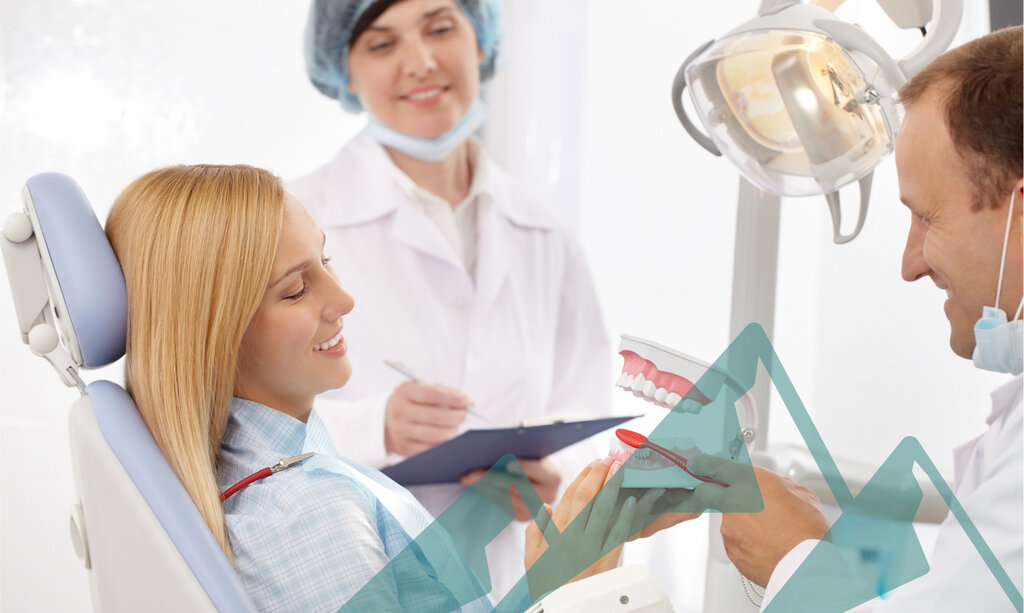
There is a common belief that losing teeth is simply part of getting older, an inevitable fact of aging. It is not. With consistent preventive care, most people can keep their natural teeth for a lifetime. The key is a mindset shift, from treating problems after they appear to preventing them in the first place. Preventive dentistry is quiet and unglamorous, but it is the single most powerful thing you can do for your long-term dental health.
The foundation is built at home
Prevention starts with daily habits that are simple but easy to short-change. Brushing twice a day for a full two minutes with fluoride toothpaste removes the plaque that causes cavities and gum disease. Cleaning between the teeth once a day reaches the surfaces a brush cannot and protects the gums, where much of the most serious trouble begins. These two habits, done consistently, prevent the majority of dental problems before they ever start.
Diet supports the effort. Limiting sugary and acidic foods and drinks, especially between meals, reduces the acid attacks that wear at enamel, and drinking water helps rinse the mouth and strengthen teeth. None of this is complicated, but its power lies in doing it day after day, year after year.
Professional care catches what you cannot
Home care is essential, but it has blind spots, which is where regular check-ups and cleanings come in. A professional cleaning removes the hardened tartar that brushing cannot, and the exam catches decay, gum disease, and other issues while they are small and easily treated. Periodic x-rays reveal problems hidden between teeth or below the gumline. Catching a cavity at the stage of a tiny filling, or gum disease while it is still reversible, is the whole point, because it is far easier and cheaper than repairing advanced damage later.
Preventive tools like fluoride treatments and dental sealants add further protection, particularly for those prone to decay. The combination of diligent home care and regular professional visits is what makes keeping your teeth for life a realistic goal rather than a hopeful wish.
Building a lasting relationship with a dentist who emphasizes prevention means someone is tracking your oral health over time, catching small issues early and helping you keep your natural teeth healthy for as long as possible.
Prevention looks a little different at every age
The core habits of prevention stay the same throughout life, but the emphasis shifts with age. For children, the focus is on building routines, protecting new molars with sealants, and using fluoride to strengthen developing teeth. For teenagers and adults, it broadens to include guarding against gum disease, watching for the effects of grinding or an imbalanced bite, and maintaining the work of any past dental treatment. Each stage has its own common risks, and tailoring care to them keeps small issues from taking hold.
Older adults benefit from prevention just as much, if not more. Aging can bring dry mouth, often as a side effect of medications, which raises the risk of decay and makes regular care and hydration especially important. Gum recession and years of wear also call for attention. The encouraging point is that there is no age at which prevention stops paying off. Whether someone is six or sixty, consistent home care and regular professional visits remain the surest route to keeping natural teeth healthy and comfortable.
There is a compelling financial case for prevention as well. A check-up and cleaning are modest expenses compared with the cost of treating the problems they prevent, and the gap only widens as a problem advances. A small cavity caught early means a simple filling, while the same decay ignored can lead to a root canal and crown, or eventually to losing and replacing the tooth. Spending a little consistently on prevention is one of the surest ways to avoid spending a great deal on repair, which makes it as sensible for the wallet as it is for the mouth.
The philosophy behind preventive dentistry is refreshingly optimistic: most dental problems are avoidable, and tooth loss is not a foregone conclusion. By investing a few minutes a day at home and keeping up with regular visits, you dramatically lower your odds of ever needing major dental work. It is one of the best returns on effort in all of health care, a small, steady commitment that pays off in a lifetime of comfortable, functional, natural teeth.