By Emily Carter, Health Correspondent
While many people view dental assistants as professionals who simply support dentists during procedures, the reality is far more complex—especially in pediatric dentistry. Today, dental assistants often serve as communicators, organizers, educators, and emotional support figures for both children and parents.
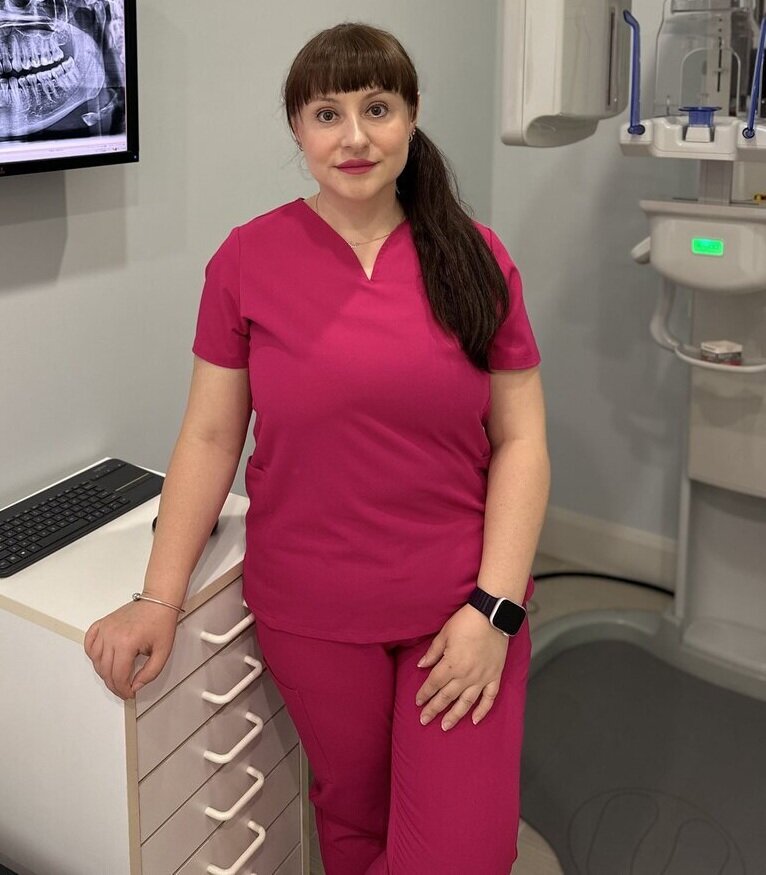
We spoke with Iana Subocheva, a certified dental assistant with more than 13 years of experience and co-author of the international educational textbook Pediatric Dentistry, about the evolving role of dental assistants and why their contribution extends far beyond the treatment room.
Q: Many people still think a dental assistant's job is simply to hand instruments to the dentist. How accurate is that perception?
A: That perception is understandable because it reflects how the profession was often viewed in the past. However, modern dental assistants perform a much broader range of responsibilities.
Today, especially in pediatric dentistry, assistants are involved in patient communication, emotional support, workflow organization, and parent education. They play an important role in creating a positive experience for children and helping appointments run smoothly.
In many ways, dental assistants are active participants in patient care rather than simply technical support staff.
Q: What role does a dental assistant play during a child's first dental visit?
A: Very often, the dental assistant is the first person a child meets when entering the treatment area. Before the dentist even begins an examination, the assistant helps create a sense of comfort and trust.
Children may feel nervous because they are entering an unfamiliar environment. A calm voice, a friendly smile, and a welcoming attitude can make a significant difference. The assistant explains what will happen, answers simple questions, and helps the child become familiar with the surroundings.
Sometimes we show children the instruments beforehand and introduce them in a friendly, non-threatening way. Instead of focusing on medical terminology, we may describe them as special tools or "magic wands" that help keep teeth healthy.
The goal is to replace fear with curiosity and confidence.
Q: Pediatric dentistry often requires a special approach. How do assistants help children feel more comfortable during treatment?
A: Children respond very differently from adults. They often understand and process experiences through imagination and play.
One effective approach is to incorporate elements of gamification into the appointment. For example, the dental chair can become a superhero vehicle or a special mission station. Dental instruments can be presented as tools that help keep teeth strong and healthy.
At the same time, I believe it is important not to talk down to children. They deserve respect and honesty. I prefer explaining procedures in simple language while still speaking to them as individuals who are capable of understanding what is happening.
This combination of playfulness and respect often helps children become active participants rather than passive patients. When a child feels included, anxiety naturally decreases.
Q: How important is organization behind the scenes in pediatric dentistry?
A: Organization is absolutely essential.
Children have limited patience, and even small delays can increase anxiety. If a child is already nervous, waiting longer than expected can make the situation more stressful for everyone involved.
One of the assistant's responsibilities is ensuring that everything is prepared before the procedure begins. This includes instruments, materials, patient records, and any equipment that may be needed.
When everything is organized in advance, treatment proceeds efficiently and without interruptions. The dentist can focus entirely on patient care, and the child experiences a smoother, more predictable appointment.
I often describe the assistant as an invisible conductor. Much of the work happens behind the scenes, but it plays a major role in how successful the overall experience becomes.
Q: You have said that dental assistants sometimes act as psychologists. What do you mean by that?
A: People often assume that only children feel anxious about dental visits, but parents frequently experience just as much stress.
Parents naturally want the best for their children, and they may worry about discomfort, treatment outcomes, or simply how their child will react during the appointment.
The assistant often becomes the person who provides reassurance and practical explanations. We explain procedures in understandable terms, discuss oral hygiene routines, offer guidance on nutrition, and answer questions that parents may hesitate to ask during a busy consultation.
Most importantly, we help create confidence.
When parents feel informed and supported, they tend to remain calmer. That calmness is often reflected in the child's behavior as well. In that sense, assistants help manage not only the child's emotions but also the emotional environment surrounding the appointment.
Q: Beyond patient care, what other contributions do dental assistants make to the profession?
A: The profession offers many opportunities for growth and leadership.
Experienced assistants often mentor newer colleagues, participate in professional development programs, and contribute to educational initiatives. Many become involved in teaching, training, or sharing best practices within the industry.
In my own case, I had the opportunity to become a co-author of the international educational textbook Pediatric Dentistry. Experiences like that demonstrate how the profession continues to evolve and how assistants can contribute beyond clinical practice.
Dental assistants bring valuable practical knowledge and patient-care perspectives that can benefit both future professionals and the broader dental community.
Q: What would you like people to understand about the profession today?
A: I would like people to recognize that modern dental assistants are much more than individuals who pass instruments during procedures.
They are communicators, organizers, educators, and support systems for both patients and parents. They help create positive first impressions, improve patient comfort, support clinical efficiency, and contribute to successful treatment outcomes.
In pediatric dentistry especially, the assistant plays an important role in shaping how children view dental care for years to come.
The phrase "hand me the instrument" represents only a small part of the job. The real value of the profession lies in helping create a safe, positive, and supportive experience for every patient and family who walks through the door.