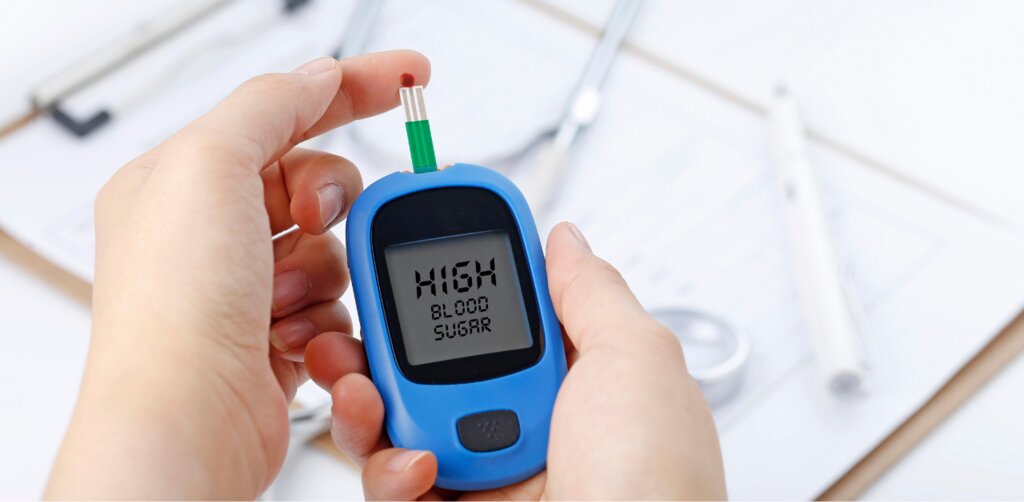
For many people living with diabetes, managing blood sugar has become part of everyday life. Blood sugar monitor kits are now an important tool for tracking glucose levels and maintaining better overall health. What many patients may not realize, however, is that blood sugar control can also directly affect oral health. The connection between diabetes and oral health has become increasingly important in both medical and dental care.
Whether a person is living with Type 1 diabetes, Type 2 diabetes, or prediabetes, monitoring blood glucose levels can provide valuable insight into how the body responds to food, exercise, medication, and stress. These changes do not only affect overall wellness but may also influence gum health, healing ability, and the risk of oral infections.
What Are Blood Sugar Monitors?
Blood sugar monitors, often called blood glucose monitors, are devices used to measure blood sugar levels throughout the day. Traditional monitors typically require a small finger-prick blood sample to provide a reading, while newer Continuous Glucose Monitoring systems can track glucose levels more consistently without repeated testing.
These devices help patients better understand how their blood sugar changes over time and allow them to make adjustments when necessary. As technology continues to improve, blood sugar monitoring has become easier, faster, and more accurate.
How Blood Sugar Monitors Work
Most blood sugar monitors work by analyzing a small drop of blood and providing glucose readings within seconds. More advanced devices now connect to smartphones, allowing patients to track trends, store readings, and share data with healthcare providers.
This makes glucose tracking more convenient and gives patients a better understanding of how their daily habits influence blood sugar levels. These insights can be useful not only for medical care but also for dental treatment planning.
Why Blood Sugar Monitoring Matters for Oral Health
The relationship between diabetes and oral health is closely connected. When blood sugar remains high for long periods, the body may become less effective at fighting bacteria. This can increase the risk of gum inflammation, periodontal disease, dry mouth, delayed healing, and oral infections.
Patients with uncontrolled diabetes often experience more severe gum disease because bacteria can thrive more easily in this environment. At the same time, gum disease itself may make it harder to maintain stable blood sugar levels. This creates a cycle where both conditions can affect one another.
For this reason, both regular dental care and blood sugar monitoring play an important role in maintaining long-term health.
The Benefits of Blood Sugar Monitoring for Dental Patients
Maintaining stable blood sugar levels can have several benefits for oral health. Patients with better glucose control often respond more positively to periodontal treatment because lower inflammation may support healthier gum tissue.
Healing after dental procedures such as extractions, implants, or deep cleanings may also improve when blood sugar levels are well-managed. Poor glucose control can slow healing and increase the risk of infection after treatment.
Regular blood sugar monitoring may also reduce the likelihood of oral infections by helping patients identify and correct unhealthy glucose patterns earlier.
Smart Features in Modern Blood Sugar Monitors
Modern blood sugar monitors now offer advanced features that make glucose management more efficient. Many devices include smartphone connectivity, automatic data storage, and real-time alerts for high or low blood sugar levels.
These tools allow patients to better understand long-term patterns and improve communication with their healthcare providers. This can also support dentists when planning treatment, especially for patients with diabetes-related oral health concerns.
Continuous Glucose Monitoring (CGM)
Continuous glucose monitoring (CGM) devices represent a major breakthrough in diabetes management. Unlike traditional devices that provide readings at specific times, CGM devices measure glucose levels throughout the day and night.
This continuous data can help patients identify patterns that may otherwise go unnoticed. It also provides a clearer picture of how glucose changes during meals, sleep, exercise, or stress.
For dental professionals, understanding these patterns may help in managing healing expectations and identifying possible risk factors during treatment planning.
Who Should Consider Blood Sugar Monitoring?
Blood glucose monitors are most commonly used by people diagnosed with diabetes, but they may also be useful for individuals with prediabetes or those who are at higher risk for developing diabetes.
Patients who frequently experience gum infections, delayed healing after dental procedures, or unexplained oral inflammation may benefit from discussing blood sugar monitoring with their healthcare provider. In some cases, oral symptoms may be one of the first signs of an underlying blood sugar problem.
Final Thoughts
Blood sugar monitoring has become one of the most important tools for diabetes management, but its impact reaches far beyond general health alone. For dental patients, understanding blood sugar levels may help improve gum health, reduce complications, and support better healing after treatment.
Because oral health and overall health are deeply connected, maintaining stable blood glucose levels can play a meaningful role in long-term dental wellness. For patients living with diabetes, regular dental visits combined with proper glucose management may offer one of the strongest approaches to protecting both oral and systemic health.