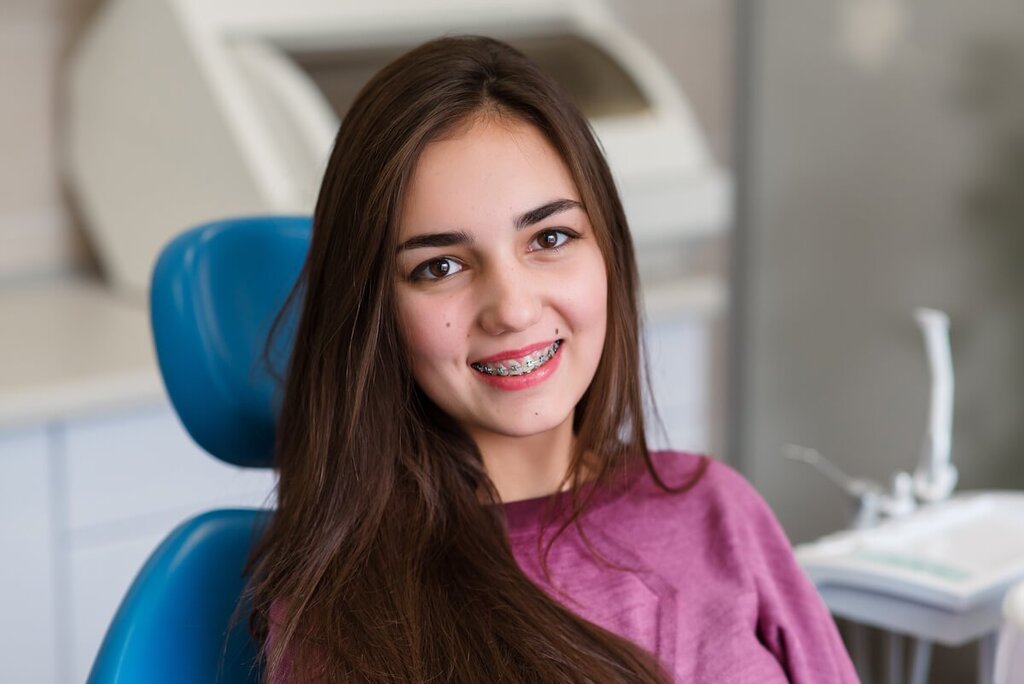
Not all overbites are the same. Some people have a slight overlap of the front teeth that causes little concern. Others may experience significant bite problems that affect daily activities such as eating and speaking. Because overbites vary in severity, treatment plans must be tailored to each individual's needs.
A common mistake is assuming that every overbite requires the same solution. In reality, the amount of tooth overlap, jaw position, age, and overall oral health all influence treatment decisions. This is why a thorough evaluation is important before beginning any orthodontic care. For many patients, choosing an orthodontist who understands your concerns can make it easier to explore treatment options that align with both functional and aesthetic goals.
Understanding how overbite severity affects treatment planning can help patients make informed decisions about their oral health.
Key Takeaways
a) Overbite severity plays a major role in treatment planning.
b) Mild and severe overbites often require different approaches.
c) Age and jaw development influence treatment recommendations.
d) Early evaluation may help prevent future complications.
e) Personalized treatment plans often lead to better long-term outcomes.
What Is an Overbite?
An overbite refers to the vertical overlap of the upper front teeth over the lower front teeth. A small amount of overlap is considered normal. Problems arise when the overlap becomes excessive. In some cases, the upper teeth cover a large portion of the lower teeth. Severe cases may even cause the lower teeth to contact the roof of the mouth. The extent of the overlap helps determine the complexity of treatment.
Why Overbite Severity Matters
The severity of an overbite can affect more than appearance. A deeper overbite may place extra pressure on teeth and jaw structures. Over time, this can contribute to uneven tooth wear, gum issues, or discomfort in the jaw. More severe cases may also affect chewing efficiency and speech patterns.
Because the impact varies from person to person, treatment planning must be based on a detailed assessment rather than appearance alone.
Treatment Planning for Mild Overbites
Mild overbites are often easier to manage. In many cases, orthodontic appliances such as braces or clear aligners can gradually improve tooth positioning. Since the jaw relationship is usually less complicated, treatment may focus primarily on aligning the teeth and correcting bite mechanics.
Patients with mild overbites often experience shorter treatment times compared to those with more severe conditions.
Addressing Moderate Overbites
A moderate overbite typically requires a more comprehensive approach. The treatment plan may include appliances designed to improve both tooth position and bite function. Additional techniques may be used to guide tooth movement more precisely and achieve a balanced bite. Regular monitoring is important throughout treatment to ensure progress remains on track.
Managing Severe Overbites
Severe overbites often present greater challenges. These cases may involve significant differences between the upper and lower jaws. The treatment plan may need to address skeletal concerns in addition to tooth alignment. Depending on the patient's age and condition, specialized orthodontic appliances or other corrective procedures may be considered. The goal is not only to improve appearance but also to restore proper function and long-term oral health.
The Influence of Age on Treatment Decisions
Age is another important factor in treatment planning. Children and teenagers still have developing jaws. This growth can provide opportunities to guide jaw development and address bite issues early. Early intervention may reduce the complexity of treatment later in life.
Adults can also benefit from overbite correction. However, because jaw growth has stopped, treatment approaches may differ from those used for younger patients.
Other Factors That Shape Treatment Plans
Overbite severity is only one part of the equation.
Orthodontic professionals also evaluate:
a) Tooth alignment
b) Jaw relationships
c) Facial structure
d) Oral health status
e) Patient goals and expectations
Each factor contributes to creating a treatment plan that fits the individual's unique needs.
Benefits of Personalized Treatment
Customized treatment plans offer several advantages. They help address the root cause of the overbite rather than simply improving appearance. Personalized care can also improve comfort, treatment efficiency, and long-term stability. When treatment is tailored to the patient's specific condition, the chances of achieving a healthy and functional bite often increase.
Conclusion
The relationship between overbite severity and treatment planning is closely connected. A mild overbite may require relatively simple correction, while severe cases often need a more comprehensive strategy. Factors such as age, jaw structure, and oral health also influence treatment decisions. By understanding the role of overbite severity, patients can better appreciate why personalized treatment planning is essential for achieving lasting results and improved oral function.