According to the Journal of Periodontology's 2023 research review, peri-implantitis affects between 10-15% of dental implant recipients within five years of placement — yet early-stage infections often go unrecognized for months because symptoms can mirror normal healing processes. As implant procedures become increasingly common (over 3 million Americans now receive dental implants annually), understanding the difference between typical post-surgical discomfort and genuine infection has become critical for long-term success.
The challenge isn't just clinical — it's practical. Most patients expect some swelling, sensitivity, or minor bleeding after implant surgery, making it easy to dismiss early warning signs as part of recovery. Meanwhile, bacterial infections around implant sites can progress rapidly once established, potentially compromising not just the implant but surrounding bone and tissue. What starts as treatable surface inflammation can escalate to implant failure requiring complete removal and extensive bone grafting.
For anyone with dental implants — whether recent or years-old — recognizing infection symptoms early can mean the difference between simple antibiotic treatment and complex reconstructive surgery. The key lies in understanding what normal healing looks like versus the specific patterns that signal bacterial invasion, the biological mechanisms that make implants uniquely vulnerable to certain infections, and the diagnostic tools that can catch problems before they become irreversible.
Why Recognizing Infection Early Is Critical
The window for successful infection treatment narrows dramatically once bacteria establish themselves around an implant. Unlike natural teeth, which are connected to the jawbone through a fibrous periodontal ligament that helps fight infection, dental implants integrate directly with bone through a process called osseointegration. This direct bone-to-implant contact creates unique vulnerabilities that make early intervention essential.
Consider a patient who notices mild gum tenderness around a six-month-old implant but assumes it's related to aggressive brushing. Within weeks, that localized inflammation can progress to peri-implantitis — a condition where bacteria infiltrate the space between the implant and surrounding tissues, triggering an immune response that actually accelerates bone loss around the implant. Once this process begins, the body's natural healing mechanisms often can't keep pace with the bacterial invasion.
The stakes extend beyond the implant itself. Untreated implant infections can lead to systemic complications, particularly for patients with compromised immune systems or conditions like diabetes. The bacterial species commonly involved in implant infections — including *Porphyromonas gingivalis* and *Aggregatibacter actinomycetemcomitans* — can enter the bloodstream and potentially contribute to cardiovascular problems or worsen existing health conditions.
From a practical standpoint, the difference between early and late intervention is often measured in thousands of dollars and months of treatment. Early-stage infections typically respond to professional cleaning, localized antibiotic therapy, and improved home care — procedures that can often be completed in one or two appointments. Advanced infections may require surgical debridement, bone grafting, or complete implant removal and replacement, involving multiple procedures over six to twelve months.
The biological reality is that implant surfaces, once contaminated, become increasingly difficult to decontaminate as bacteria form protective biofilms. These microscopic communities of bacteria create a barrier that makes them resistant to both antibiotics and the body's immune response, which is why catching infections before biofilm maturation becomes critical for treatment success.
Common Symptoms and How to Spot Them
Key Visible and Sensory Symptoms
The most reliable early indicator of implant infection is persistent or worsening inflammation that occurs weeks or months after the initial healing period should have concluded. Normal post-surgical swelling typically peaks within 48-72 hours and gradually subsides over 7-14 days. Infection-related swelling, by contrast, either persists beyond this timeline or develops suddenly in a previously healed area.
Pain patterns provide crucial diagnostic clues. While normal healing involves gradually diminishing discomfort that responds predictably to over-the-counter pain medication, infected implants often produce a deep, throbbing sensation that may worsen at night or with gentle pressure. This pain typically doesn't correlate with recent dental work or trauma, distinguishing it from mechanical complications like loose abutments or ill-fitting crowns.
Bleeding around the implant site — particularly spontaneous bleeding or bleeding triggered by gentle brushing — signals active inflammation that warrants immediate attention. Healthy implant sites may show minor bleeding during the first few days after professional cleaning, but ongoing bleeding weeks later suggests bacterial involvement. The blood may appear darker or more viscous than typical gum bleeding, and patients often notice a persistent metallic taste.
Changes in implant stability represent a more advanced warning sign. Patients might detect subtle movement when chewing or speaking, or notice that the implant-supported crown feels different when biting down. Any perceived mobility in a previously stable implant requires urgent evaluation, as this suggests significant bone loss has already occurred around the implant threads.
Differences Between Peri-Implantitis and Other Infections
Peri-implantitis specifically refers to inflammatory bone loss around functioning implants, distinguished from peri-implant mucositis (soft tissue inflammation without bone loss) and acute post-surgical infections. Understanding these distinctions helps patients communicate more effectively with their dental team about concerning symptoms.
Peri-implant mucositis typically presents as surface-level gum inflammation — redness, mild swelling, and bleeding during brushing — without the deep, aching sensation associated with bone involvement. This condition often responds well to improved oral hygiene and professional cleaning, making it an important stage for intervention before progression to full peri-implantitis.
Acute post-surgical infections usually develop within days or weeks of implant placement and are characterized by severe swelling, intense pain, possible fever, and sometimes pus formation. These infections typically respond to systemic antibiotics and represent a different treatment challenge than the chronic bacterial colonization seen in established peri-implantitis.
The progression from mucositis to peri-implantitis often occurs gradually, which is why patients may not recognize the transition. Advanced peri-implantitis frequently involves radiographic bone loss visible on X-rays, distinguishing it from surface-level inflammation and indicating that specialized treatment beyond routine dental care is necessary.
How Dental Implant Infections Develop and What Causes Them
Bacterial biofilm formation represents the fundamental mechanism behind most implant infections. Unlike the planktonic (free-floating) bacteria that cause acute infections, biofilm bacteria organize into structured communities that adhere to implant surfaces and secrete protective matrices. These biofilms develop within hours of bacterial exposure and become increasingly resistant to both mechanical removal and antibiotic treatment as they mature.
The implant surface itself influences infection susceptibility. Rough implant surfaces, designed to promote osseointegration, inadvertently create microscopic spaces where bacteria can establish protected colonies. Once bacteria penetrate below the gum line and contact the implant threads, standard brushing and flossing cannot reach these areas, allowing biofilms to develop undisturbed.
Specific bacterial species play distinct roles in implant infections. *Porphyromonas gingivalis* and *Tannerella forsythia* — gram-negative anaerobic bacteria also associated with severe periodontal disease — produce enzymes that break down collagen and trigger inflammatory responses. *Aggregatibacter actinomycetemcomitans* releases toxins that directly damage bone-forming cells (osteoblasts), accelerating bone loss around infected implants. Understanding these mechanisms explains why implant infections often progress more rapidly than natural tooth infections.
The body's immune response, while intended to fight infection, paradoxically contributes to implant failure in established infections. Inflammatory mediators released by immune cells — including interleukin-1ß and tumor necrosis factor-alpha — stimulate osteoclast activity (bone-resorbing cells) while simultaneously inhibiting osteoblast function. This creates a cycle where the immune system's attempts to clear bacteria actually accelerate the bone loss that threatens implant stability.
Systemic risk factors significantly influence infection development and progression. Diabetes mellitus impairs both immune function and wound healing, creating conditions where bacterial biofilms can establish more easily and resist clearance more effectively. Smoking reduces blood flow to healing tissues and impairs the delivery of immune cells and nutrients necessary for fighting infection. Patients with these risk factors require more aggressive prevention protocols and closer monitoring for early infection signs. For patients considering comprehensive implant solutions, centers like Charlotte Dental Arts often emphasize thorough risk assessment and customized maintenance protocols to optimize long-term success.
Diagnosis Approaches and Emerging Techniques
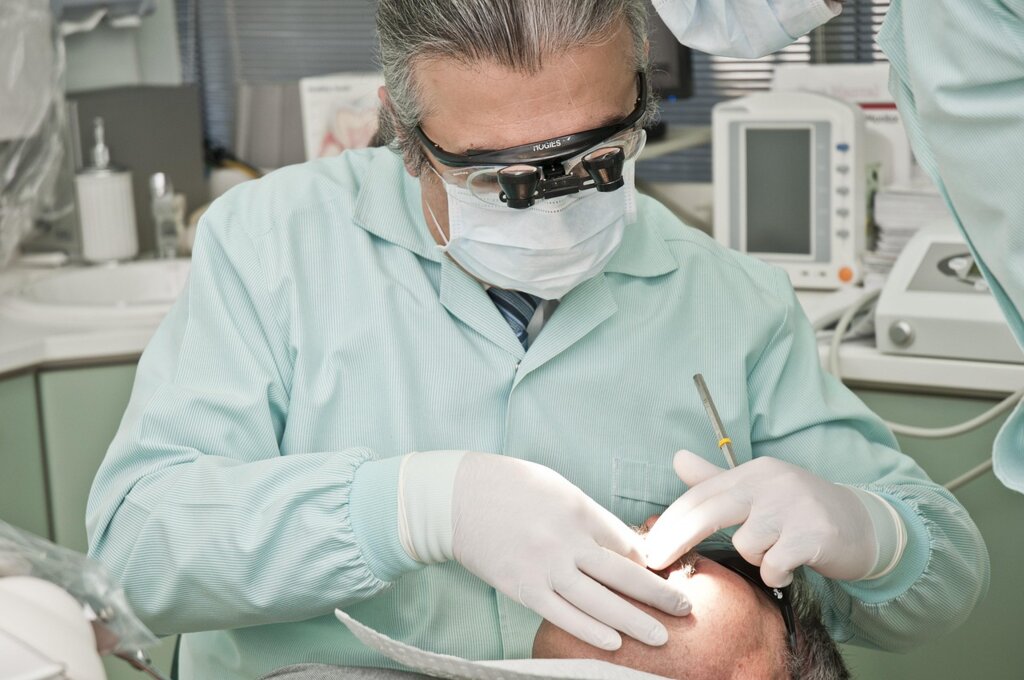
Clinical examination remains the cornerstone of implant infection diagnosis, though practitioners now use more sophisticated assessment protocols than simple visual inspection. Gentle probing around implant sites with specialized instruments can detect increased pocket depths, bleeding on probing, and the presence of suppuration (pus) — all indicators of active infection. However, probing must be performed carefully around implants, as aggressive examination can inadvertently introduce bacteria or damage healing tissues.
Radiographic evaluation has evolved beyond standard periapical X-rays to include cone beam computed tomography (CBCT) for complex cases. While routine X-rays can reveal significant bone loss around implant threads, CBCT provides three-dimensional visualization of bone architecture and can detect early changes not visible on two-dimensional images. The challenge lies in distinguishing between normal bone remodeling that occurs during the first year after implant placement and pathological bone loss caused by infection.
Microbiological testing represents a significant advancement in implant infection diagnosis. Bacterial sampling techniques can identify specific pathogenic species present in implant pockets and determine their antibiotic sensitivity patterns. This information allows practitioners to select targeted antibiotic therapy rather than relying on broad-spectrum medications that may be less effective and contribute to antibiotic resistance.
Inflammatory markers provide additional diagnostic information, particularly for monitoring treatment response. Gingival crevicular fluid analysis can measure levels of inflammatory proteins like matrix metalloproteinases (MMPs) and interleukin-1ß around infected implants. Elevated levels of these markers often precede clinically visible signs of infection, potentially allowing for earlier intervention.
Emerging diagnostic technologies include bacterial DNA analysis and point-of-care inflammatory marker testing. Some practices now use chairside tests that can identify high-risk bacterial species within minutes, allowing for immediate treatment decisions. Additionally, digital monitoring systems that track subtle changes in implant stability over time are being developed to detect mechanical complications before they become clinically apparent.
Effective Treatment and Prevention Strategies
Treatment Options for Dental Implant Infections
Non-surgical treatment forms the first line of defense against most implant infections, particularly when diagnosed early. Professional debridement using specialized instruments designed for implant surfaces can mechanically disrupt bacterial biofilms without damaging the implant threads. Ultrasonic scalers with plastic tips, carbon fiber curettes, and air-powder abrasive systems can effectively remove bacterial deposits while preserving the critical implant-bone interface.
Localized antibiotic therapy offers advantages over systemic antibiotics for many implant infections. Controlled-release antibiotic gels placed directly into infected implant pockets can achieve high local concentrations of medication while minimizing systemic side effects. Chlorhexidine irrigation and photodynamic therapy — where light-activated compounds selectively destroy bacterial cells — provide additional non-surgical options for biofilm disruption.
Surgical intervention becomes necessary when non-surgical methods fail to resolve infection or when significant bone loss has occurred. Surgical debridement allows direct access to contaminated implant surfaces for thorough decontamination. Surface treatments including implantoplasty (smoothing rough implant surfaces) and various chemical decontamination protocols can improve the chances of successful re-integration. Advanced cases may require bone grafting procedures to regenerate lost support around the implant.
Antibiotic selection requires careful consideration of the bacterial species involved and local resistance patterns. Amoxicillin-clavulanic acid combinations often provide effective coverage against common implant pathogens, while metronidazole targets anaerobic bacteria frequently found in established biofilms. However, systemic antibiotics alone rarely resolve established implant infections without concurrent mechanical debridement.
Best Practices for Preventing Implant Infections
Meticulous oral hygiene remains the most effective prevention strategy, though implants require modified techniques compared to natural teeth. Soft-bristled toothbrushes, low-abrasive toothpastes, and interdental cleaning tools designed specifically for implants help remove bacterial plaque without damaging implant components. Water flossers can effectively flush bacteria from areas around implant abutments that traditional floss cannot reach.
Professional maintenance should occur more frequently for implant patients than those with only natural teeth. Professional cleaning every three to four months allows for early detection and removal of bacterial deposits before they organize into mature biofilms. Dental hygienists trained in implant maintenance use specialized instruments and techniques that preserve implant surfaces while effectively removing bacterial contamination.
Systemic health optimization significantly impacts implant infection risk. Diabetic patients should maintain optimal blood glucose control, as elevated glucose levels impair immune function and promote bacterial growth. Smoking cessation programs show documented benefits for implant longevity, with former smokers demonstrating infection rates approaching those of non-smokers within one year of quitting.
Risk factor monitoring enables proactive intervention before infections develop. Patients taking medications that suppress immune function, those with autoimmune conditions, or individuals experiencing significant life stress should receive more frequent monitoring and possibly prophylactic treatments during high-risk periods. Understanding these individual risk factors allows for personalized prevention protocols that address each patient's specific vulnerabilities.
The key insight for implant patients is that prevention requires active participation rather than passive hope. Unlike natural teeth, which benefit from continuous immune surveillance through the periodontal ligament, implants depend entirely on mechanical plaque control and professional maintenance to prevent bacterial colonization. This reality makes patient education and consistent preventive care not just beneficial, but essential for long-term implant success.