According to the American Academy of Cosmetic Dentistry's 2023 member survey, dental veneers represent the fastest-growing segment of cosmetic dental procedures, with case volume increasing 47% over the past three years. This surge reflects more than just aesthetic trends — it signals a fundamental shift in how people view the relationship between their smile and their confidence. As social media amplifies the importance of visual presentation and remote work puts faces front-and-center during video calls, the psychological impact of smile satisfaction has become impossible to ignore.
What makes veneers particularly compelling isn't just their ability to transform teeth, but their capacity to address multiple cosmetic concerns simultaneously — discoloration, chips, gaps, and shape irregularities — in a relatively conservative treatment approach. For individuals who've spent years feeling self-conscious about their smile, the prospect of a dramatic improvement in just a few dental visits represents a significant quality-of-life investment. Understanding how different veneer options work, what the process actually involves, and how to weigh the long-term implications can help anyone considering this treatment make an informed decision about whether veneers align with their goals and expectations.
How Do Dental Veneers Enhance Smiles and Confidence?
The transformation that veneers provide goes far beyond simple tooth covering — they fundamentally alter the visual architecture of a smile through precise modifications to tooth color, shape, size, and alignment. Unlike whitening treatments that only address discoloration, or orthodontics that focus solely on positioning, veneers can simultaneously correct multiple aesthetic concerns while creating harmony between individual teeth and the overall facial structure.
Consider someone whose front teeth show years of coffee staining, have small chips from a childhood accident, and appear slightly shorter than ideal due to natural wear. Traditional approaches would require separate treatments — professional whitening for the stains, bonding for the chips, and potentially crown lengthening for proportion issues. A skilled cosmetic dentist can address all these concerns with strategically designed veneers that not only eliminate the imperfections but actually improve upon the original tooth anatomy.
The psychological impact of this comprehensive transformation often surprises patients. Research from the Journal of Prosthodontic Research demonstrates that individuals who receive cosmetic dental treatment show measurable improvements in social confidence and professional self-presentation within six months of treatment completion. The mechanism appears to be straightforward: when people feel genuinely confident about their smile, they smile more frequently and naturally, which creates positive feedback loops in both personal and professional interactions.
What sets modern veneer treatment apart is the level of customization possible in both color matching and shape design. Advanced ceramic materials can replicate the subtle translucency and light-reflecting properties of natural tooth enamel, while digital design tools allow dentists to create shapes that complement each patient's unique facial features, lip line, and gum architecture. This attention to individualization means that well-executed veneers don't just look "perfect" — they look authentically beautiful in a way that enhances rather than masks the person's natural characteristics.
What Types of Veneers Are Available and Who Are They Best For?
The veneer landscape has evolved significantly beyond the traditional porcelain-only approach, with multiple material options and preparation techniques now available to match different clinical situations and patient preferences. Understanding these distinctions becomes crucial because the "best" veneer type depends entirely on the specific combination of aesthetic goals, tooth condition, budget considerations, and long-term expectations that each individual brings to treatment.
Modern veneer options fall into several distinct categories, each with characteristic properties that make them suitable for different scenarios. Traditional porcelain veneers require tooth preparation and offer maximum durability and aesthetic potential. Composite resin veneers can often be completed in a single appointment with minimal tooth preparation. No-prep veneers work for specific cases where tooth structure allows. Removable veneers provide a temporary cosmetic solution without any permanent tooth alteration.
Comparing Porcelain, Composite, No-prep, and Removable Veneers
Porcelain veneers represent the gold standard for comprehensive smile makeovers, utilizing high-strength ceramic materials that closely mimic natural tooth enamel's optical properties. The fabrication process involves laboratory craftsmanship that allows for precise color matching and detailed surface texturing, resulting in restorations that integrate seamlessly with existing teeth. However, porcelain veneers require removal of approximately 0.5mm of tooth enamel to accommodate the restoration thickness, making this an irreversible treatment decision.
Composite resin veneers offer significant advantages in terms of reversibility and treatment timeline, as they're built directly on the tooth surface using tooth-colored filling material. This approach preserves more natural tooth structure and allows for easier repairs if damage occurs. The trade-off comes in longevity and stain resistance — composite materials typically require replacement or refurbishment every 5-7 years compared to porcelain's 10-15 year lifespan.
No-prep veneers work specifically for patients whose teeth are naturally small, have gaps between them, or are positioned in a way that allows adding material without making teeth appear bulky. These ultra-thin porcelain shells bond directly to existing enamel without requiring tooth reduction, preserving maximum tooth structure while still providing significant aesthetic improvement.
Matching Veneer Types to Different Smile Needs and Goals
The decision matrix for veneer selection involves balancing multiple factors that vary significantly among patients. Someone with severe discoloration from tetracycline staining typically benefits most from porcelain veneers' superior opacity and color-masking ability. An individual with minor chips and good overall tooth color might achieve excellent results with composite veneers while preserving more tooth structure.
Budget considerations often influence treatment planning, as composite veneers typically cost 40-60% less than porcelain options while still providing substantial aesthetic improvement. However, the long-term cost equation changes when factoring in replacement frequency — porcelain's greater durability can make it more economical over a 15-year timeframe despite higher initial investment.
Lifestyle factors also play a crucial role in material selection. Patients who grind their teeth, play contact sports, or have habits like nail-biting generally achieve better long-term outcomes with porcelain veneers' superior fracture resistance. Conversely, individuals who want the option to modify or reverse their treatment in the future often prefer composite's reversible nature.
Age considerations influence treatment planning as well, particularly for younger patients whose teeth and gums may continue changing. Starting with composite veneers allows for future transition to porcelain when facial development stabilizes, while providing immediate aesthetic benefits during formative social years.
What Happens During the Veneer Placement and Customization Process?
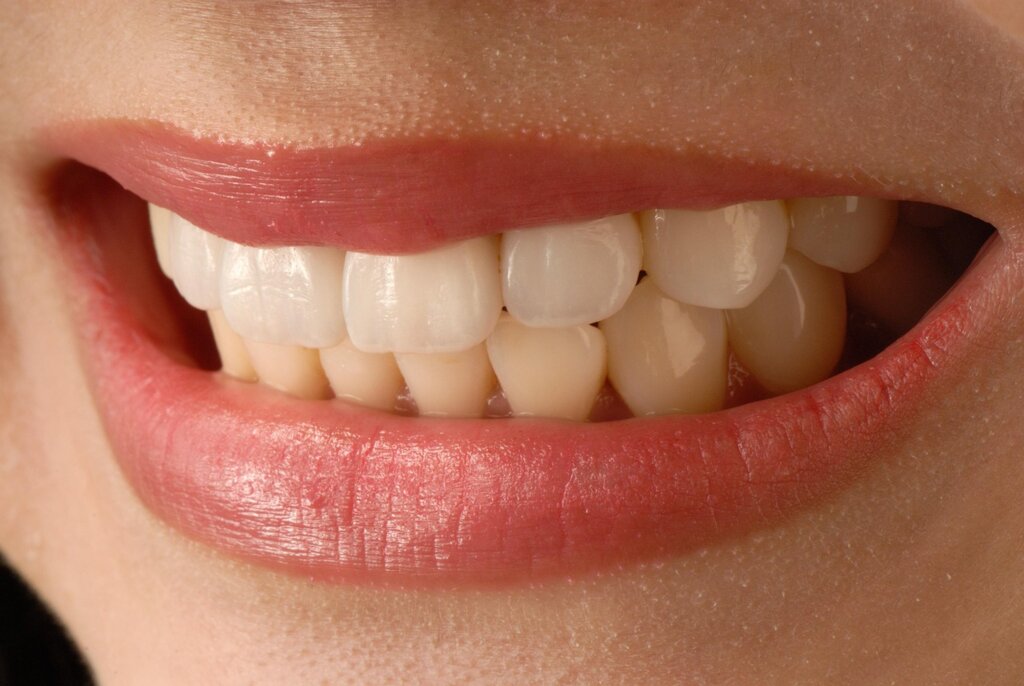
The veneer placement process represents a careful balance between technical precision and artistic vision, requiring multiple appointments to ensure both proper fit and natural aesthetics. Understanding what actually happens during treatment helps demystify the process and sets realistic expectations for the time investment and temporary inconveniences involved.
Initial treatment planning begins with comprehensive examination of tooth structure, gum health, and bite relationship to determine whether veneers represent the most appropriate treatment approach. Digital photography and impressions capture the current situation, while shade matching under different lighting conditions ensures color accuracy. Many practices now use digital smile design software that allows patients to preview potential outcomes before any tooth preparation begins.
The tooth preparation appointment involves carefully removing a thin layer of enamel from the front surface of each tooth receiving a veneer — typically about half a millimeter, roughly the thickness of a fingernail. This process requires local anesthesia and creates space for the restoration without making teeth appear bulky. Temporary veneers protect the prepared teeth and provide a preview of the final result, though they lack the strength and polish of the permanent restorations.
Laboratory fabrication typically requires 1-2 weeks, during which skilled technicians build each veneer to match the approved design specifications. Modern dental laboratories use high-resolution photographs and detailed instructions to ensure color accuracy and surface texture that harmonizes with adjacent teeth. Quality control involves multiple verification steps before the completed restorations return to the dental office.
The final placement appointment focuses on achieving perfect fit and natural appearance through careful adjustment and bonding procedures. Each veneer receives individual evaluation for contact with adjacent teeth, proper gum line relationship, and bite harmony. The bonding process uses specialized adhesives that create a strong chemical bond between the veneer and tooth structure, essentially making them function as a single unit. Final polishing and bite adjustment ensure comfort and optimal function from the moment treatment concludes.
What Are the Pros and Cons of Dental Veneers Including Their Risks and Lifespan?
The decision to pursue veneer treatment requires honest evaluation of both the substantial benefits and the genuine limitations that come with this approach to smile enhancement. While veneers can provide dramatic aesthetic improvements, they also involve permanent alterations to tooth structure and ongoing maintenance responsibilities that patients must understand fully before proceeding.
The primary advantages of veneers center on their ability to provide comprehensive smile transformation while maintaining relatively conservative treatment approaches. High-quality porcelain veneers resist staining better than natural teeth, meaning the initial color improvement tends to remain stable over many years. The strength of modern ceramic materials allows veneers to withstand normal chewing forces while providing excellent fracture resistance when properly maintained. Additionally, veneers for smile enhancement can address multiple aesthetic concerns simultaneously — discoloration, shape irregularities, minor spacing issues, and proportional imbalances — in a way that would otherwise require several different treatments.
However, veneer treatment involves several important considerations that affect long-term satisfaction. The tooth preparation process removes enamel permanently, meaning the treated teeth will always require some form of restoration to maintain proper function and appearance. While porcelain veneers typically last 10-15 years with proper care, they will eventually need replacement, creating ongoing treatment costs over a lifetime.
Potential complications include veneer fracture or debonding, particularly in patients who grind their teeth or have heavy bite forces. Some individuals experience increased tooth sensitivity, especially to temperature changes, though this often diminishes over time. The irreversible nature of tooth preparation means that patients must commit to maintaining their veneers through replacement cycles rather than returning to their original tooth condition.
Cost represents a significant factor for most patients, as comprehensive veneer treatment often requires substantial financial investment. While many individuals find the improvement in confidence and quality of life justifies the expense, the decision requires careful consideration of both immediate and long-term financial implications.
How Should You Maintain Dental Veneers for Long-lasting Results?
Proper veneer maintenance extends far beyond basic oral hygiene, requiring specific care strategies that protect both the restoration materials and the underlying tooth structure. Understanding these requirements from the outset helps patients preserve their investment while maintaining optimal oral health throughout the veneer lifecycle.
Daily care routines for veneered teeth emphasize gentle but thorough cleaning techniques that remove plaque without damaging restoration margins. Non-abrasive toothpastes prevent surface scratching that could dull the veneer's polish, while soft-bristled toothbrushes provide effective cleaning without excessive force. Flossing requires particular attention around veneer edges where bacteria can accumulate, potentially leading to gum inflammation or secondary decay at restoration margins.
Dietary considerations play a crucial role in veneer longevity, particularly regarding foods and beverages that could cause staining or damage. While porcelain veneers resist most stains, the bonding cement at restoration edges can discolor over time with exposure to coffee, red wine, or tobacco products. Hard foods like ice, nuts, or candy can fracture veneers, especially when combined with poor bite habits like nail biting or pen chewing.
Professional maintenance involves regular dental examinations that monitor veneer integrity and surrounding tissue health. Dentists check for signs of wear, marginal leakage, or changes in bite relationship that could affect veneer performance. Professional cleanings use specialized techniques that maintain restoration surfaces while removing accumulated deposits that home care might miss.
Long-term success often depends on addressing underlying factors that could compromise veneer stability. Patients who grind their teeth typically benefit from nightguards that protect restorations during sleep. Those with heavy bite forces may need periodic bite adjustments to ensure even force distribution across all teeth. Regular dental visits allow for early intervention if problems develop, often preventing minor issues from becoming major complications.
The investment in high-quality veneers deserves protection through informed maintenance choices. Patients who understand and implement proper care strategies typically enjoy many years of confident smiling, while those who neglect maintenance requirements may face premature replacement costs. The key lies in viewing veneer care as an ongoing partnership between patient and dental team, with each party contributing to long-term success through their respective expertise and commitment.