According to the American College of Prosthodontists, over 36 million Americans are missing all of their teeth, while 120 million are missing at least one tooth — yet fewer than 15% of these individuals receive the specialized care that could restore both function and confidence. As dental technology advances rapidly and awareness grows about the connection between oral health and overall wellbeing, prosthodontists are emerging as the specialists uniquely positioned to address complex dental problems that go far beyond routine cleanings and fillings.
The field of prosthodontics focuses specifically on replacing missing teeth and restoring damaged oral structures, requiring an additional three years of specialized training beyond dental school. Unlike general dentistry, which handles prevention and basic treatment, prosthodontists tackle the intricate challenges of rebuilding smiles that have been compromised by trauma, disease, or congenital conditions. For the millions of Americans dealing with significant tooth loss, bite problems, or facial structural issues, understanding what prosthodontists can accomplish opens up possibilities that many never realized existed.
This specialized care addresses problems that ripple through every aspect of daily life — from the inability to eat certain foods to avoiding social situations due to embarrassment about one's smile. The solutions prosthodontists provide often transform not just oral health, but overall quality of life in ways that extend far beyond the dental chair.
Which Oral Problems Do Prosthodontists Commonly Treat?
The most frequent issues that bring patients to prosthodontists center around extensive tooth loss and its cascading effects on oral function. When someone has lost multiple teeth — whether from periodontal disease, trauma, or decay — the remaining teeth begin shifting position, the jawbone starts to deteriorate, and the facial muscles lose proper support. This creates a domino effect that general dentistry simply isn't equipped to handle comprehensively.
Bite irregularities represent another major category of prosthodontic care. These aren't minor alignment issues that orthodontics might address, but complex problems where the upper and lower teeth don't meet correctly due to missing teeth, uneven tooth wear, or jaw discrepancies. Patients often describe difficulty chewing on both sides of their mouth, jaw pain that radiates to the temples, or the inability to bite through foods like sandwiches or apples without discomfort.
Prosthodontists regularly treat individuals whose previous dental work has failed catastrophically. Picture someone who received multiple crowns and bridges years ago, only to have several fail simultaneously, leaving them with fractured teeth and exposed roots. General dentists might replace one crown at a time, but prosthodontists develop comprehensive treatment plans that address the underlying factors that caused the original failures.
Congenital conditions also fall within prosthodontic expertise. Some patients are born missing multiple permanent teeth, have underdeveloped jaw structures, or possess genetic conditions affecting tooth formation. These cases require careful coordination with oral surgeons and orthodontists, but prosthodontists serve as the primary treatment planners who design solutions spanning years of care.
Finally, prosthodontists frequently work with oral cancer survivors whose treatment has left significant gaps in their oral structures. Radiation and surgery can destroy teeth, bone, and soft tissues, creating reconstruction challenges that demand both technical skill and artistic vision to restore function while maintaining dignity.
How Do Prosthodontists Restore Function and Improve Smiles?
The dual challenge prosthodontists face involves engineering solutions that work mechanically while appearing natural aesthetically — a balance that requires understanding both biomechanics and artistic principles. Functional restoration starts with analyzing how forces distribute across the dental arches during chewing, speaking, and swallowing. A prosthodontist examines not just the missing or damaged teeth, but how replacement structures will integrate with existing teeth, jaw joints, and facial muscles.
Consider someone who has lost all their back teeth but retained their front teeth. Simply placing implants where the molars used to be won't work if the front teeth have drifted or tilted over time. The prosthodontist must first determine whether the remaining teeth can support the forces they'll encounter, whether the jawbone has sufficient density for implants, and how the new teeth will affect the patient's bite pattern. This analysis often reveals problems the patient never realized existed.
Aesthetic integration involves much more than making replacement teeth look white and straight. Prosthodontists study facial proportions, lip support, and smile dynamics to ensure that new teeth enhance rather than distract from natural facial features. They consider how the teeth will appear during different types of smiles, how they'll affect speech patterns, and whether the proportions will remain harmonious as the patient ages.
The materials and techniques prosthodontists use must satisfy both functional and aesthetic demands simultaneously. Modern ceramics can match natural tooth translucency and color variation, but they must also withstand decades of chewing forces. Advanced dentistry services in Delray Beach often incorporate digital planning tools that allow prosthodontists to test different solutions virtually before beginning treatment, ensuring both beauty and longevity in the final result.
This integrated approach explains why prosthodontic treatment typically takes months rather than weeks — each element must be carefully planned and tested to ensure the final result serves the patient well for decades to come.
What Procedures and Materials Do Prosthodontists Use?
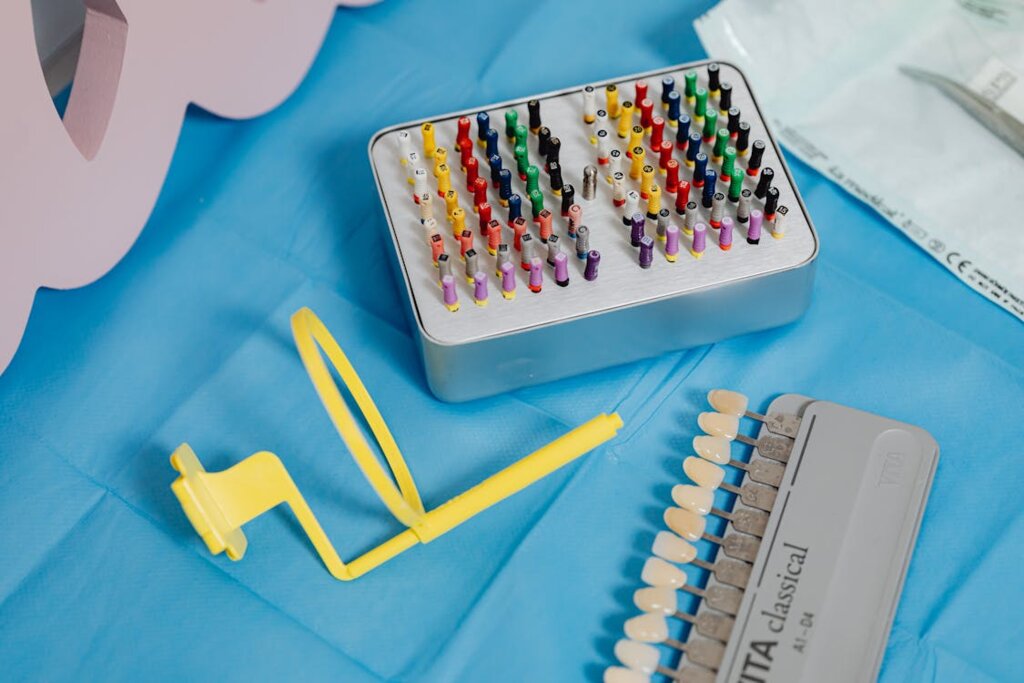
Which Procedures Are Most Commonly Performed?
Dental implant restoration represents the most sophisticated approach prosthodontists use to replace missing teeth. Unlike simply placing implants, prosthodontic implant work involves designing the entire system — from the implant positioning to the final crown — with precise attention to bite forces and aesthetic integration. Prosthodontists often coordinate with oral surgeons who place the implants, then create custom abutments and crowns that distribute forces optimally while matching surrounding teeth perfectly.
Complex crown and bridge systems address situations where multiple teeth need replacement or extensive restoration. A prosthodontist might design a series of connected crowns that span several missing teeth, calculating exactly how forces will transfer through the system and ensuring that supporting teeth can handle the additional load. These aren't simple single-crown replacements, but engineered solutions that restore entire sections of the dental arch.
Full-mouth rehabilitation involves reconstructing most or all of a patient's teeth, often combining multiple techniques. This might include implants, crowns, bridges, and even surgical procedures performed in careful sequence over months. The prosthodontist serves as the general contractor, coordinating with specialists and timing each phase to achieve optimal results.
What Materials Are Used in Prosthodontic Care?
Zirconia and lithium disilicate ceramics have revolutionized prosthodontic restoration by providing strength approaching that of natural tooth enamel while maintaining excellent aesthetic properties. Zirconia works particularly well for posterior teeth where chewing forces are highest, while lithium disilicate offers superior translucency for front teeth where appearance matters most. Prosthodontists select materials based on location, force requirements, and aesthetic demands specific to each case.
Titanium alloys remain the gold standard for implant fixtures due to their biocompatibility and ability to integrate with jawbone tissue. However, prosthodontists now have access to ceramic implant options for patients with metal sensitivities or those seeking completely metal-free restorations. The choice depends on bone quality, aesthetic requirements, and the patient's medical history.
High-performance acrylics and composite materials serve important roles in temporary restorations and denture construction. Modern denture materials can be digitally milled for precise fit and incorporate fibers for enhanced strength. These materials allow prosthodontists to create interim solutions that function well during lengthy treatment processes while maintaining patient comfort and appearance.
What Challenges Do Prosthodontists Face and How Do They Plan Treatments?
The complexity of prosthodontic cases creates planning challenges that extend far beyond typical dental treatment. Managing patient expectations while delivering realistic outcomes requires careful communication about what's possible within biological and financial constraints. A patient who has avoided dental care for decades may envision a complete transformation in weeks, but successful prosthodontic treatment often requires months of preparatory work, healing time, and gradual restoration phases.
Coordinating with multiple specialists adds layers of complexity to treatment planning. A full-mouth rehabilitation might involve periodontal treatment, oral surgery, orthodontics, and prosthodontic restoration — each phase dependent on the success of previous work. Prosthodontists must sequence these treatments optimally while maintaining patient function and comfort throughout the process.
Biological limitations frequently constrain treatment options in ways that become apparent only through detailed examination and imaging. Insufficient bone density for implants, compromised tooth structures that can't support complex bridgework, or medical conditions that affect healing all influence treatment decisions. Prosthodontists develop contingency plans and alternative approaches when initial treatment concepts prove unfeasible.
Best practices in prosthodontic planning emphasize comprehensive diagnosis before treatment begins. This includes detailed bite analysis, three-dimensional imaging, and often the creation of study models that allow testing of different approaches. Many prosthodontists use digital treatment planning software that simulates proposed treatments, helping both doctor and patient understand expected outcomes before committing to irreversible procedures.
The most successful prosthodontic outcomes result from conservative treatment philosophies that preserve existing healthy structures while strategically replacing or restoring compromised areas. This approach often means staging treatment over longer periods but results in more predictable, longer-lasting results.
How Does Prosthodontic Care Impact Patients' Quality of Life?
The psychological transformation that follows successful prosthodontic treatment often surprises both patients and their families. Individuals who have spent years covering their mouths when laughing or avoiding social gatherings frequently describe a profound shift in confidence and social engagement after treatment completion. Research in dental psychology consistently shows that oral health directly influences self-perception and willingness to participate in personal and professional interactions.
Nutritional improvements represent another significant benefit that extends beyond oral health. Patients who have struggled with missing teeth often adapt their diets to avoid foods they can't chew properly, leading to nutritional deficiencies over time. The restoration of proper chewing function allows patients to return to balanced diets including fresh fruits, vegetables, and proteins that were previously difficult or impossible to eat comfortably.
Speech clarity improvements can be dramatic for patients whose missing teeth or ill-fitting dentures have affected their ability to communicate clearly. The precise positioning of replacement teeth that prosthodontists achieve helps restore normal tongue and lip positioning during speech, eliminating whistling sounds, lisping, or the slurred speech patterns that often develop when teeth are missing.
The long-term health implications of quality prosthodontic care extend throughout the body. Proper chewing function reduces digestive strain, while eliminating chronic oral infections that can contribute to cardiovascular disease and diabetes complications. For many patients, successful prosthodontic treatment represents not just cosmetic improvement, but a foundation for better overall health that will serve them for decades.
Beyond immediate functional improvements, quality prosthodontic care provides patients with renewed confidence to pursue opportunities they might have avoided due to embarrassment about their oral health. The investment in comprehensive treatment often pays dividends in improved personal relationships, professional advancement, and overall life satisfaction that extends far beyond the dental office.