What I Look for in a Dentist When My Schedule Is Already Packed
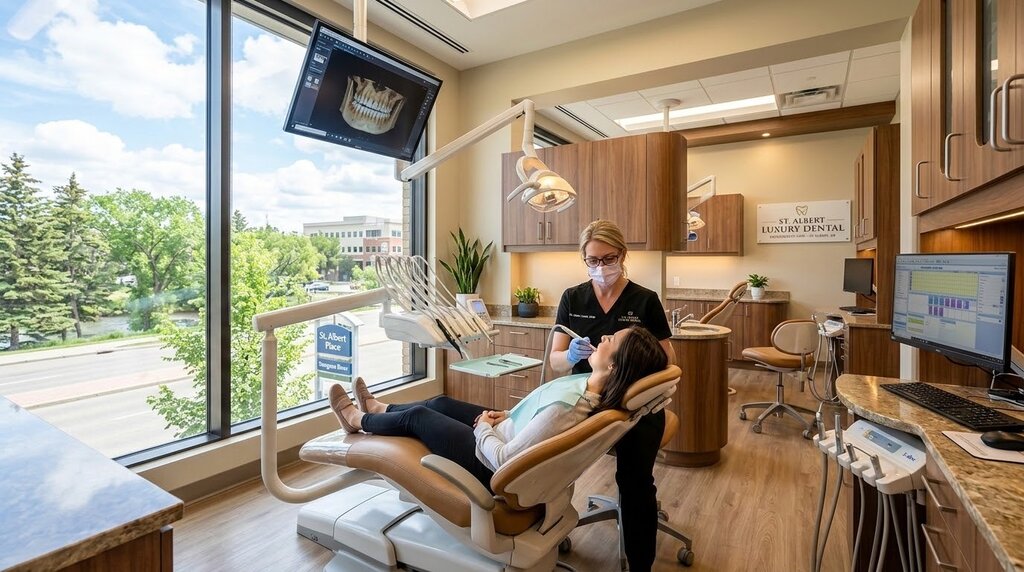
Over the years, I’ve realized that most busy professionals do not avoid dental care because they think it is unimportant. Usually, it gets delayed because life becomes crowded with work deadlines, meetings, family responsibilities, and daily stress. I’ve seen this pattern repeatedly in conversations with patients and colleagues alike.
What changed my perspective was understanding that choosing the right dental office is less about finding “the best clinic” in a general sense and more about finding a provider whose systems actually fit real life. In my experience, the biggest factors are accessibility, communication, preventive planning, and how easy the office makes ongoing care.
Access Matters More Than People Think
One thing I’ve noticed is that even patients who genuinely care about oral health will postpone visits if scheduling feels complicated. If booking an appointment requires multiple calls, limited hours, or long wait times, people naturally push it off.
Personally, I now pay close attention to how accessible a clinic is before anything else. Can appointments fit around work hours? Is the office close to home or along a normal commute route? Is communication straightforward?
For professionals with packed calendars, convenience is not laziness. It is what determines consistency. A dental office that reduces friction makes preventive care easier to maintain long term.
When people ask me what to look for locally, I usually tell them to start by reviewing practical information first. A provider like St. Albert Dentist can give patients a better idea of available services, appointment structure, and long-term care options before they even schedule an initial consultation.
Prevention Saves More Time Than Treatment
One thing I’ve learned from dentistry is that small problems rarely stay small forever. Delaying care may save time temporarily, but it often creates larger interruptions later.
I’ve seen situations where patients postponed routine exams for months because they were busy, only to end up needing emergency visits, multiple appointments, or more extensive restorative treatment later on.
That’s why I’ve become a strong believer in preventive dentistry. Routine cleanings, exams, and early evaluations are usually far easier to manage than sudden dental pain during an already stressful work week.
According to the Canadian Dental Association, regular checkups and cleanings help reduce the risk of tooth decay and gum disease. Alberta Health Services also emphasizes consistent oral hygiene and preventive care as part of long-term oral health management.
From a practical standpoint, prevention simply creates fewer disruptions later.
Communication Changes the Entire Experience
Another thing I’ve personally come to value is communication style.
Many patients feel anxious about dental visits because they worry they will feel pressured into treatment or confused about recommendations. I completely understand that concern. I’ve found that the best dental experiences happen when providers explain things calmly and clearly.
Good communication means understanding:
-
What the issue actually is
-
Whether it needs immediate treatment
-
What options are available
-
How treatment timing can fit your schedule and budget
In my experience, patients become much more comfortable when they feel informed instead of rushed. Dentistry should feel collaborative, not overwhelming.
It Helps When a Clinic Can Support Different Needs
Something else I’ve noticed is that dental needs rarely stay limited to one category forever.
A patient may initially visit for preventive care, but later ask about:
Tooth sensitivity
Grinding or clenching
Cosmetic concerns
Gum health
Bite alignment
Restorative treatment
Because of that, I usually recommend choosing a clinic that can either provide broader guidance or coordinate care effectively when needed. It creates a smoother experience than constantly searching for new providers every time a different issue appears.
For readers comparing local options, a St. Albert Dentist can be a useful resource when reviewing available dental services, appointment information, and general care options in the area. The key is to look for a provider that makes care easier to maintain, not just easier to book once.
Cost Transparency Builds Trust
In my opinion, one of the most underrated qualities in dentistry is financial transparency.
Most people are not expecting exact pricing before an examination. But they do want honesty about the process. Patients usually feel more comfortable when a clinic clearly explains:
What evaluations are needed first
How insurance may apply
Which treatments are urgent versus optional
Whether treatment can be phased gradually
I’ve found that transparency reduces stress significantly, especially for professionals balancing household budgets, insurance plans, and health expenses.
Small Details Often Reveal the Most
Over time, I’ve also learned that small operational details usually tell you a lot about a dental office.
Things like:
How staff communicate
Whether questions are answered patiently
How easy information is to find online
Whether appointment reminders are organized
How clearly treatment plans are explained
These details shape the overall experience far more than flashy marketing does.
A clean website, helpful educational resources, and realistic communication often indicate that the office values patient experience beyond just attracting new appointments.
Final Thoughts
For busy professionals, choosing a dentist is really about reducing future stress, not adding more to an already full schedule.
The offices that stand out to me are usually the ones that make preventive care manageable, explain treatment clearly, respect patients’ time, and help people stay consistent before problems become urgent.
In the long run, dental care becomes much easier when it feels organized, predictable, and supportive rather than reactive.
Additional Resource
Readers exploring bite alignment, spacing, or treatment planning can review information related to an Orthodontist St. Albert as part of broader dental care research.