Dental professionals face a pain-management conversation more often than most people realise. Research consistently shows that dentists, hygienists, and dental assistants experience high rates of musculoskeletal discomfort during their careers. Long hours in static positions, repetitive hand movements, leaning over patients, and maintaining precision under pressure all place strain on the body over time.
For many clinicians, pain starts gradually. A stiff neck after a busy day becomes persistent shoulder tension. Wrist fatigue turns into reduced grip strength. Lower-back discomfort begins affecting focus and energy during procedures. Left unmanaged, these issues can affect clinical performance, scheduling capacity, and overall quality of life.
That is why more dental professionals are taking a structured approach to pain management instead of treating discomfort as “part of the job.” Choosing the right specialist is not simply about finding temporary relief. It is about protecting long-term career sustainability and maintaining the ability to practice comfortably for years to come.
Practices offering specialized pain management services in Closter are one example of the multidisciplinary support dental professionals now look for when evaluating treatment options. Modern clinics increasingly combine physical therapy, interventional procedures, ergonomic education, rehabilitation planning, and lifestyle guidance into a more complete treatment strategy.
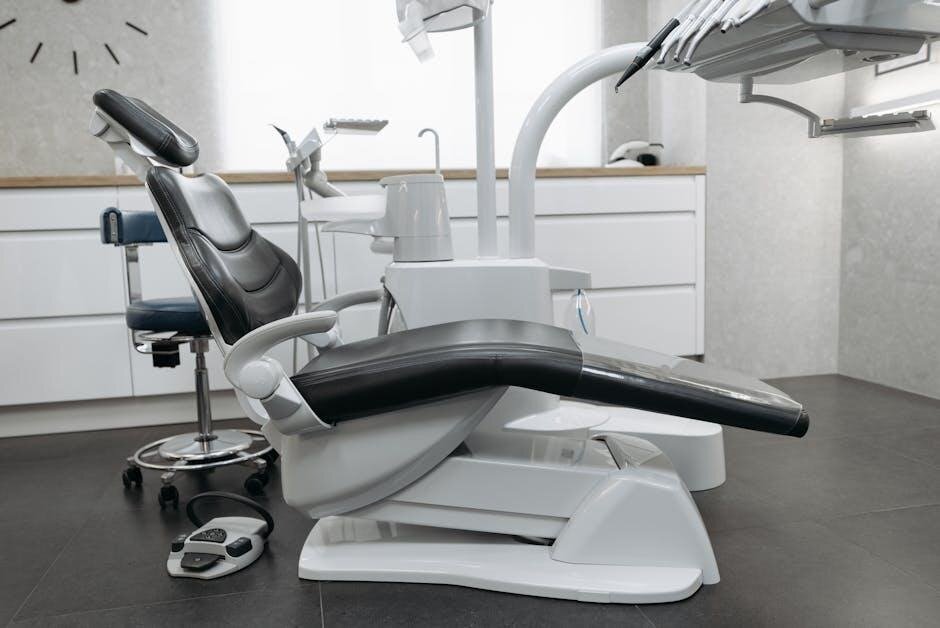
Why Pain Management Matters So Much in Dentistry
Dentistry places unique physical demands on the body. Most procedures require precision work in confined spaces while maintaining awkward postures for extended periods. Even clinicians who prioritize ergonomics still face cumulative strain from years of repetitive movement and static positioning.
Neck and upper-back pain remain some of the most common complaints among dental professionals. Constant forward head posture during chair-side work creates ongoing tension across the cervical spine and shoulders. Lower-back pain is also widespread, especially among clinicians working long clinical hours without sufficient movement between appointments.
Hand and wrist issues are equally common due to instrument handling, repetitive scaling motions, and prolonged gripping during restorative or surgical procedures. Over time, these patterns can contribute to inflammation, nerve compression, reduced mobility, and chronic discomfort.
Many dental professionals initially delay treatment because the symptoms feel manageable. However, small problems often become more difficult to address once chronic compensation patterns develop. Early evaluation usually leads to better long-term outcomes and shorter recovery periods.
Related reading on occupational dental health can also be explored through Dentaltown ergonomics and practice wellness discussions where clinicians regularly discuss the realities of physical strain in dentistry.
The Shift Toward Multidisciplinary Pain Management
Pain management today looks very different from older medication-focused models. Modern treatment plans increasingly combine several disciplines together rather than relying on one isolated intervention.
Dental professionals often benefit from coordinated care that includes physical therapy, mobility work, posture correction, diagnostic imaging, targeted injections when necessary, and ergonomic adjustments designed specifically around clinical workflows.
This multidisciplinary approach matters because dental pain patterns are rarely caused by one issue alone. A dentist with chronic neck pain may also have shoulder compensation, posture imbalance, reduced thoracic mobility, and work-related stress contributing to muscle tension. Treating only one component often produces incomplete results.
Clinicians exploring pain management services in Closter or similar specialty clinics should look for providers who evaluate the entire functional picture rather than focusing only on symptoms. The goal should be restoring comfort, improving movement quality, and helping dental professionals continue practicing without escalating physical limitations.
What Dental Professionals Should Verify Before Choosing a Pain Specialist

Selecting a provider deserves the same level of evaluation dental professionals use when choosing equipment, continuing education, or referral partners. The quality of the clinic and treatment strategy can significantly influence both recovery experience and long-term outcomes.
The first factor is specialization. A provider focused specifically on pain medicine and musculoskeletal care generally understands chronic occupational strain patterns better than a general practitioner handling occasional pain cases.
The second factor is treatment range. Clinics offering only one modality may push every patient toward the same solution. Strong multidisciplinary clinics usually combine rehabilitation, diagnostics, interventional procedures, ergonomic guidance, and movement therapy under one coordinated plan.
Scheduling flexibility also matters for busy dental teams. Evening appointments, efficient follow-up scheduling, and streamlined communication can make treatment easier to maintain alongside patient care responsibilities.
Insurance clarity should never be overlooked either. Dental professionals should verify imaging coverage, procedural costs, referral requirements, and expected out-of-pocket expenses before starting treatment. This prevents unnecessary financial surprises later in the process.
Common Pain Patterns Seen in Dentistry
Different areas of dentistry often produce different strain patterns. Hygienists frequently experience wrist, thumb, shoulder, and neck discomfort because of repetitive scaling movements and prolonged static positioning. General dentists often report upper-back fatigue, cervical strain, and lumbar tension linked to restorative and operative work.
Specialists performing surgical or microscope-based procedures may experience even greater neck and upper-body strain due to prolonged forward positioning and visual concentration.
TMJ-related tension can also appear in clinicians dealing with stress, long working hours, or chronic jaw clenching during concentration. In many cases, posture, stress, and muscular compensation patterns overlap rather than existing independently.
Clinics offering comprehensive pain management services in Closter often assess movement patterns, workstation ergonomics, daily workload, recovery habits, and overall mobility before recommending treatment. This broader evaluation helps identify contributing factors that isolated symptom treatment may miss.
Why Early Intervention Usually Produces Better Results
One of the most common mistakes dental professionals make is waiting too long before seeking help. Many clinicians continue working through discomfort for months or years because they assume pain is unavoidable in dentistry.
The problem is that compensation patterns build gradually. When one area becomes restricted or painful, the body shifts stress elsewhere. Neck tension may eventually contribute to shoulder dysfunction. Lower-back strain can alter posture and movement mechanics throughout the body.
Addressing symptoms early often reduces the need for more aggressive interventions later. Conservative approaches like physical therapy, mobility restoration, strengthening, ergonomic adjustments, and guided recovery planning tend to work best before chronic patterns fully develop.
Early treatment also helps protect productivity and career longevity. A clinician practicing with manageable discomfort today may face significantly greater limitations if those issues remain untreated for years.
The Role of Ergonomics in Long-Term Pain Reduction
Pain management for dental professionals does not stop inside the clinic. Ergonomic improvements inside the operatory frequently play a major role in long-term recovery and prevention.
Operator stool positioning, patient chair height, lighting angles, magnification systems, instrument grip design, and workflow layout all influence physical strain during procedures. Even small ergonomic adjustments can reduce repetitive stress over time.
Many specialists now encourage dental professionals to combine treatment with workflow modifications. This integrated approach supports better long-term outcomes because it addresses both symptoms and contributing work conditions simultaneously.
Discussions around dental ergonomics and occupational wellness continue growing across the industry as more clinicians recognize the importance of protecting physical health throughout their careers.
Choosing a Provider That Understands Dental Work
Not every pain specialist fully understands the physical demands of dentistry. That is why communication during the first consultation matters so much.
Dental professionals should look for providers willing to discuss clinical posture, procedure length, repetitive movements, appointment structure, and day-to-day work patterns in detail. A provider who understands how dentistry actually functions is often better positioned to create realistic treatment goals.
Clinicians exploring pain management services in Closter should prioritize providers who focus not only on symptom relief but also on helping patients maintain function, endurance, and sustainable movement during clinical work.
The right specialist should explain diagnosis clearly, outline realistic expectations, discuss conservative versus interventional pathways honestly, and create a treatment plan that fits around a demanding schedule.
Long-Term Career Health Requires Proactive Planning
Pain management is becoming an increasingly important part of long-term career planning in dentistry. Modern clinicians expect to practice longer, maintain higher patient volumes, and continue delivering precise clinical care well into later stages of their careers.
That level of longevity requires proactive attention to physical health. Waiting until discomfort becomes severe often makes recovery slower and more complicated.
A structured treatment plan, combined with ergonomic awareness, movement support, and consistent follow-up, can help dental professionals continue practicing comfortably while reducing the risk of escalating physical limitations.
The most successful outcomes usually come from early intervention, realistic expectations, and providers who understand both the clinical demands and physical realities of dental work.
Final Thoughts
Pain management for dental professionals is no longer viewed as a last resort. It has become an important part of maintaining performance, comfort, and career longevity within a physically demanding profession.
Modern multidisciplinary clinics offering pain management services in Closter demonstrate how coordinated treatment strategies can support clinicians dealing with chronic occupational strain, repetitive stress injuries, and posture-related discomfort. The best providers focus not only on reducing pain but also on helping dental professionals continue working effectively without sacrificing long-term health.
Dentistry will always require precision, focus, and physical endurance. The goal of pain management is not simply temporary relief. It is creating sustainable ways for clinicians to continue caring for patients while protecting their own health at the same time.