Understanding Modern Oral Surgery: What Patients Should Know About Advanced Dental Procedures
Over the years, I have seen many patients delay oral surgery because they feel nervous about treatment or assume the problem is not serious enough yet. In reality, many dental conditions become much more complicated when they are ignored for too long. Issues like impacted wisdom teeth, severe infections, jawbone loss, and missing teeth often require specialized care that goes beyond routine dentistry.
Modern oral surgery has improved significantly compared to older treatment methods. Today, procedures are more precise, recovery is often faster, and patient comfort is a much bigger priority. In my experience, patients are usually surprised by how manageable the process feels once they understand the treatment and know what to expect.
Clinics like Hughson Dental Implants are part of this shift toward advanced, patient-focused oral surgery care. With improved imaging technology, minimally invasive techniques, and detailed treatment planning, patients today have access to safer and more predictable outcomes than ever before.
What Oral Surgery Actually Includes
Many people think oral surgery only means tooth removal, but it covers a much wider range of procedures involving the mouth, jaw, gums, and surrounding facial structures. Depending on the patient’s condition, treatment may involve wisdom tooth extraction, dental implant placement, bone grafting, sinus lift procedures, or surgical management of infections and damaged teeth.
In many cases, oral surgery is recommended because standard dental treatment alone cannot properly solve the issue. The goal is not simply temporary relief, but restoring long-term oral health, comfort, and chewing function.
When Oral Surgery Becomes Necessary
One thing I have noticed over the years is that patients often ignore early warning signs until discomfort becomes severe. Persistent tooth pain, swelling around the gums, difficulty chewing, loose teeth, or pressure from impacted wisdom teeth are all symptoms that should not be ignored.
read more ..https://www.dentaltown.com/blogs/posts/all/category/16/oral-surgery
Missing teeth can also create long-term complications. Once a tooth is lost, the jawbone in that area may gradually begin shrinking. This bone loss can affect facial structure, bite stability, and future implant options if not addressed early.
Patients researching full-mouth implant options are often surprised to learn how important bone support is for long-term success. In some situations, procedures like bone grafting become an important step before implant treatment can begin.
Common Oral Surgery Procedures Patients Often Need
Wisdom Tooth Removal
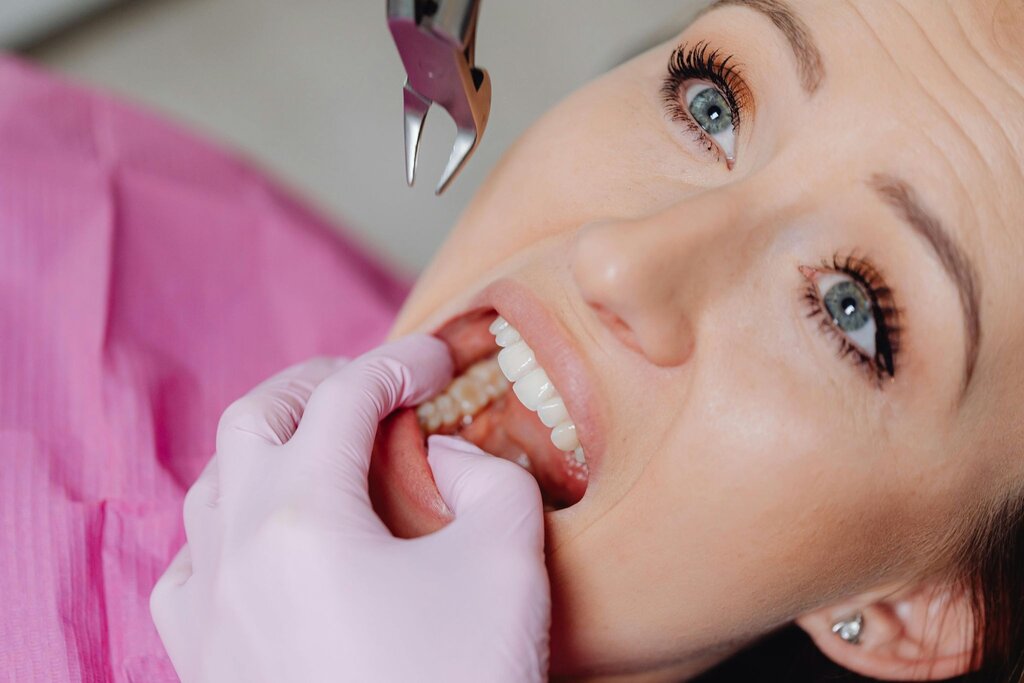
Wisdom teeth are one of the most common reasons patients are referred for oral surgery. Many people simply do not have enough space in the jaw for these teeth to erupt properly. When wisdom teeth become impacted or partially trapped under the gums, they can create pain, swelling, infections, and crowding issues.
Modern wisdom tooth removal is generally much more comfortable than many patients expect, especially with today’s anesthesia and sedation techniques.
Dental Implant Surgery
Dental implants have become one of the most reliable long-term solutions for missing teeth. In my experience, patients often appreciate implants because they restore both appearance and chewing strength in a way that feels very natural.
The procedure involves placing an implant into the jawbone, where it gradually integrates with the surrounding bone over time. Proper surgical planning and healthy bone support play a major role in long-term implant stability.
Bone Grafting and Sinus Lift Procedures
Bone grafting is commonly recommended when patients have experienced jawbone loss after missing teeth or advanced gum disease. This procedure helps rebuild bone structure and creates stronger support for future implant placement.
For upper jaw implants, some patients may also require a sinus lift procedure if there is not enough bone height available near the sinus area. These procedures have become much more predictable with modern digital imaging and treatment planning.
Why Modern Oral Surgery Feels Different Today
One of the biggest changes in oral surgery today is the focus on precision and patient comfort. Advanced digital imaging allows providers to carefully evaluate anatomy and plan procedures before surgery even begins.
Minimally invasive techniques can also help reduce tissue damage, swelling, and recovery time. Many patients who feel anxious beforehand later say the procedure was easier than they expected.
From what I have personally observed, better communication and patient education also make a major difference. When patients fully understand the procedure and recovery process, they usually feel far more comfortable moving forward with treatment.
The Importance of Choosing an Experienced Provider
Experience matters greatly in oral surgery. Every patient has different anatomy, bone structure, and oral health conditions. Careful planning and surgical precision can significantly improve healing and reduce complications.
Patients should look for providers who focus on detailed evaluations, modern technology, and personalized treatment planning rather than rushed treatment decisions. Advanced imaging, guided surgery techniques, and minimally invasive approaches have all helped improve long-term outcomes in many complex cases.
Final Thoughts
Oral surgery is no longer the overwhelming experience many people imagine. With modern techniques, improved technology, and experienced care, many procedures today are safer, more comfortable, and far more predictable than in the past.
Whether the issue involves wisdom teeth, bone loss, infections, or missing teeth, seeking treatment early often leads to easier recovery and better long-term oral health. In my experience, patients who address these problems sooner usually protect both their dental health and overall quality of life in the long run.