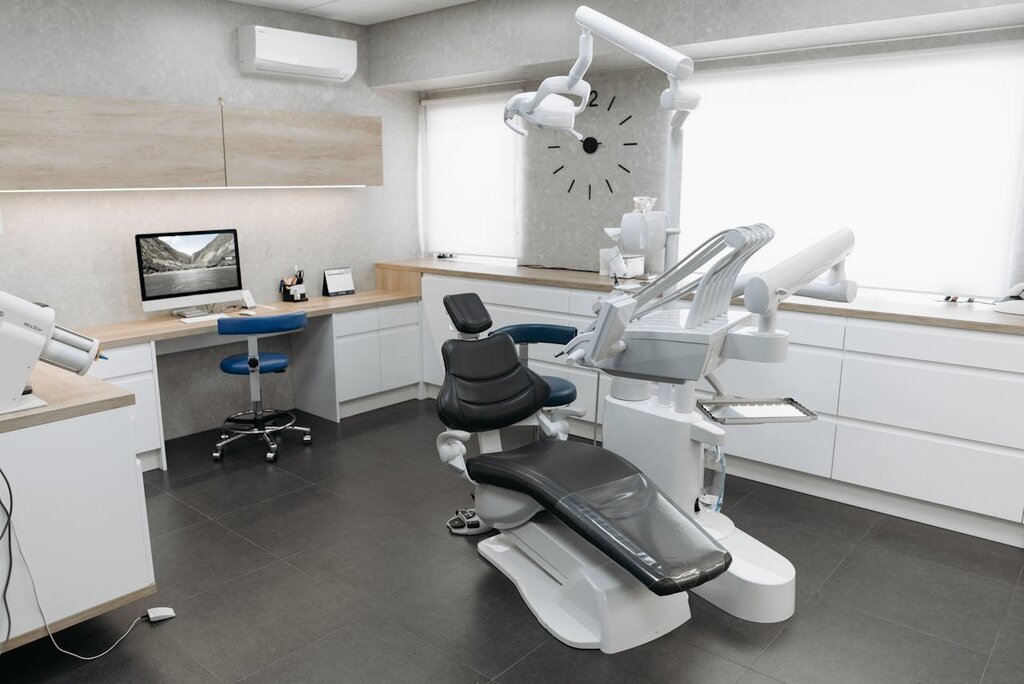
Dentistry is under pressure worldwide, but the UK's NHS-private hybrid model sits in a category of its own. Contract reforms are biting after two decades of inertia, demand is outstripping supply, and clinician recruitment is tightening across almost every region. UK dental groups are being forced to rethink how accessible, community-focused care gets delivered at scale. One Welsh group is offering a useful blueprint, operating ten practices across urban, rural and market-town settings, balancing NHS and private treatment, and treating community relationships as a core part of the model rather than a marketing afterthought.
The numbers behind the access story
The British Dental Association estimates that 14 million people, well over one in four of England's adult population, cannot access NHS dental care. The Commons Public Accounts Committee, in its April 2025 report Fixing NHS Dentistry, found that only 40 per cent of adults had seen an NHS dentist in the two years to March 2024, down from 49 per cent before the pandemic, and described efforts to improve access as having comprehensively failed. The same report flagged that 21 per cent of NHS general dentist posts in England were unfilled in 2023 to 2024.
Private and corporate dentistry has expanded into the gap, with groups including Bupa Dental Care, my dentist and Portman growing UK footprints. Multi-site group models, well established in the United States as Dental Service Organisations and increasingly visible in Australia and Europe, are now widely discussed as a practical mechanism for sharing clinical expertise and absorbing workforce risk where single-site practices are struggling. Rural and small-town practices feel this most acutely. Wales operates on its own terms, regulated by Healthcare Inspectorate Wales, with a new General Dental Services contract, the first major reform in twenty years, effective from 1 April 2026.
One example of a multi-site approach to these conditions is Knights Dental, a Welsh group operating ten practices across South Wales, from Cardiff-area locations to market-town sites in Chepstow, Brecon and the valleys. Each site delivers a mix of NHS and private care, supported by shared expertise across general dentistry, sedation, implants, cosmetic work and facial aesthetics. The footprint spans urban, rural and former-industrial geographies, the operational range that makes the model interesting from a practice-management perspective.
The pressure isn't just funding
Funding is the headline, but the operational picture beneath it is what should matter to practice owners. Recruitment is consolidating clinicians in urban centres, leaving rural and former-industrial areas struggling to fill posts. Single-site independents compete for the same scarce associates as larger groups with more developmental scaffolding to offer. Dental anxiety is a quieter access barrier on top of this; the 2021 Adult Oral Health Survey found that around 12 per cent of UK adults with natural teeth reported extreme dental anxiety, with prevalence higher among women and in more deprived populations. Delivering prevention-led care under these combined pressures asks for more systemic thinking than single practices can sustain alone.
Why is scale becoming a clinical argument?
The real case for the group model is resilience. Specialist skills in sedation, implants and orthodontics can support patients across multiple sites rather than sitting siloed wherever the right clinician is hired. Compliance frameworks (Healthcare Inspectorate Wales, the Care Quality Commission in England, and General Dental Council oversight UK-wide) are more workable when systems and protocols are shared. Investment in digital scanning, CBCT imaging and practice-management software can be amortised across a regional footprint. Structured CPD and career progression become possible in geographies where a single practice would never have the headcount to justify them. Done well, local community character is preserved at each site rather than absorbed into a generic brand.
Read also..
https://www.dentaltown.com/blog/post/24268/dental-practice-growth-strategy-that-scales
What it looks like in delivery
A working group model offers consistent dentistry and hygiene standards across NHS and private patients; sedation for patients whose anxiety has kept them out of the chair entirely; implants and cosmetic work delivered by specialists who rotate across sites; and facial aesthetics, mirroring the international trend of practices broadening into adjacent treatments. Emergency triage moves faster because group infrastructure can absorb same-day demand, and internal referral pathways reduce patient travel and waiting times.
Lessons that travel
The model is not UK-specific. DSO consolidation in the United States, group expansion in Australia, and roll-up activity across European markets run on similar logic, even where funding mechanics differ. The recurring lessons are consistent. Preserve genuine local identity at each site rather than papering over it with a single brand. Treat clinician development as a retention strategy, not a perk. Manage mixed-funding models honestly rather than pretending NHS and private provision pull in the same direction. Keep clinical governance consistent. Geography catches most groups out; running an urban site and a rural one as if they are the same business rarely works.
The operating reality ahead
UK dentistry is navigating some of the toughest operating conditions in its modern history. Funding remains contested, contract reform is bedding in, and the workforce pipeline is tight. The multi-site model is one tested route through, preserving the community character of local practices while supplying the operational resilience that single-site independents are struggling to maintain alone. For practice owners watching from the UK and further afield, the lessons from groups managing scale, workforce, and patient trust at once are more relevant than at any point in twenty years. The future of accessible dentistry may not lie in bigger practices, but in better-connected ones.