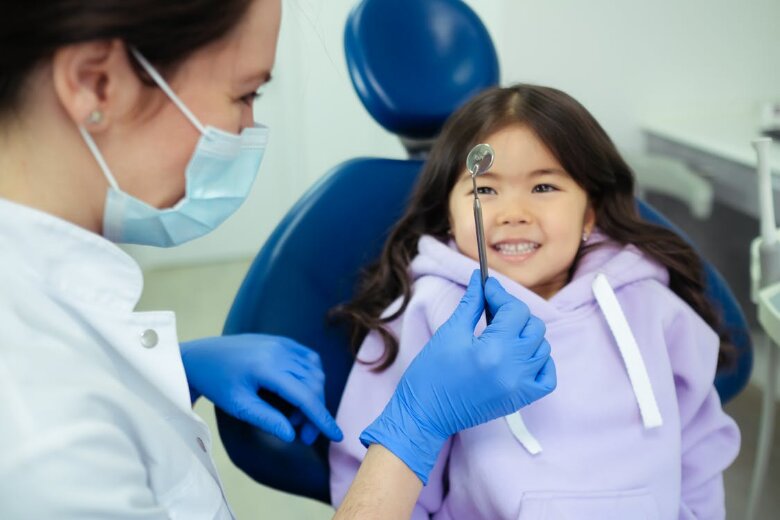
A kid usually notices the room first. They check out the chair, the light and all the sounds around them. Parents see those things and they often bring their own worries to the visit. A calm first dentist visit can make a difference in how a kid feels about going to the dentist for years.
That is why many families feel more comfortable with dentists specialized in treating kids. These dentists get how kids think, react and adjust to places. They also know how to help parents with advice that works at home. When that help starts early the whole dentist experience is easier.
Why Early Visits Help More Than Parents Expect
Many parents still assume the first dental visit can wait. They often think there is no reason to go until a child is older. That delay can let small concerns grow without anyone noticing them. Early visits give families a better start and a clearer sense of what comes next.
The American Academy of Pediatric Dentistry recommends a first visit by age one. It also recommends going within six months of the first tooth appearing. That timeline helps dentists check growth, look at early risk, and guide parents before decay starts. You can see that guidance in the AAPD recommendation for the first dental visit.
An early visit to the dentist is usually a thing and that helps kids feel safe. The dentist can take a look at how their teeth're coming in how their mouth is growing and if there are any signs of decay. Parents can ask the dentist about things like brushing teeth what their kids eat, fluoride and thumb sucking. Those first talks with the dentist often answer questions that families did not even know they had.
Dentists also use these visits to look for problems that might come up later. Some kids are more likely to have problems because they eat snacks all the time drink from bottles at bedtime or have teeth. When the dentist sees these problems early parents can make some changes to help prevent bigger problems from starting. It is often easier to do that than to deal with pain or have to go to the dentist in an emergency
Dentaltown has also talked about how important it's to take care of kids teeth early. They think it is better to try to prevent problems of waiting until there is a visible problem. That makes sense to a lot of dentists who see kids every day. Kids usually do better when they start going to the dentist before they even have any discomfort. The dentist can help kids have teeth and that is what the dentist is there, for to help kids have healthy teeth and to help parents take care of their kids teeth.tice. Children usually do better when care starts before discomfort enters the picture.
Why Baby Teeth Deserve Serious Attention
Parents sometimes hear that baby teeth do not need much concern. Since those teeth will fall out, they may seem less important. That idea can lead families to delay care or ignore small warning signs. In reality, baby teeth support daily health in several important ways.
These teeth help children chew comfortably and speak more clearly. They also hold space for adult teeth and support normal oral development. When decay affects them, the impact can reach far beyond one sore tooth. A child may stop eating well, sleep poorly, or resist brushing because it hurts.
The CDC continues to show how common childhood tooth decay remains. Many children between ages six and nine have already had cavities. A large number also still have untreated decay. You can review those findings in the CDC oral health surveillance report.
Parents often miss a few daily habits that slowly raise cavity risk. These habits feel harmless at first, yet they can add up over time. A short list makes those patterns easier to notice.
Frequent sugary drinks keep feeding harmful bacteria
.All day snacking gives teeth little time to recover
.Bedtime bottles can leave sugar on teeth for hours
.Irregular brushing lets plaque stay in hard to reach places
Parents usually respond best to advice they can use right away. Long lectures can feel heavy, especially during a busy week. A clear explanation with simple next steps is easier to follow. That kind of guidance helps families stay steady at home.
What Prevention Looks Like In Real Life
Prevention works best when it feels practical. Families need routines that fit school mornings, busy evenings, and tired children. They do not need broad warnings with no clear direction. They need a plan that feels clear and manageable.
A few habits do most of the work at home. These habits may sound basic, yet they support strong daily care. Here are the ones dentists often stress most.
.Brush twice each day with fluoride toothpaste
.Use a small amount that fits the child’s age
.Offer water between meals when possible
.Limit sticky snacks and sweet drinks
.Keep brushing part of the bedtime routine
That kind of structure helps parents know where to focus. It also makes follow through more realistic after the visit ends. Children benefit when routines stay simple and repeatable. Good habits often build from that kind of consistency.
Clinic visits add support that home care cannot fully replace. Dentists can apply fluoride varnish and monitor changes over time. They can also suggest sealants when permanent molars begin to erupt. Those steps help lower risk in ways parents cannot provide on their own.
The CDC notes that fluoride varnish can prevent many cavities in baby teeth. Sealants also help protect molars, where decay often begins. That is why preventive visits should not wait until pain appears.
Dentaltown has also shared useful reporting on preventive dentistry statistics and trends. That topic reflects a broader movement in modern care. Early checkups often support stronger habits and fewer emergency visits later. Parents tend to benefit when prevention stays at the center.
How Pediatric Dental Visits Differ From General Visits
A child’s dental visit needs a different pace and tone. Young children respond quickly to fear, confusion, and unfamiliar sounds. They also need explanations that feel simple and easy to trust. That is one reason pediatric visits often look different from adult appointments.
Pediatric dentists do more than check teeth and clean surfaces. They watch how children respond, listen, and settle during the visit. They also keep an eye on growth, habits, and signs that could need follow up. That wider view helps them shape care around the child in front of them.
Several small steps can make appointments go more smoothly.
.Showing tools before using them
.Using short words and calm explanations
.Breaking tasks into small parts
.Coaching parents during the visit
.Watching behavior as closely as the teeth
These choices may seem simple, yet they often change the whole experience. A child who feels safe is more likely to cooperate. Parents also feel calmer when they understand what is happening. That shared calm can carry into future visits as well.
Parents should expect clear explanations, not rushed instructions. They should know what the dentist sees and why it needs attention. They should also leave with advice that fits daily life at home. That kind of clarity builds trust over time.
Some children need more than a routine recall schedule. They may need closer monitoring, diet guidance, or more preventive support. Others may need attention for habits, eruption changes, or bite development. Good pediatric care adjusts early instead of waiting for a problem to grow.
Dentaltown has also explored pediatric airway treatment starting at age one. That topic shows how early visits can reveal more than cavities. Dentists may notice growth patterns or other signs that deserve a closer look. Parents benefit when those findings are explained in plain language.
What Parents Can Keep In Mind Going Forward
Pediatric dental care works best when it starts early and stays focused on prevention. Parents do not need fear based advice or a sales pitch. They need clear guidance, honest explanations, and routines they can follow at home. When children build trust early, dental visits often feel easier for everyone later.