Invisalign Vs Braces Which Option Is Better for Sugar Land Patients
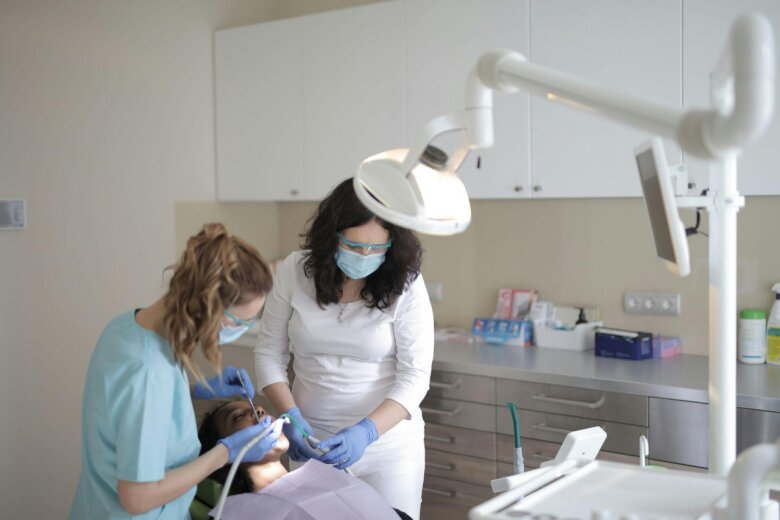
If you’re considering orthodontic treatment in Sugar Land, you might wonder whether Invisalign or traditional braces suit your needs better. Each option has its unique advantages and challenges, from appearance and comfort to treatment effectiveness. Understanding these differences is essential before making a decision that affects both your smile and lifestyle. Let’s explore what sets Invisalign and braces apart to help you find the best fit for your situation.
Understanding How Invisalign Works
Although traditional braces have been the go-to orthodontic treatment for years, Invisalign offers a modern alternative that might suit your lifestyle better. The Invisalign process involves a series of clear, custom-made aligners designed using advanced aligner technology. These aligners fit snugly over your teeth and gradually shift them into the desired position. You’ll wear each set of aligners for about one to two weeks before moving on to the next, ensuring steady progress without frequent office visits. The aligner technology allows for precise, computer-guided planning of your treatment, making it highly personalized and effective. Since the aligners are removable, you can maintain your oral hygiene routine easily, and there are no dietary restrictions. For those seeking professional guidance, consulting the best Invisalign dentist in Sugar Land ensures your treatment is expertly planned and executed. If you value discretion and convenience, understanding the Invisalign process reveals why it might be the better option for you compared to traditional braces, especially in a busy community like Sugar Land.
The Mechanics Behind Traditional Braces
While Invisalign offers a discreet and flexible approach to teeth straightening, traditional braces remain a reliable and widely used method. With braces, the process begins with bracket application, where small brackets are securely bonded to each tooth. These brackets serve as anchors for the orthodontic wires that exert constant, gentle pressure to gradually move your teeth into their desired positions.
Wire adjustments are a critical part of this treatment, typically performed every few weeks. During these visits, your orthodontist will tighten or replace wires to maintain the appropriate level of force needed for effective tooth movement. This mechanical system allows for precise control over the direction and amount of movement, making braces especially effective for complex dental corrections.
Appearance and Aesthetic Considerations
When considering orthodontic treatment, appearance plays a significant role in your decision-making process. Your aesthetic preferences will largely influence whether Invisalign or traditional braces are the better fit. Invisalign aligners are nearly invisible, offering a discreet option that minimizes visual impact. This makes them especially appealing if you’re concerned about maintaining a natural look during treatment.
On the other hand, traditional braces are more noticeable due to their metal brackets and wires. While they can be customized with colored bands, their visual impact is generally more pronounced. If you prioritize subtlety and want to avoid drawing attention to your orthodontic work, Invisalign might suit you better. However, if appearance is less of a concern and you’re focused on treatment effectiveness, braces remain a reliable choice. Understanding how these options align with your aesthetic preferences will help you make an informed decision tailored to your lifestyle and confidence.
Comfort and Convenience Factors
When choosing between Invisalign and braces, you’ll want to take into account daily wear comfort and how easy each option is to maintain and clean. Your lifestyle flexibility also plays a key role, as some treatments allow for more freedom in eating and oral care. Understanding these factors will help you decide which orthodontic solution fits best with your routine.
Daily Wear Comfort
Because comfort plays an essential role in your daily orthodontic experience, understanding how Invisalign and braces compare in wearability is important. Invisalign aligners are made from smooth, flexible plastic, designed to fit snugly over your teeth, which often results in higher comfort levels during daily wear. They avoid the irritation commonly caused by metal brackets and wires found in traditional braces. However, braces are fixed appliances, so while they may cause some initial discomfort or soreness, they don’t require removal throughout the day. Invisalign’s removable nature allows for breaks if needed, but consistent wear—typically 20 to 22 hours daily—is critical for effectiveness. Overall, if prioritizing comfort and minimal irritation during daily wear, Invisalign is generally the preferred choice for many patients in Sugar Land.
Maintenance and Cleaning
Although both Invisalign and braces require regular upkeep, the maintenance and cleaning routines differ markedly, impacting your daily convenience. With Invisalign, you’ll need to remove the aligners before eating and brush them using specific cleaning techniques like soaking in a cleansing solution or gently brushing with a soft toothbrush. This keeps your aligners clear and odor-free. On the other hand, braces require meticulous brushing and flossing around brackets and wires to prevent plaque buildup and staining. Maintenance tips for braces include using interdental brushes or floss threaders to clean hard-to-reach areas effectively. While Invisalign’s cleaning routine is straightforward, braces demand more time and attention to maintain oral hygiene. Understanding these differences helps you choose the option that fits your lifestyle and commitment to daily oral care.
Lifestyle Flexibility
Since your daily routine plays an essential role in choosing orthodontic treatment, understanding how Invisalign and braces affect lifestyle flexibility is crucial. Invisalign aligners offer greater convenience, allowing you to remove them during meals and social situations, minimizing lifestyle adjustments. This removability means you won’t have to avoid certain foods or modify your oral hygiene habits greatly. In contrast, traditional braces require more careful maintenance and restrict the types of foods you can eat, which may disrupt your daily activities. Braces are fixed, so you’ll need to be cautious in social situations, as discomfort or appearance concerns might arise. Ultimately, Invisalign tends to provide more comfort and adaptability, making it a preferable option for those seeking minimal lifestyle disruptions during treatment.
Treatment Duration Comparisons
When comparing Invisalign and braces, you’ll find that treatment duration varies based on your specific dental needs and the complexity of your case. Typically, both Invisalign and traditional braces offer similar treatment timelines, often ranging from 12 to 24 months. However, duration estimates can shift depending on the severity of your misalignment and how consistently you follow your orthodontist’s recommendations. Invisalign requires you to wear aligners for 20-22 hours daily, and failing to do so may extend your treatment time. Braces, being fixed appliances, work continuously without requiring your intervention, which can sometimes lead to more predictable timelines. Your orthodontist in Sugar Land will provide personalized duration estimates after a thorough evaluation, considering factors such as tooth movement goals and oral health. Understanding these treatment timelines helps you set realistic expectations and commit to the process that best suits your lifestyle and dental needs.
Cost Differences Between Invisalign and Braces
When considering Invisalign and braces, you’ll want to compare the initial treatment expenses carefully. Insurance coverage can also greatly affect your out-of-pocket costs for either option. Additionally, it’s important to factor in long-term financial considerations, such as follow-up visits and maintenance.
Initial Treatment Expenses
Although both Invisalign and traditional braces effectively straighten teeth, their initial treatment costs can differ markedly, which is an important consideration for Sugar Land patients. When evaluating your options, understanding the initial investment required is vital for effective financial planning. Invisalign typically demands a higher upfront cost due to advanced technology and customized aligners, while braces often have a lower initial fee but may accrue additional expenses over time. Knowing these differences helps you budget appropriately and avoid surprises. It’s essential to weigh these initial expenses against your long-term treatment goals and lifestyle preferences. By carefully considering the initial treatment expenses, you’ll be better equipped to make an informed decision that aligns with both your dental needs and financial situation.
Insurance Coverage Impact
Understanding the initial costs is just one part of the financial picture for orthodontic treatment in Sugar Land. When comparing Invisalign and braces, insurance coverage can greatly affect your out-of-pocket expenses. Different insurance policies have varying coverage limits and criteria, which may favor one treatment over the other.
Here’s what you should consider:
.Verify if your insurance policy covers orthodontic treatments.
.Check the maximum coverage limits for braces versus Invisalign.
.Understand any differences in co-payments or deductibles.
.Confirm if pre-authorization is required for either option.
.Investigate if coverage applies to adults or only minors.
Long-Term Financial Considerations
Since orthodontic treatment is a significant investment, you’ll want to weigh the long-term financial implications of choosing Invisalign versus traditional braces. While Invisalign often comes with a higher upfront cost, its potential for shorter treatment times and fewer emergency visits can translate into long term savings. Braces generally have a lower initial price but might require more frequent adjustments, which can add to overall expenses. Effective financial planning involves evaluating not just the sticker price but also maintenance, follow-up care, and possible retainer costs. By carefully considering these factors, you can select the option that aligns best with your budget and lifestyle. Consulting with your orthodontist about detailed cost breakdowns will help you make an informed decision, ensuring financial peace of mind throughout your treatment.
Effectiveness for Various Dental Issues
When deciding between Invisalign and braces for your dental treatment in Sugar Land, it’s important to evaluate how each option addresses different dental issues. An effectiveness comparison helps you understand which method suits your specific needs. Invisalign works well for mild to moderate misalignments, while braces often excel in more complex cases. A thorough dental issue assessment by your orthodontist will guide you toward the best choice.
Consider these factors in your decision:
. Invisalign effectively treats crowding and spacing issues.
. Braces are superior for severe bite problems like overbites and underbites.
. Invisalign may be less effective for significant tooth rotations.
.Braces provide consistent pressure, ideal for complex tooth movements.
. Both methods can improve overall dental alignment but vary in treatment duration.
Maintenance and Oral Hygiene Requirements
Anyone choosing between Invisalign and braces should consider the maintenance and oral hygiene requirements of each option. With Invisalign, you’ll need to remove the aligners before eating or drinking anything other than water, then clean both your teeth and the trays thoroughly. This routine helps prevent plaque buildup and staining. Daily oral hygiene tips include brushing and flossing after every meal before reinserting the aligners.
Braces, on the other hand, require careful cleaning around brackets and wires. Food particles can easily get trapped, so you’ll need specialized tools like interdental brushes or floss threaders to maintain proper oral hygiene. Your maintenance routines will also include regular orthodontic check-ups to adjust wires and brackets.
Both options demand commitment to oral care, but Invisalign offers simpler cleaning routines, while braces require more meticulous attention. Understanding these differences helps you choose the method that best fits your lifestyle and oral hygiene habits in Sugar Land.
Dietary Restrictions and Lifestyle Impact
When choosing between Invisalign and braces, you’ll notice key differences in how each affects your eating habits. Braces often require you to avoid certain hard or sticky foods, while Invisalign allows more flexibility since you remove the aligners during meals. Understanding these lifestyle impacts will help you decide which option fits best with your daily routine.
Eating Habits Differences
Although both Invisalign and traditional braces aim to straighten your teeth, they differ considerably in how they affect your eating habits. With Invisalign, you can remove the aligners during meals, offering more flexibility in your food choices and snacking habits. Traditional braces require avoiding certain foods to prevent damage, impacting your dietary preferences and meal planning.
Consider these key differences:
. Invisalign allows unrestricted food choices since aligners are removed before eating.
.Braces necessitate avoiding hard, sticky, or chewy foods to protect brackets and wires.
. Snacking with braces demands caution to prevent food getting trapped.
.Meal planning with braces often involves softer, less abrasive options.
.Invisalign requires you to clean teeth and aligners after every meal to maintain hygiene.
.Understanding these differences helps tailor your diet during treatment.
Daily Routine Adjustments
Adjusting your daily routine to accommodate either Invisalign or traditional braces involves more than just modifying your diet. With braces, you’ll need to dedicate extra time to thorough cleaning, including special tools to remove food particles and prevent plaque buildup. This requires consistent effort and careful brushing techniques. Invisalign offers easier maintenance since you remove the aligners before eating and cleaning, but you must commit to wearing them for 20-22 hours daily to guarantee effectiveness. Both options may impact your lifestyle, requiring you to plan meals and oral hygiene around your orthodontic care. These daily routine adjustments and lifestyle modifications are essential to achieve ideal results and maintain oral health throughout your treatment in Sugar Land.
Choosing the Right Orthodontic Option for You
How do you determine which orthodontic option best suits your needs? Choosing between Invisalign and braces depends largely on your patient preferences and treatment goals. Consider factors like your lifestyle, aesthetic concerns, and the complexity of your dental issues. Consulting with your Sugar Land orthodontist will help clarify which method aligns with your specific situation.
Here are key points to evaluate:
1.Treatment duration and effectiveness for your dental condition
2.Visibility and impact on your daily appearance
3.Comfort and ease of maintenance
4.Dietary restrictions and oral hygiene requirements
5.Cost and insurance coverage options
Frequently Asked Questions
Are Invisalign or Braces Covered by Insurance in Sugar Land?
Insurance coverage for Invisalign and braces varies in Sugar Land, so you should check your specific plan. Many providers offer flexible payment options to help manage costs, making orthodontic treatment more accessible for you.
Can Invisalign or Braces Affect Speech During Treatment?
Yes, both Invisalign and braces can temporarily affect your speech clarity, especially early in treatment. Invisalign might cause slight lisps initially, but these usually improve quickly, while braces may impact speech less but have a longer treatment duration.
What Age Is Best to Start Invisalign or Braces?
The ideal age to start braces or Invisalign is typically between 10-14 years, when most permanent teeth have erupted. Treatment duration varies, but earlier intervention often shortens it, improving overall orthodontic outcomes.
Are There Any Risks of Allergic Reactions With Invisalign or Braces?
Yes, you could experience an allergic response to materials in braces or Invisalign. Material sensitivity is rare but possible, so inform your orthodontist about any allergies to guarantee safe, customized treatment without complications.
How Often Are Orthodontic Check-Ups Needed for Invisalign Versus Braces?
You’ll typically need orthodontic check-ups every 4-6 weeks for braces, while Invisalign check-up frequency might be slightly less. Both options depend on your treatment duration, so your orthodontist will tailor visits to guarantee ideal progress.