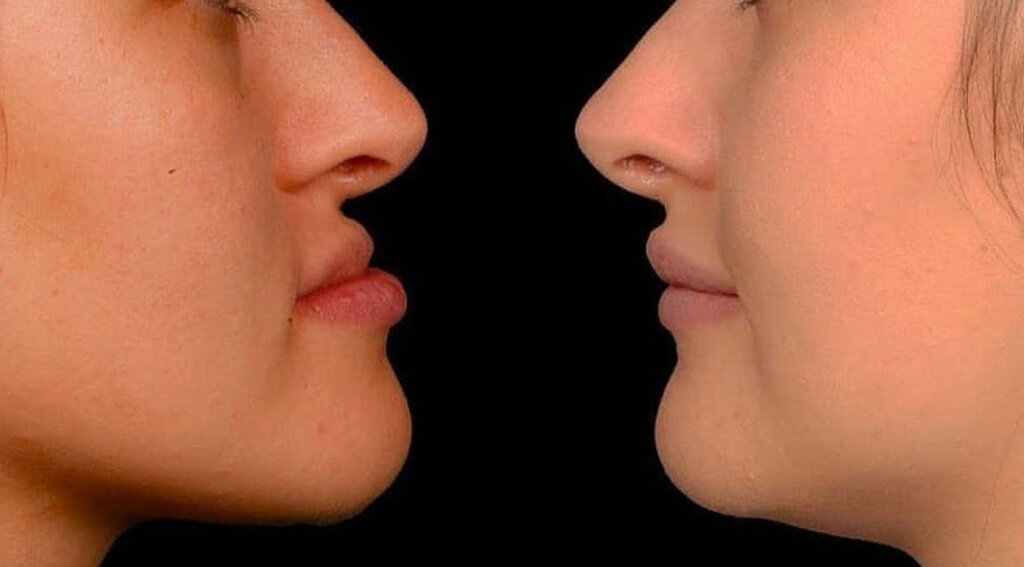
Orthognathic jaw surgery is a corrective procedure used to fix jaw alignment problems. It is recommended when the upper and lower jaws do not fit together properly. These issues can affect chewing, speaking, breathing, and facial balance. In many cases, braces alone are not enough to correct severe jaw differences. Surgery helps reposition the jaw bones so they work in harmony. This type of treatment is often planned carefully and takes time. It usually involves coordination between dental specialists and surgeons. Many patients begin with braces before surgery and continue treatment afterward. When combined with proper orthodontist care, jaw surgery can improve both function and appearance in a long-lasting way.
What Is Orthognathic Jaw Surgery?
Orthognathic jaw surgery is performed to move the jaw into a better position. The surgeon adjusts the jaw bones so the teeth align correctly. This helps improve how the mouth functions and supports facial symmetry. The surgery can involve the upper jaw, the lower jaw, or both. The exact approach depends on the patient’s condition, and each plan is customized to meet individual needs.
Who May Need Jaw Surgery?
Jaw surgery is usually recommended for people with severe bite problems. These may include overbites, underbites, crossbites, or open bites that cannot be corrected with braces alone. Some patients experience chronic jaw pain or difficulty chewing. Others struggle with speech issues or breathing problems. Facial imbalance caused by jaw position can also be a reason for surgery. Jaw surgery is typically done after jaw growth is complete, which usually means late teens or adulthood.
Benefits of Orthognathic Jaw Surgery
One major benefit is improved bite function. After surgery, the teeth come together properly, making chewing easier and more comfortable. Speech clarity often improves because the jaw and tongue move more naturally. Many patients also notice relief from jaw pain or muscle strain. Breathing may improve, especially for people with airway issues related to jaw position. Facial balance and appearance can also be enhanced, which may boost confidence. These benefits often last a lifetime with proper follow-up care.
Risks and Possible Complications
Like any surgical procedure, orthognathic jaw surgery carries some risks. Swelling and discomfort are common after surgery, but these effects are temporary and improve with time. There is a small risk of infection or bleeding. Nerve irritation may cause temporary numbness in the lips or chin, and in rare cases, numbness can last longer. Careful planning and following post-surgery instructions help reduce risks.
What to Expect During Recovery
Recovery from jaw surgery takes time and patience. The first few weeks focus on healing and rest. Swelling usually peaks within the first few days and then gradually decreases. Patients are often advised to follow a soft or liquid diet at the beginning to protect the jaw as it heals. Gradual return to normal foods happens over several weeks. Pain is usually managed with prescribed medication, and most people can return to work or school within a few weeks depending on recovery progress.
The Role of Braces before and After Surgery
Braces play an important role in jaw surgery treatment. Before surgery, braces help align the teeth so they fit correctly once the jaw is repositioned. After surgery, braces fine-tune the bite and ensure long-term stability. This combined approach ensures that both jaw position and tooth alignment are corrected properly for the best outcome.
Long-Term Results and Follow-Up Care
Orthognathic jaw surgery offers long-term benefits when combined with proper follow-up. Regular dental visits help maintain results and monitor healing. Good oral hygiene is important during and after treatment. Wearing retainers as advised helps keep teeth in position. Most patients report improved comfort, function, and confidence after completing treatment.
Final Thoughts
Orthognathic jaw surgery is a powerful solution for severe jaw alignment problems. It improves chewing, speech, breathing, and facial balance. While the process requires commitment and recovery time, the results are often life changing. With careful planning, skilled professionals, and proper follow-up, jaw surgery can provide stable and lasting improvements in oral health and daily comfort.