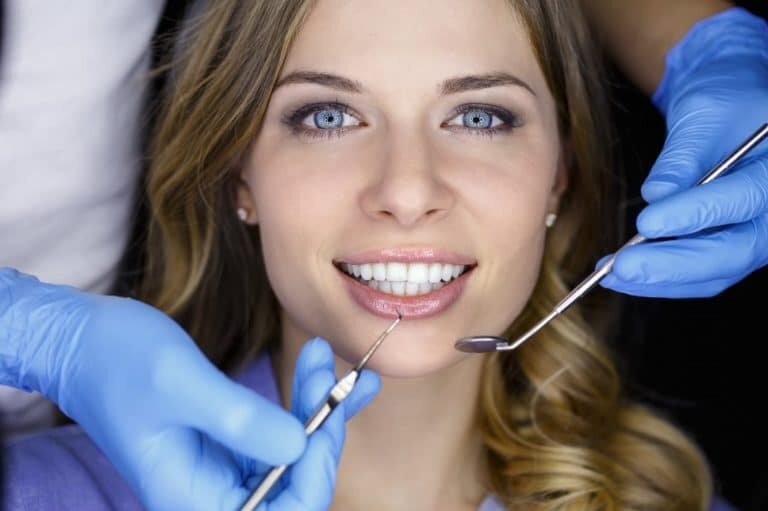
Few things make people feel more self-conscious than teeth that have yellowed or dulled over the years, and few improvements feel as rewarding as getting that brightness back. Whitening is now one of the most popular cosmetic dental services there is, but the range of options, from drugstore strips to professional treatments, can be confusing. Knowing how whitening works makes it much easier to pick the right approach and set realistic expectations.
Why teeth change color
Teeth discolor for several reasons. Surface stains build up from coffee, tea, red wine, and tobacco, settling into the enamel over time. Deeper discoloration can come from aging, as the bright outer enamel thins and reveals the naturally yellower layer beneath, and from certain medications or an old injury to a tooth. Understanding the cause matters, because surface stains respond beautifully to whitening while some deeper or medication-related discoloration does not, and may be better addressed with other cosmetic options.
This is also why results vary from person to person. Whitening works wonderfully on natural yellowing, but it does not change the color of fillings, crowns, or veneers, which can leave them looking mismatched if they are in visible spots.
Professional versus over-the-counter
Store-bought whitening strips, gels, and toothpastes can produce modest improvements, and they are inexpensive and convenient. Their weaker concentrations mean slower, more limited results, and misusing them can irritate the gums or increase sensitivity. Professional whitening, whether done in the office in a single visit or with custom take-home trays, uses stronger, carefully controlled formulas and typically delivers faster, more dramatic, and more even results.
A professional approach also comes with something the drugstore cannot offer: supervision. A dental exam first ensures that the discoloration is not masking decay or a problem that whitening would only aggravate, and a dentist can protect your gums and manage sensitivity along the way. Custom trays fit precisely, which spreads the gel evenly and keeps it off the soft tissue.
The safest first step is a conversation. Visiting a dentist near me for a whitening consultation lets you find out what is causing your discoloration, whether whitening is the right fix, and which method will give you the results you are hoping for without unnecessary sensitivity.
Making your results last
Whitening is not permanent, and how long it lasts depends largely on habits. The same foods and drinks that stained your teeth in the first place, coffee, tea, red wine, and dark sauces, will gradually dull the results, and tobacco does so quickly. You do not have to give these up, but rinsing with water afterward, using a straw for dark drinks, and staying consistent with brushing all help preserve the brightness. Many people maintain their results with occasional touch-ups, which are easy with custom take-home trays.
Sensitivity is the other thing to plan for. It is common to feel some temporary sensitivity during or after whitening, as the process momentarily opens the channels in the enamel. This usually fades within a day or two. Using a toothpaste made for sensitive teeth in the weeks around treatment, avoiding very hot or cold foods briefly, and not over-whitening all keep discomfort to a minimum. A professional approach makes this easier to manage, because your provider can adjust the strength and pace to your comfort.
It is also worth being realistic about what whitening can and cannot do. It brightens natural tooth enamel beautifully, but it will not lighten crowns, veneers, or fillings, and it does not correct the shape or alignment of teeth. Whitening also has limits, and chasing an unnaturally bright shade can lead to sensitivity and a look that seems artificial. A gradual, well-guided approach that aims for a natural, healthy brightness tends to leave people far happier than pushing for the whitest possible result. When discoloration runs deeper than whitening can reach, options like bonding or veneers may be the better path.
A whiter smile is very achievable, but the smartest path is an informed one. Start by understanding what is dulling your teeth, choose a method matched to that cause, and lean on professional guidance when you want faster or more reliable results. Whitening is safe and effective when it is done thoughtfully, and the boost in confidence that comes with a brighter, healthier-looking smile is well worth getting right the first time.