Preventive dentistry has long been considered the foundation of oral healthcare. While restorative procedures often receive the most attention, the greatest long-term benefits frequently come from identifying and addressing problems before they require extensive treatment. For patients in Tucson and throughout the country, preventive dental care remains one of the most effective strategies for preserving oral health, reducing costs, and minimizing the need for complex procedures later in life.
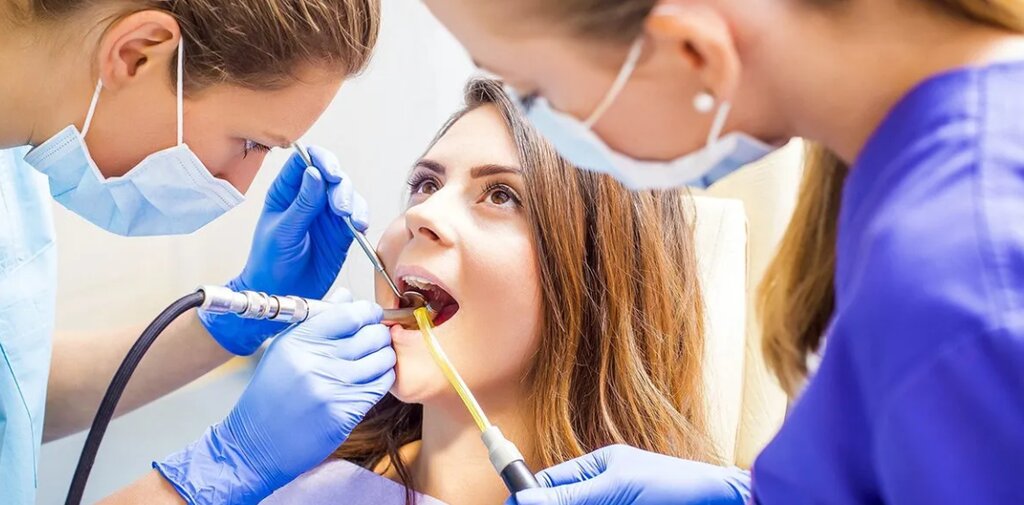
Advances in diagnostic technology, risk assessment, and patient education have transformed the way dental professionals approach prevention. Rather than simply treating disease after it develops, modern dentistry increasingly focuses on detecting early signs of oral health issues and implementing measures to stop progression before significant damage occurs.
Understanding Preventive Dentistry
Preventive dentistry encompasses a wide range of services and practices designed to maintain healthy teeth, gums, and supporting structures. The primary goal is to reduce the likelihood of oral disease and preserve natural dentition whenever possible.
Preventive care generally includes:
a) Routine dental examinations
b) Professional cleanings
c) Oral cancer screenings
d) Diagnostic imaging
e) Fluoride treatments
f) Sealants
g) Periodontal evaluations
h) Patient education
e) Nutritional counseling
When these services are combined with effective home care, patients often experience fewer restorative needs over time.
Why Dental Disease Often Goes Unnoticed
One of the challenges in oral healthcare is that many dental conditions develop gradually and without obvious symptoms.
Dental caries may progress for months before discomfort occurs. Similarly, periodontal disease can advance significantly before patients recognize signs such as bleeding gums or tooth mobility.
Many individuals assume that the absence of pain indicates the absence of disease. Unfortunately, this misconception often leads to delayed treatment and more extensive intervention.
Regular visits to a dentist allow clinicians to identify subtle changes that patients may not notice on their own.
These may include:
a) Early enamel demineralization
b) Small interproximal cavities
c) Gingival inflammation
d) Bone loss
e) Occlusal wear
f) Fractured restorations
g) Soft tissue abnormalities
Identifying these concerns early frequently results in simpler and more conservative treatment options.
The Financial Benefits of Prevention
Preventive care is often the most cost-effective component of dentistry.
Consider the progression of untreated decay. A small area of enamel demineralization may require little more than monitoring and preventive intervention. If decay progresses into dentin, a filling may become necessary. Continued progression can lead to root canal therapy, crown placement, or even extraction and replacement.
The difference in cost between preventive management and advanced restorative treatment can be substantial.
Similarly, periodontal disease that is addressed during its earliest stages often requires far less treatment than advanced disease involving significant bone loss and tooth mobility.
Prevention reduces not only financial costs but also the time, discomfort, and complexity associated with extensive dental procedures.
Professional Dental Cleanings and Their Impact
Even patients with excellent oral hygiene habits accumulate plaque and calculus in areas that are difficult to clean effectively.
Professional dental cleanings help remove these deposits before they contribute to disease progression.
Benefits of routine cleanings include:
a) Reduced gingival inflammation
b) Lower risk of periodontal disease
c) Removal of stain accumulation
d) Improved oral hygiene effectiveness
e) Early identification of oral health concerns
Cleanings also provide an opportunity for clinicians to evaluate changes in oral health since previous visits.
These appointments often reveal developing issues before symptoms occur.
The Importance of Periodontal Health
Periodontal disease remains one of the leading causes of tooth loss among adults.
The condition begins with gingival inflammation caused by bacterial plaque accumulation. Without intervention, inflammation can progress to deeper structures supporting the teeth.
As periodontal disease advances, patients may experience:
a) Bleeding gums
b) Gum recession
c) Bone loss
d) Tooth mobility
e) Chronic inflammation
f) Eventual tooth loss
Routine periodontal evaluations allow dental professionals to monitor gum health and identify early signs of disease.
When periodontal concerns are addressed promptly, treatment is often significantly less invasive and more predictable.
Oral Cancer Screening and Early Detection
Oral cancer screenings are an essential component of preventive dental care.
Many oral cancers develop in areas that patients rarely examine themselves. Early lesions may not cause pain or obvious symptoms.
During routine examinations, dental professionals evaluate:
a) Tongue tissues
b) Floor of the mouth
c) Cheeks
d) Palate
e) Lips
f) Oropharyngeal structures
Early detection dramatically improves treatment outcomes and survival rates.
This is one reason regular examinations remain important even for patients who no longer experience cavities or restorative concerns.
The Relationship Between Oral Health and Systemic Health
Research continues to strengthen the connection between oral health and overall health.
Chronic inflammation associated with periodontal disease has been linked to several systemic conditions, including:
a) Cardiovascular disease
b) Diabetes
c) Respiratory disease
d) Adverse pregnancy outcomes
While oral disease does not necessarily cause these conditions, evidence suggests significant interactions between systemic health and oral health.
Preventive dental care plays an important role in maintaining overall wellness by reducing chronic oral inflammation and supporting healthy tissues.
Diagnostic Technology and Early Intervention
Modern dental practices utilize advanced technology to identify problems earlier than ever before.
Digital radiography allows clinicians to detect:
a) Interproximal decay
b) Bone loss
c) Impacted teeth
d) Periapical pathology
e) Structural abnormalities
Intraoral imaging and magnification further enhance diagnostic accuracy.
These technologies support a preventive approach by helping clinicians identify concerns before they become symptomatic.
Earlier diagnosis often translates into more conservative treatment and improved long-term outcomes.
Patient Education as a Preventive Tool
Successful prevention requires active patient participation.
Dental professionals play a critical role in helping patients understand risk factors and develop effective habits.
Common educational topics include:
Oral Hygiene Techniques
Many patients brush regularly but may not use the most effective techniques.
Instruction often focuses on:
a) Proper brushing methods
b) Flossing techniques
c) Interdental cleaning devices
d) Oral hygiene product selection
Dietary Habits
Frequent exposure to sugars and acidic foods can increase the risk of decay and erosion.
Nutritional discussions often address:
a) Beverage choices
b) Snack frequency
c) Hidden sugars
d) Acidic food consumption
Lifestyle Factors
Certain lifestyle habits contribute significantly to oral health risks.
Examples include:
a) Tobacco use
b) Excessive alcohol consumption
c) Bruxism
d) Poor hydration
e) Inadequate home care
Addressing these factors can reduce future treatment needs substantially.
Prevention Across Every Stage of Life
Preventive dentistry benefits patients of all ages.
Children
Preventive care supports healthy development, cavity prevention, and proper eruption patterns.
Adolescents
Monitoring orthodontic development and reinforcing oral hygiene become particularly important.
Adults
Routine maintenance helps preserve natural teeth and prevent periodontal disease.
Older Adults
Preventive care supports management of age-related concerns such as root caries, dry mouth, and restorative maintenance.
Each stage of life presents unique challenges that benefit from ongoing professional evaluation.
The Long-Term Value of Preventive Care
The most successful dental outcomes are often those that require the least intervention.
Patients who maintain consistent preventive care frequently experience:
a) Fewer cavities
b) Reduced periodontal disease
c) Lower treatment costs
d) Better oral function
e) Improved aesthetics
f) Greater long-term tooth retention
Rather than waiting for symptoms to appear, preventive dentistry focuses on identifying risk factors and addressing concerns before significant damage occurs.
For patients seeking a dentist near me, preventive care should remain a primary consideration when evaluating long-term oral health strategies. Regular examinations, professional cleanings, patient education, and early intervention provide a foundation that can help preserve natural teeth and reduce the need for complex restorative treatment for years to come.