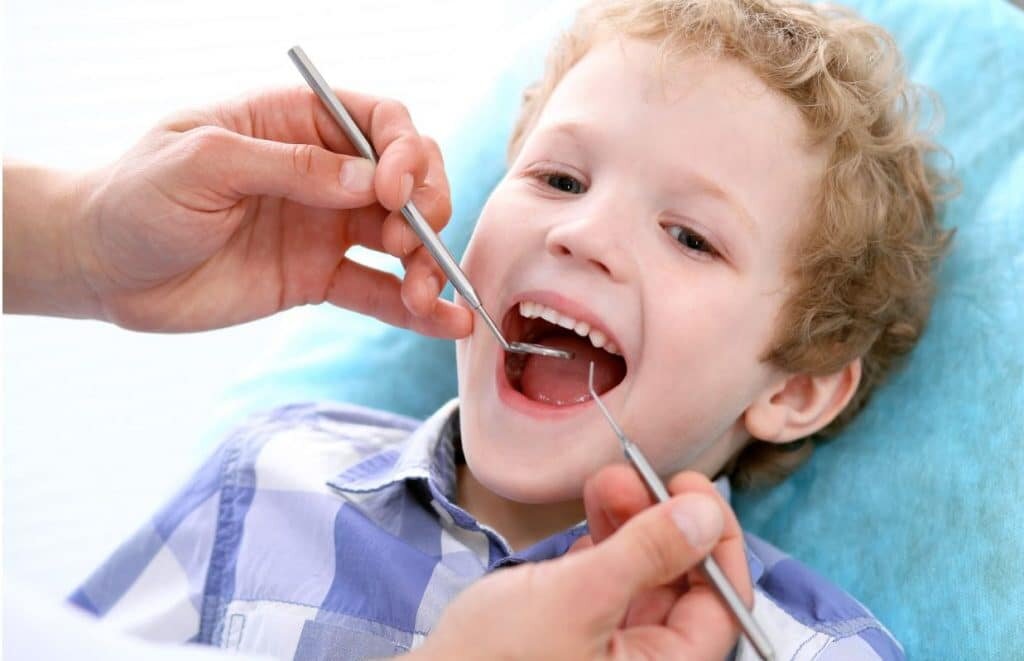
Many parents assume a child does not need to see a dental professional until all primary teeth have erupted or a problem develops. Research and clinical experience suggest the opposite. Early dental visits provide an opportunity to identify developmental concerns, establish preventive habits, and reduce the likelihood of more complex dental issues later in life. For families in Murphy and surrounding communities, understanding the value of early preventive care can have a lasting impact on a child's oral health.
The American Academy of Pediatric Dentistry recommends that children establish a dental home by their first birthday or within six months of the eruption of their first tooth. While this recommendation has existed for years, many children still do not receive professional dental care until preschool age or later. By that time, preventable conditions such as early childhood caries may already be present.
The Importance of Establishing a Dental Home
A dental home serves as a consistent source of oral healthcare throughout childhood. Similar to a pediatrician monitoring a child's growth and development, a dental professional monitors oral development, eruption patterns, and preventive needs.
When a child regularly visits a pediatric dentist, the provider can establish baseline records and identify subtle changes before they become significant problems. Regular examinations allow clinicians to evaluate:
a) Tooth eruption patterns
b) Jaw development
c) Oral habits such as thumb sucking
d) Signs of enamel defects
e) Early tooth decay
f) Soft tissue abnormalities
g) Oral hygiene effectiveness
Developing a relationship with a dental office at a young age also helps children become comfortable with dental care. Familiarity often reduces anxiety and creates positive experiences that can influence future attitudes toward oral health.
Understanding Early Childhood Caries
Early childhood caries remains one of the most common chronic diseases affecting children. Despite advances in preventive dentistry, tooth decay continues to impact millions of children each year.
One reason decay develops so quickly in young patients is that primary teeth have thinner enamel than permanent teeth. Once bacteria begin producing acids that attack tooth structure, progression can occur rapidly.
Several risk factors increase susceptibility to early childhood caries:
Frequent Exposure to Sugary Drinks
Juice, flavored milk, sports drinks, and sweetened beverages expose teeth to sugars that feed cavity-causing bacteria. Even drinks marketed as healthy alternatives can contribute to decay when consumed frequently throughout the day.
Prolonged Bottle Use
Children who routinely fall asleep with bottles containing milk, juice, or other sweetened liquids may develop widespread decay on upper front teeth. This pattern is commonly associated with prolonged nighttime bottle feeding.
Inadequate Oral Hygiene
Many parents underestimate how early brushing should begin. Cleaning the gums before tooth eruption and brushing immediately after the first tooth appears helps reduce bacterial accumulation.
Family History
Research has demonstrated that children often acquire cavity-causing bacteria from parents and caregivers. Families with a history of significant dental disease may face increased risk without appropriate preventive measures.
The Role of Preventive Dentistry
Preventive dentistry focuses on reducing disease before treatment becomes necessary. For young children, preventive care often produces substantial long-term benefits.
Fluoride Therapy
Professional fluoride applications strengthen enamel and increase resistance to acid attacks. Fluoride can help reverse very early stages of demineralization before cavities develop.
For children who are at moderate or high risk for decay, fluoride treatments may be recommended at regular intervals.
Dental Sealants
Although sealants are most commonly placed on permanent molars, evaluating eruption timing and future sealant needs is an important component of preventive care planning.
The deep grooves found on chewing surfaces can trap bacteria and food particles, making them vulnerable to decay. Sealants provide a protective barrier that reduces this risk.
Nutritional Counseling
Dietary habits established during childhood frequently continue into adulthood. Educating families about healthy food choices can significantly reduce cavity risk.
Discussions often focus on:
a) Limiting sugary snacks
b) Reducing frequent snacking
c) Choosing water over sweetened beverages
d) Understanding hidden sugars
e) Developing healthy school lunch habits
Monitoring Oral Development
One of the most valuable aspects of early dental visits involves monitoring growth and development.
Children's mouths change rapidly during the first decade of life. Regular evaluations allow clinicians to identify developing concerns involving teeth, jaws, and facial structures.
Space Maintenance
Primary teeth serve an important purpose beyond chewing. They maintain space for future permanent teeth.
When a baby tooth is lost prematurely because of decay or trauma, neighboring teeth may drift into the empty space. This can create crowding and alignment issues later.
Identifying these situations early may allow for intervention before more significant orthodontic concerns develop.
Bite Development
Crossbites, open bites, and other occlusal abnormalities may become apparent during early childhood.
Certain bite problems respond more favorably when identified during periods of active growth. Early detection allows clinicians to determine whether observation, intervention, or referral is appropriate.
Oral Habits
Thumb sucking, prolonged pacifier use, tongue thrusting, and mouth breathing can influence facial growth and tooth positioning.
Regular examinations help determine whether these habits are affecting development and whether intervention may be beneficial.
Educating Parents About Home Care
Successful pediatric dentistry extends beyond the dental office. Parents play the most significant role in maintaining a child's oral health.
Routine appointments provide opportunities to discuss:
Brushing Techniques
Children often lack the dexterity needed for effective brushing until approximately age seven or eight.
Parents should assist with brushing and monitor technique to ensure all tooth surfaces are cleaned properly.
Flossing Habits
Once teeth begin touching, flossing becomes an important component of oral hygiene. Demonstrating proper flossing techniques helps families establish effective routines.
Injury Prevention
Dental trauma is common among active children.
Parents benefit from guidance regarding:
a) Mouthguard use during sports
b) Emergency management of dental injuries
c) When to seek immediate care
d) Protecting developing permanent teeth
Reducing Dental Anxiety
Dental anxiety frequently begins during childhood. Positive early experiences can significantly influence how patients perceive dental care throughout their lives.
Children who become familiar with routine examinations often view dental visits as a normal part of healthcare rather than a stressful event.
Strategies that contribute to positive experiences include:
a) Age-appropriate communication
b) Consistent preventive visits
c) Positive reinforcement
d) Gradual introduction to dental procedures
e) Child-friendly educational approaches
When children develop trust and confidence early, they are more likely to maintain regular dental care into adulthood.
The Connection Between Oral Health and Overall Health
Growing evidence continues to support the relationship between oral health and systemic health.
Pain, infection, and untreated dental disease can affect:
a) Sleep quality
b) School performance
c) Nutritional intake
d) Speech development
e) Self-confidence
f) Overall quality of life
Children experiencing dental pain often struggle with concentration, eating habits, and daily activities. Preventive care helps reduce these risks while supporting healthy development.
Looking Beyond Childhood
The habits formed during the first years of life frequently shape long-term oral health outcomes. Children who learn proper oral hygiene techniques, maintain regular dental visits, and receive preventive care often carry these behaviors into adolescence and adulthood.
Early dental visits provide more than cavity detection. They create opportunities for education, prevention, growth monitoring, and relationship building. By identifying concerns early and promoting healthy habits, dental professionals can help children avoid many of the oral health challenges that become more difficult and costly to address later.
For families seeking guidance from a pediatric dentist, early preventive care remains one of the most effective investments in a child's long-term oral health. Establishing a strong foundation during childhood can contribute to healthier smiles, reduced treatment needs, and improved overall wellbeing for years to come.