The teenage years mark a critical window for orthodontic intervention, with the American Association of Orthodontists reporting that most treatment begins between ages 9 and 14 when facial growth is still occurring. Yet beyond the clinical mechanics of moving teeth, something more profound happens during these formative years — the psychological transformation that comes with improving one's smile during adolescence can reshape self-perception in ways that extend far beyond the treatment period.
As social media amplifies appearance-consciousness among today's teens and peer relationships become increasingly central to identity formation, orthodontic treatment has evolved from a purely functional intervention to one that addresses both physical and emotional well-being. The stakes are particularly high during adolescence, when self-esteem is fragile and social acceptance feels paramount. Understanding how braces work — not just mechanically, but psychologically — helps families make informed decisions about treatment timing and approach during these crucial developmental years.
How Do Braces Work for Teens and What to Expect in Treatment
Orthodontic treatment during adolescence capitalizes on the natural growth spurts that occur throughout the teenage years. Braces apply continuous, gentle pressure to gradually shift teeth into proper alignment, but in teens, this process works in harmony with ongoing jaw development and facial maturation. The biological response is more predictable than in adults because the supporting bone structures are still actively remodeling.
Most teen orthodontic treatment follows a three-phase timeline. The initial phase involves placing the braces and beginning the alignment process — typically the most uncomfortable period as teeth start their journey toward new positions. This phase usually lasts 6-8 months, during which teens experience the most noticeable changes and adapt to speaking and eating with their new appliances.
The active treatment phase constitutes the bulk of the process, generally lasting 18-24 months for most cases. During this period, orthodontists make regular adjustments every 4-8 weeks, fine-tuning the pressure and direction of tooth movement. Teens often find this phase easier to manage as they've adapted to their braces and can see visible progress in their smile.
Consider a 14-year-old starting treatment with crowded front teeth and a crossbite — by month six, family photos show noticeably straighter teeth, and by the one-year mark, the transformation becomes dramatic enough that friends and extended family comment on the improvement. This visible progress becomes a powerful motivator for teens to maintain good oral hygiene and follow their orthodontist's guidelines.
The final phase involves retention, where removable or fixed retainers maintain the new tooth positions while the surrounding bone fully stabilizes. This phase is critical because teenage bone tissue, while responsive to movement, also has a tendency to revert to original positions without proper retention protocols.
What Types of Braces Are Best for Teenagers
Teen patients today have more orthodontic options than any previous generation, but choosing the right approach requires balancing effectiveness, aesthetics, lifestyle factors, and treatment complexity. The decision often comes down to how each option fits with a teen's social concerns, activity level, and commitment to treatment protocols.
Pros and Cons of Traditional and Ceramic Braces
Traditional metal braces remain the gold standard for comprehensive orthodontic treatment, particularly for complex cases involving significant bite correction or jaw alignment issues. Modern metal braces are smaller and more comfortable than previous generations, and many teens embrace them as a rite of passage. The primary advantages include superior control over tooth movement, durability during contact sports, and typically faster treatment times for severe cases.
The aesthetic concern that once made metal braces socially challenging has diminished considerably — colored elastic bands allow for personal expression, and the prevalence of braces among teens has normalized their appearance. However, metal braces do require dietary modifications and more meticulous oral hygiene routines.
Ceramic braces offer a compromise between effectiveness and aesthetics, using tooth-colored brackets that blend with natural enamel. They provide the same comprehensive treatment capabilities as metal braces while being less noticeable in photos and social interactions. The trade-off involves slightly longer treatment times due to increased friction between the ceramic material and orthodontic wires, plus higher costs and greater fragility compared to metal alternatives.
Clear Aligners and Lingual Braces for Teens
Clear aligners have gained popularity among image-conscious teens because they're nearly invisible and removable for eating and special events. However, their effectiveness depends heavily on patient compliance — teens must wear them 20-22 hours daily and resist the temptation to remove them for convenience. Treatment success also varies by case complexity, with severe rotations or significant bite issues often requiring traditional braces.
For teens considering braces for young adults transitioning into college years, clear aligners can offer continuity of treatment without the social concerns that sometimes accompany traditional braces in university settings.
Lingual braces, attached to the back surfaces of teeth, provide complete invisibility but come with significant adaptation challenges. Speech alterations and tongue irritation are common initially, and oral hygiene becomes more complex. While appropriate for teens with strong aesthetic preferences and high pain tolerance, the adjustment period can be particularly difficult during the socially active teenage years.
How Braces Improve Facial Development, Bite, and Speech in Teens
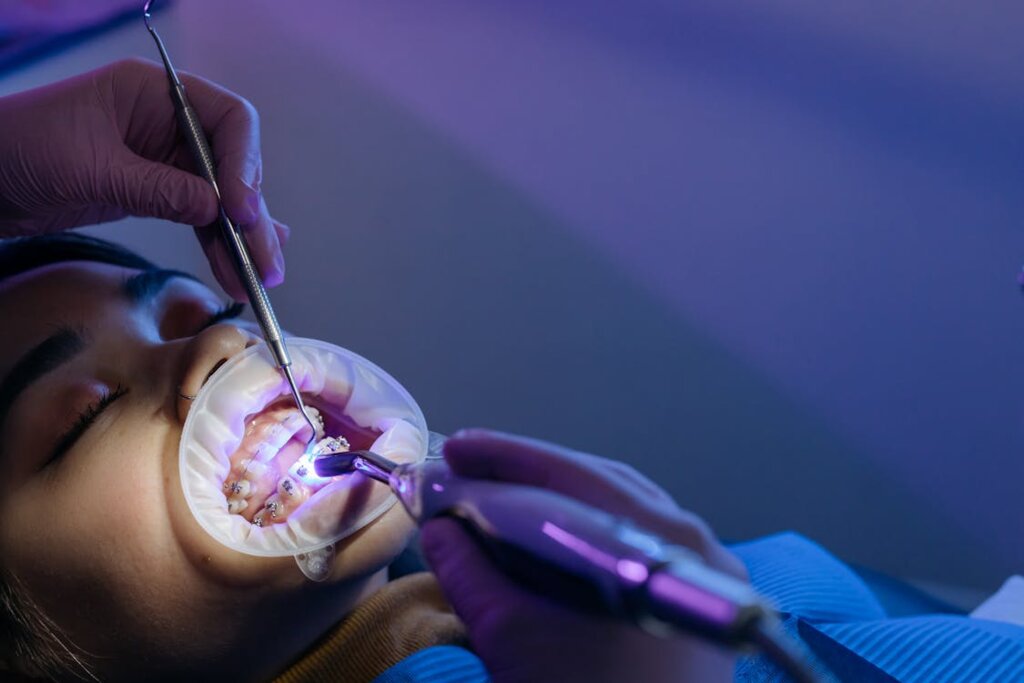
The functional benefits of orthodontic treatment during adolescence extend far beyond straight teeth, addressing underlying structural issues that affect facial harmony, chewing efficiency, and speech clarity. Because teens are still experiencing facial growth, orthodontic intervention can actually guide this development in more favorable directions.
Bite correction during the teenage years prevents long-term jaw joint problems and uneven tooth wear patterns that often emerge in adulthood. A crossbite that might seem purely cosmetic at age 13 can lead to asymmetrical facial development if left untreated, while an overbite can contribute to jaw pain and premature wear of front teeth. Correcting these issues while facial structures are still malleable produces more stable, lasting results.
Speech improvements from orthodontic treatment can be particularly transformative during adolescence, when clear communication becomes increasingly important for academic presentations, job interviews, and social interactions. Teens with gaps between front teeth often develop lisping patterns, while those with severe overbites may struggle with certain consonant sounds. As treatment progresses, speech clarity typically improves naturally without additional therapy.
The facial profile changes that occur during teen orthodontic treatment can be dramatic. Correcting protruding front teeth often enhances lip support and facial balance, while expanding narrow arches can improve cheekbone definition and smile width. These changes happen gradually during treatment, allowing teens to adapt psychologically while building confidence in their evolving appearance.
Perhaps most importantly, addressing orthodontic problems during adolescence prevents the compensatory habits that adults often develop — tongue thrusting, mouth breathing, or favoring one side for chewing. Breaking these patterns early establishes healthier oral function that supports long-term dental health and facial stability.
How Braces Impact Teen Self-Esteem and Confidence
The psychological transformation that accompanies orthodontic treatment during adolescence often proves as significant as the physical changes, with self-esteem improvements typically emerging well before treatment completion. Research consistently shows that teens undergoing orthodontic treatment experience measurable increases in confidence and social comfort as their smiles improve.
The initial period after getting braces can temporarily challenge self-confidence as teens adjust to their new appearance and learn to manage eating and speaking with orthodontic appliances. However, this adjustment phase typically resolves within 4-6 weeks, after which the visible progress in tooth alignment begins to boost self-perception.
Common myths about braces affecting teen social life have largely been dispelled by the normalization of orthodontic treatment among adolescents. Rather than facing social stigma, many teens find that braces serve as conversation starters and connect them with peers undergoing similar treatments. The shared experience of orthodontic adjustments, dietary restrictions, and treatment milestones often builds camaraderie rather than creating social barriers.
The confidence boost from orthodontic treatment extends beyond appearance. Teens frequently report feeling more comfortable participating in class discussions, trying out for performance-based activities, and engaging in social photography. This increased participation creates positive feedback loops that reinforce growing self-assurance throughout the treatment period.
Perhaps most significantly, the process of committing to and completing orthodontic treatment teaches teens valuable lessons about delayed gratification and self-care. The discipline required to maintain good oral hygiene, follow dietary guidelines, and attend regular appointments builds character traits that benefit other areas of their lives. Many teens report that successfully managing their orthodontic treatment gives them confidence to tackle other challenges and goals.
How Teens Should Care for Braces During and After Treatment
Oral hygiene during orthodontic treatment requires significant modifications from pre-braces routines, but establishing these habits early prevents complications that could extend treatment time or compromise results. The brackets and wires create new areas where plaque can accumulate, making thorough cleaning essential for both oral health and treatment success.
Effective brushing with braces involves using a soft-bristled toothbrush at multiple angles to clean around brackets and under wires. Many orthodontists recommend brushing after every meal and snack, carrying a travel toothbrush for school and activities. Fluoride rinses become particularly important during treatment to strengthen enamel and prevent white spot lesions that can develop around brackets.
Dietary modifications protect both the braces and the treatment timeline. Hard foods like ice, nuts, and hard candies can break brackets or bend wires, while sticky foods like caramel or gum can dislodge components or make cleaning difficult. Most teens adapt to these restrictions quickly, and many report that the dietary changes contribute to overall healthier eating habits that continue after treatment.
The retention phase following active treatment proves crucial for maintaining results, yet it's often where teen compliance falters. The excitement of having braces removed can overshadow the importance of wearing retainers consistently. Orthodontists typically recommend full-time retainer wear initially, transitioning to nighttime-only wear as the teeth stabilize in their new positions.
Modern retention options include both removable and fixed retainers, with many teens receiving a combination approach for optimal stability. The key is establishing retainer wear as a non-negotiable habit from day one after braces removal — teeth can begin shifting within hours without proper retention, potentially undoing months or years of treatment progress.
The investment in orthodontic treatment during the teenage years pays dividends that extend far beyond the treatment period itself. As teens transition into young adulthood with improved smiles and the confidence that comes with them, they carry forward not just straight teeth, but the self-assurance and discipline developed throughout their orthodontic journey.