The American Dental Association estimates that 69% of adults aged 35-44 have lost at least one permanent tooth, while nearly 26% of those over 65 have lost all their natural teeth. As dental implant technology continues advancing in 2024, patients facing tooth loss now have more replacement options than ever before — but the growing array of implant types, materials, and techniques can make choosing the right solution feel overwhelming.
This complexity matters because the type of implant you select affects everything from the surgical procedure to long-term maintenance, durability, and cost. Unlike dentures or bridges that sit on top of existing structures, implants integrate directly with your jawbone through a biological process that can last decades when properly matched to your specific needs. Understanding the fundamental differences between implant types — and the factors that determine which works best for your situation — can mean the difference between a successful, long-lasting restoration and years of complications.
The decision involves far more than simply replacing missing teeth. Your bone density, overall health, lifestyle, and even the location of the missing tooth all influence which implant approach will deliver the best outcomes.
What Are the Main Types of Dental Implants?
Modern dental implantology offers five primary implant categories, each designed to address specific anatomical challenges and patient needs. Endosteal implants represent the most common type — small titanium screws that are surgically placed directly into the jawbone. These work best when you have adequate bone height and density, typically requiring 3-4 months of healing time as the bone grows around the implant fixture.
Subperiosteal implants take a different approach entirely. Rather than drilling into the bone, these custom-made metal frameworks sit on top of the jawbone but underneath the gum tissue. This option serves patients whose jawbone has deteriorated too much to support traditional implants but who want to avoid bone grafting procedures. The framework holds one or more prosthetic teeth above the gum line.
For cases involving severe upper jaw bone loss, zygomatic implants offer a specialized solution. These longer implants anchor into the cheekbone (zygoma) rather than the upper jaw, bypassing areas where bone has been lost due to tooth loss or sinus expansion. The technique requires advanced surgical expertise but can eliminate the need for extensive bone grafting.
Mini implants use a smaller diameter than traditional endosteal implants — typically less than 3mm compared to the standard 3.4-5mm. Their reduced size makes them suitable for narrow spaces, lower jawbone areas with limited height, or patients who want a less invasive procedure. However, they may not provide the same long-term stability as full-sized implants for larger restorations.
Implant-supported dentures combine traditional denture concepts with implant stability. Rather than replacing each tooth individually, two to six implants support an entire arch of prosthetic teeth. The popular All-on-4 technique uses just four strategically placed implants to support a full set of upper or lower teeth, often allowing patients to receive their new teeth on the same day as implant placement.
How Do Different Materials Affect Dental Implant Performance?
The material composition of your dental implant significantly impacts both its biological integration and long-term performance. Titanium implants dominate the market due to their unique biocompatibility — your body doesn't recognize titanium as foreign, allowing bone cells to grow directly onto its surface. This process, called osseointegration, creates a bond stronger than natural tooth roots in many cases.
Pure titanium and titanium alloys offer exceptional strength-to-weight ratios, resisting corrosion even after decades in the oral environment. The material's gray metallic color rarely shows through the gums, but in thin tissue areas or when gums recede, some patients notice a slight shadowing effect around the implant crown.
Zirconia implants provide an alternative for patients seeking metal-free solutions. Made from zirconium dioxide, these ceramic implants offer a bright white color that eliminates any risk of metallic show-through. Some patients with metal sensitivities or those following holistic treatment philosophies prefer zirconia for its completely biocompatible ceramic composition.
However, zirconia implants come with trade-offs. The material is harder and more brittle than titanium, making it more challenging to place surgically and potentially more prone to fracture under extreme stress. Research on long-term zirconia implant success rates remains limited compared to the decades of data supporting titanium. Additionally, if a zirconia implant fails, it typically breaks rather than loosens, often requiring more complex removal procedures.
The surface treatment of either material also affects integration speed. Modern implants feature specially textured or chemically treated surfaces that encourage faster bone growth, with some proprietary surfaces reducing healing time from four months to six weeks in optimal conditions.
What Happens During Osseointegration and Healing?
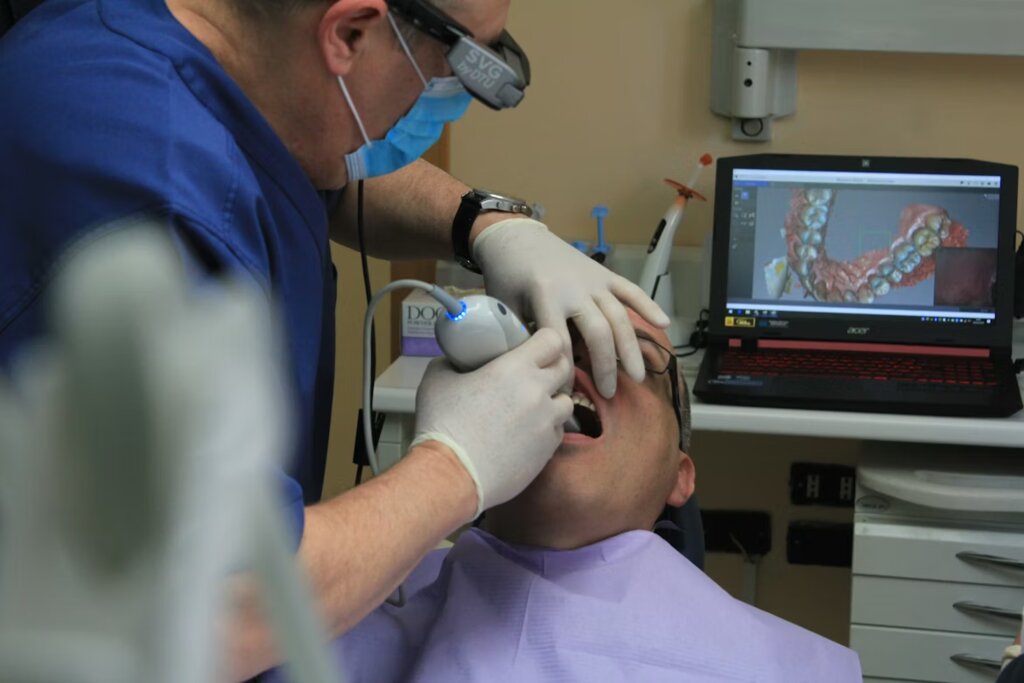
The biological process that makes dental implants uniquely successful begins immediately after surgical placement. Osseointegration — literally meaning "bone integration" — involves your bone cells directly attaching to the implant surface without any intervening soft tissue layer. This creates a structural bond that can actually become stronger than natural tooth roots over time.
During the first 48-72 hours after surgery, your body initiates a healing cascade similar to bone fracture repair. Blood cells form a clot around the implant, providing scaffolding for new tissue growth. Within the first week, specialized bone-forming cells called osteoblasts migrate to the implant surface and begin depositing new bone matrix directly onto the titanium or zirconia.
The critical integration period spans 8-12 weeks for most patients, though the process continues strengthening for up to six months. During this time, the bone actually remodels itself around the implant threads or surface texture, creating mechanical retention that supplements the chemical bonding. This explains why patients must avoid biting force on healing implants — premature loading can disrupt the delicate cellular attachment process.
Several factors influence integration success rates. Adequate blood supply to the surgical site proves essential, which is why smoking dramatically increases failure rates by reducing oxygen delivery to healing tissues. Bone density also matters — the lower jaw typically integrates faster than the upper jaw due to its denser bone structure. For patients considering dental implants in Jersey City, understanding these biological realities helps set realistic expectations for the healing timeline and long-term success.
Interestingly, the implant surface actually becomes more integrated over time. Studies following implants for 10-20 years show continued bone apposition, meaning the connection can strengthen rather than weaken with age, assuming proper oral hygiene and regular dental care.
Which Factors Determine the Best Type of Implant for You?
How Bone Density and Oral Health Influence Implant Choice
Your jawbone quality serves as the foundation for implant success, directly determining which types will work in your specific situation. Dense, thick bone can support any implant type, while areas with thin or soft bone may require specialized approaches. Dental CT scans reveal bone density measurements that help predict integration success — readings below 150 Hounsfield units often indicate the need for bone grafting or alternative implant designs.
The location of missing teeth also influences material and design choices. Front teeth require implants that can support thin, aesthetic crowns without showing metal through translucent gum tissue, making zirconia implants attractive in these areas. Back teeth handle significantly more chewing force, making the superior strength of titanium implants advantageous for molar replacement.
Existing oral health conditions affect long-term implant survival rates. Active gum disease must be controlled before implant placement, as the same bacteria that cause periodontal disease can infect implant sites, leading to peri-implantitis and potential implant loss. Patients with a history of severe gum disease may benefit from implant designs that facilitate easier cleaning around the restoration.
Why Age, Lifestyle, and Medical History Matter
While no upper age limit exists for dental implants, certain life factors significantly impact treatment planning and outcomes. Younger patients typically heal faster and integrate more predictably, but their jawbones are still developing, sometimes requiring delayed implant placement. Older adults may have medical conditions or medications that affect healing, but age alone doesn't disqualify candidates.
Smoking represents the single most significant lifestyle risk factor for implant failure. Nicotine reduces blood flow to healing tissues, dramatically increasing failure rates from less than 5% in non-smokers to 15-20% in heavy smokers. Patients unwilling to quit smoking may be better candidates for alternative tooth replacement options rather than risking implant complications.
Systemic health conditions like diabetes, autoimmune disorders, and osteoporosis can affect implant integration, though well-controlled conditions don't necessarily prevent success. Medications including bisphosphonates (used for osteoporosis) and some cancer treatments may require modified surgical protocols or healing timelines. Your medical history helps determine whether standard implants, mini implants, or alternative approaches best match your healing capacity and risk tolerance.
What Are the Common Risks and How Should You Care for Implants?
Dental implant complications fall into two primary categories: early failures during the healing phase and late failures after years of function. Early failures typically result from poor initial integration, often caused by infection, inadequate bone quality, or premature loading of the implant. These account for roughly 2-5% of all implant placements and usually require implant removal and replacement after additional healing time.
Late failures develop after successful integration, most commonly due to peri-implantitis — a bacterial infection around the implant that destroys supporting bone. This condition mirrors gum disease around natural teeth but can progress more rapidly because implants lack the natural defense mechanisms of tooth roots. Warning signs include bleeding gums around the implant, persistent bad taste, or loosening of the crown or abutment.
Mechanical complications represent another category of long-term risks. Implant crowns can chip, crack, or become loose over time, especially in patients who grind their teeth at night. The implant screw itself rarely breaks, but the connecting components may require replacement every 10-15 years depending on use patterns and oral hygiene maintenance.
Prevention strategies focus on meticulous oral hygiene and regular professional maintenance. Implants require daily cleaning around the crown margins using techniques similar to natural teeth — brushing, flossing, and sometimes specialized interdental brushes or water flossers. Professional cleanings every 3-6 months allow early detection of problems before they become serious.
The key insight many patients miss is that implants require more diligent care than natural teeth, not less. While the implant itself can't develop cavities, the surrounding tissues remain vulnerable to infection and inflammation. Patients who maintain excellent oral hygiene and attend regular check-ups can expect their implants to function successfully for 20-30 years or longer, making them one of the most durable tooth replacement options available.