The American Dental Association reports that adults between ages 20-64 have an average of three missing or severely decayed teeth — yet only 3% have received dental implants, despite their proven track record for long-term success. As dental technology advances and insurance coverage slowly expands, the gap between available solutions and patient awareness continues to widen. The choice between implants, bridges, and dentures isn't just about filling a space in your smile; it's about preserving jawbone health, maintaining proper chewing function, and preventing the cascade of oral health problems that follow tooth loss. For anyone facing this decision, understanding how each option actually works — and their long-term implications — can mean the difference between a solution that lasts decades and one that creates new problems down the road.
How Do the Main Tooth Replacement Methods Work?
Dental implants function as artificial tooth roots, with a titanium post surgically placed directly into the jawbone. Over 3-6 months, the bone grows around the implant through a process called osseointegration, creating a permanent foundation. Once healed, a crown is attached to complete the restoration. The entire process typically requires 3-4 appointments spread over several months, with the surgical placement being the most complex step.
Fixed bridges work by anchoring a replacement tooth (called a pontic) to crowns placed on the teeth adjacent to the gap. The dentist reshapes these supporting teeth, removing a significant portion of their natural structure to accommodate the crowns. The entire bridge is then cemented in place as one connected unit. This process usually takes 2-3 weeks and requires no surgery, though the preparation of healthy teeth is irreversible.
Removable dentures replace missing teeth with prosthetic teeth attached to a plastic or metal base that rests on the gums. Partial dentures use clasps to attach to remaining natural teeth, while complete dentures rely on suction and sometimes adhesive to stay in place. The fitting process involves taking impressions, creating a custom appliance, and making adjustments over several appointments until the fit is comfortable.
Each method addresses the same problem — missing teeth — but through fundamentally different mechanisms that affect everything from the initial procedure to decades of daily use. Understanding these differences becomes crucial when weighing the trade-offs each approach demands.
What Are the Pros and Cons of Each Option?
Advantages and Disadvantages of Dental Implants
Dental implants offer the closest thing to natural tooth function, with bite forces nearly matching those of original teeth. They preserve jawbone density by providing the stimulation that prevents bone loss — a critical advantage since untreated tooth loss can lead to facial collapse over time. Implants also protect adjacent teeth by requiring no alteration of neighboring tooth structure.
However, implants demand the most complex treatment process. The surgical placement requires adequate bone density and healthy gums, ruling out candidates with certain medical conditions or insufficient bone structure. The timeline stretches 3-6 months for healing, and the upfront cost is typically the highest of all options. Smoking, diabetes, and certain medications can compromise healing and long-term success rates.
The durability advantage is significant — properly maintained implants have success rates exceeding 95% over 10-15 years, making them often the most cost-effective choice despite higher initial investment.
Pros and Cons of Bridges and Removable Dentures
Fixed bridges provide excellent chewing function and feel nearly natural since they're permanently attached. They restore appearance effectively and require no removal for cleaning — you care for them like natural teeth. The treatment timeline is much shorter than implants, typically completing within a month.
The major drawback is the sacrifice of healthy tooth structure on adjacent teeth, which increases their risk of future problems. Bridges also don't address bone loss in the area of the missing tooth, and cleaning underneath requires special flossing techniques. The supporting teeth bear additional chewing forces, potentially shortening their lifespan.
Removable dentures offer the most affordable initial option and work for patients who aren't candidates for surgery. They can replace multiple teeth efficiently and are easily adjustable if changes are needed.
Yet dentures provide only 20-30% of natural chewing force, significantly limiting food choices. They require daily removal for cleaning, can shift during eating or speaking, and accelerate bone loss since they don't stimulate the jawbone. Many denture wearers struggle with adhesives and the psychological impact of removable teeth.
The fit inevitably changes as bone remodeling occurs, requiring regular adjustments and eventual replacement every 7-10 years.
How Do Tooth eplacement Options Affect Oral Health Long Term?
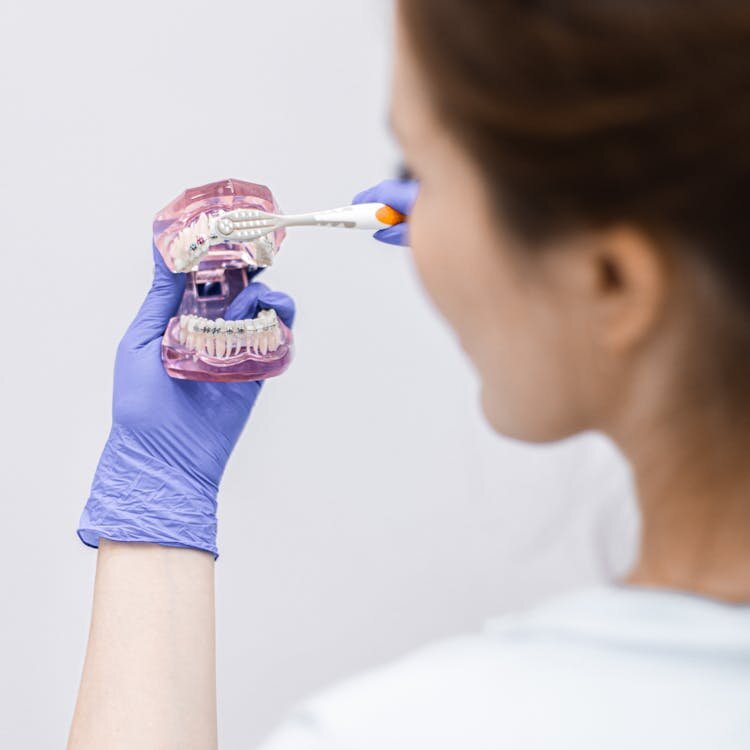
The impact on jawbone health represents the most significant long-term difference between replacement options. When natural tooth roots are lost, the surrounding bone begins remodeling immediately — shrinking by up to 25% in the first year alone. This process continues throughout life, eventually affecting facial structure and the fit of any prosthetic device.
Implants completely halt this bone loss by providing the mechanical stimulation that maintains bone density. Studies tracking patients over 15-20 years show virtually no bone loss around properly integrated implants. This preservation maintains facial height and prevents the sunken appearance common in long-term denture wearers.
Bridges and dentures offer no bone preservation benefits. Bridges may actually accelerate bone loss in the gap area since the chewing forces are redirected to the supporting teeth rather than stimulating the missing tooth's former location. Consider how choosing the right tooth implant options can significantly impact your long-term oral health outcomes and overall quality of life.
Speech patterns also vary significantly between options. Implants and well-fitted bridges typically have minimal impact on speech since they occupy the same space as natural teeth. Dentures, particularly upper plates, can affect pronunciation of certain sounds and may cause a lisp initially. Many denture wearers adapt over time, though some speech changes persist.
Chewing efficiency directly correlates with nutritional health in older adults. Implant patients maintain nearly normal chewing forces, allowing them to continue eating challenging foods like raw vegetables, nuts, and meat. Bridge patients experience some reduction but maintain most function. Denture wearers often shift toward softer foods, potentially impacting protein intake and overall nutrition. Research indicates that this dietary limitation can contribute to nutritional deficiencies in elderly populations who rely on dentures.
The maintenance requirements also affect long-term oral health. Implants and natural teeth can be cleaned with regular brushing and flossing. Bridges require threader floss or water flossers to clean underneath the pontic. Dentures need complete daily removal, specialized cleaning solutions, and careful handling to prevent damage.
Who Is Eligible and What Are the Risks in Tooth Replacement Surgery?
Implant candidacy depends primarily on bone density, gum health, and overall medical status. Ideal candidates have adequate bone height and width to support the implant, healthy gums free of active periodontal disease, and good oral hygiene habits. Age itself isn't a limiting factor — successful implants have been placed in patients well into their eighties.
Medical conditions that affect healing can complicate implant surgery. Uncontrolled diabetes slows bone integration and increases infection risk. Heavy smoking reduces blood flow to healing tissues, with failure rates doubling in smokers versus non-smokers. Certain medications, particularly those for osteoporosis (bisphosphonates), can interfere with normal bone healing and may require treatment modifications.
Insufficient bone structure affects roughly 30% of potential implant candidates. However, bone grafting procedures can often create adequate foundation, though they extend the treatment timeline by several months. The success of grafting depends on the extent of bone loss and the patient's healing capacity.
Surgical risks for implant placement are generally low but include infection, nerve damage, and sinus complications for upper jaw placements. The risk of nerve damage affecting lip or tongue sensation occurs in less than 2% of cases but can be permanent. Sinus perforation during upper jaw implant placement happens in roughly 5% of cases and usually heals without lasting problems.
Recovery typically progresses through several phases. Initial healing takes 7-10 days, with most discomfort resolving within the first week. The osseointegration phase continues for 3-6 months, during which patients wear temporary restorations and avoid hard foods in the area. Success rates remain high even in challenging cases — studies show 90-95% success rates even in patients with controlled diabetes or those requiring bone grafting.
Bridge and denture procedures carry minimal surgical risk since they involve no implant placement. However, bridge preparation requires removing significant tooth structure from healthy teeth, which can occasionally lead to nerve irritation requiring root canal treatment. Denture fitting rarely involves complications beyond initial soreness and adjustment periods.
What Tooth Replacement Options Suit Seniors Best?
Age-related factors significantly influence the choice between replacement options for older adults. Bone density naturally decreases with age, particularly in post-menopausal women, potentially complicating implant placement. However, many seniors remain excellent implant candidates when bone quality is adequate and medical conditions are well-controlled.
Manual dexterity challenges common in aging populations affect daily oral care routines. Arthritis or reduced fine motor control can make the threading floss required for bridge maintenance difficult. Conversely, denture removal and cleaning may become challenging for those with grip strength limitations or cognitive changes.
Medication considerations are particularly relevant for seniors taking multiple prescriptions. Blood thinners require careful coordination with oral surgeons for implant procedures, though they don't typically prevent treatment. Medications causing dry mouth increase the risk of complications with all replacement options, as saliva plays a crucial role in oral health maintenance.
Fixed solutions generally serve seniors better when feasible, eliminating the daily handling requirements of removable appliances. Implant-supported bridges or overdentures combine implant stability with simplified care routines. These hybrid approaches often provide the best balance of function and manageability for older adults.
Cost and insurance coverage often weigh heavily in senior decisions, as many live on fixed incomes. While implants offer the best long-term value, the upfront investment can be prohibitive. Some seniors benefit from phased treatment approaches, replacing teeth gradually as finances allow rather than attempting complete restoration immediately.
The decision ultimately depends on balancing functional needs, health status, and practical considerations. Seniors with good bone health and stable medical conditions often benefit most from implants' durability and bone preservation. Those with multiple health challenges or limited dexterity may find well-fitted dentures more manageable, particularly when supported by mini-implants for improved retention.
For older adults facing this choice, the window for implant placement doesn't close with age — it closes when bone loss or health complications make surgery inadvisable. Starting the evaluation process early often preserves the most options for maintaining oral function throughout the aging process.