Dental professionals face a pain-management conversation more often than the public realises. Studies have found that 60 to 70 percent of practising dentists report a musculoskeletal complaint at some point in their career. Chair-side posture, repetitive fine-motor work, and prolonged static loading all contribute. The choice of pain management provider sits at the intersection of clinical specialisation, treatment-modality range, and fit with a clinical schedule. The right specialist reads the dental professional's specific pain pattern, work demands, and recovery goals before recommending a treatment plan.
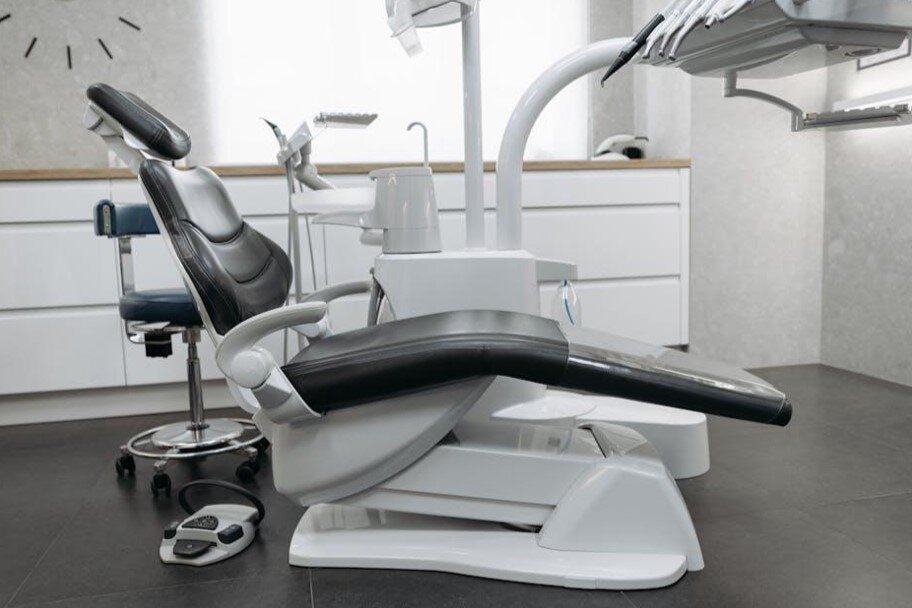
The same disciplined evaluation that informs other consequential professional decisions translates to provider selection. Specialist clinics like the team offering pain management services in Closter at Core Medical & Wellness illustrate the multidisciplinary depth dental professionals should look for. The practice focus runs across acute injury, chronic pain, and functional recovery.
A pain management specialist is a physician with focused training in evaluating and treating acute and chronic pain. Modalities include physical therapy, interventional procedures, and lifestyle support. The decision rewards a few hours of structured homework before signing on with a clinic.
Why Has Pain Management Become Critical for Dental Professionals?
Three structural shifts have moved pain management into more strategic territory for dental professionals. The first is the prevalence-acknowledgement shift. The dental community now openly discusses what was historically under-reported, with neck, shoulder, and lower-back complaints leading the documented patterns.
The second is the multidisciplinary expansion. Modern clinics combine physical therapy, interventional procedures, regenerative-medicine options, and lifestyle support rather than the medication-only approach of the prior generation.
The third is the career-longevity expectation shift. Modern dentists expect to maintain a productive clinical practice well into their sixties and seventies. The same long-horizon thinking visible in healthy solutions for dental professionals carries through to the pain-management decision.
What Should Dental Professionals Verify Before Signing On?
Six criteria belong on every shortlist. The table below summarises what dental professionals should weigh before commitment.
|
Criterion
|
What to Verify
|
What a Strong Answer Looks Like
|
|
Specialisation
|
Pain management focus
|
Board-certified pain medicine physician
|
|
Multidisciplinary range
|
PT, interventional, lifestyle
|
All three modalities coordinated
|
|
Insurance navigation
|
In-network with primary carriers
|
Verified before the first visit
|
|
Imaging and diagnostic
|
On-site or partner network
|
Same-week imaging access
|
|
Communication style
|
Clear treatment-plan articulation
|
Written plan after the consult
|
|
Schedule integration
|
Fit with clinical practice
|
Evening or weekend appointments
|
A clinic that provides clear answers across these six points signals counsel worth retaining. A clinic that deflects on any of them signals a generalist taking on pain-management work occasionally rather than as a specialty. Asking these questions early saves real money over the treatment plan's lifetime.
Which Pain Categories Reward Specialist Counsel Most?
Three pain categories reward specialist depth more than the others:

Chronic neck and upper-back pain where the chair-side posture, screen-time, and instrument-grip patterns interact in ways a single-modality approach often misses
Shoulder, wrist, and hand pain where the imaging-and-injection pathway can produce meaningful improvement before any surgical conversation begins
Lower-back pain with radicular components where the diagnostic-imaging step typically determines whether conservative or interventional treatment moves first
The National Center for Complementary and Integrative Health's overview of pain outlines the broader treatment-pathway field. The MedlinePlus chronic pain reference covers the foundational framework dental professionals should understand. The same kind of disciplined-evaluation thinking visible in 5 steps to practicing dentistry pain free translates to the broader pain-management decision.
What Common Errors Surface in Pain Management Selection?
Several patterns recur. The first is choosing on proximity alone. The closest clinic often skips meaningful multidisciplinary integration.
The second is treating the first visit as the full evaluation. A 45-to-60-minute initial consult typically uncovers history but the diagnostic-imaging step usually follows.
The third is overlooking the insurance-navigation question. Out-of-network costs on injection procedures can run 600 to 2,500 dollars per visit.
The fourth is forgetting the lifestyle-and-behavioural component. Pain that responds to clinic-side intervention often responds even better with paired sleep, nutrition, and ergonomic adjustments. The fifth is signing without a written treatment-plan summary.
What Is the Bottom Line for Dental Professionals?
The pain management decision rewards dental professionals who plan rather than improvise. The window for thoughtful preparation typically runs from the first persistent-pain conversation through to the clinic-comparison phase. The right specialist coordinates the diagnostic, the treatment, the lifestyle work, and the insurance pathway rather than treating each as a separate engagement.
Whether the professional practises general dentistry, a specialty discipline, or runs a multi-operator practice, the criteria translate cleanly. The first clinic conversation should answer specific questions about specialisation, modality range, insurance, and schedule integration. Dental professionals who run real comparison processes early end up with cleaner long-run outcomes than professionals who default to whichever clinic was easiest to reach. Pre-engagement preparation pays back across the entire treatment plan, often shortening the typical 3 to 6 month chronic-pain treatment cycle by 4 to 8 weeks for prepared patients.
Frequently Asked Questions
How Long Does a Typical Pain Management Treatment Plan Take?
A typical pain management treatment plan runs 6 to 16 weeks for acute pain conditions and 3 to 12 months for chronic conditions. The plan usually combines diagnostic evaluation, interventional procedures (when indicated), physical therapy, and lifestyle adjustments. Some chronic conditions require ongoing maintenance visits at a 3-to-6-month cadence after the initial plan. The clinic should outline the realistic timeline at the first visit.
What Does Pain Management Cost?
Costs vary by treatment type and insurance coverage. Initial consultations typically run 250 to 500 dollars before insurance, and imaging studies run 400 to 1,500 dollars depending on the type. Injection procedures run 800 to 3,500 dollars per visit. Most major insurance carriers cover specialist pain medicine evaluation and treatment with appropriate referrals. Out-of-pocket costs depend on plan-specific deductibles and coinsurance.
Will I Need to Try Surgery?
Often no. Specialist pain management clinics typically reserve surgical conversation for after the conservative-treatment pathway has been fully explored. Most patients find meaningful improvement through a combination of physical therapy, targeted injections, and lifestyle work before any surgical evaluation. The clinic should explain the realistic surgical-versus-conservative pathway at the first visit.
How Do I Know If a Pain Specialist Is Right for Me?
The first visit should produce clear answers about diagnosis, treatment options, realistic timeline, and integration with clinical practice. A specialist who listens to the full work-history, orders appropriate imaging when needed, and outlines a multimodal plan signals counsel worth retaining. Discomfort with the recommended approach is itself a useful data point in the selection process.