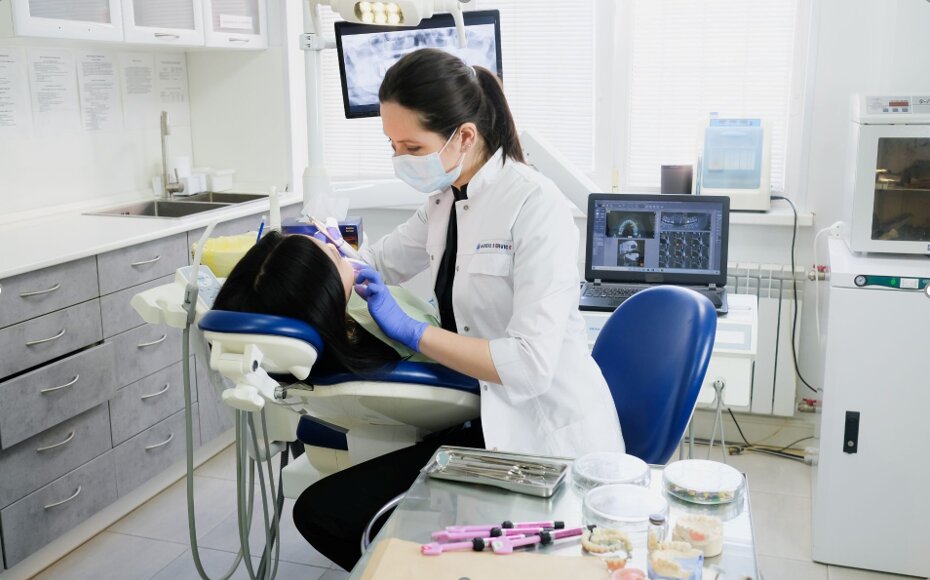
In a busy dental practice, urgent patient needs are common. When a patient calls with pain, swelling, or a broken tooth, immediate attention can prevent further damage and build trust in care. A dental team that is prepared for urgent situations improves patient satisfaction and helps the practice run smoothly. This blog will explore approaches to managing urgent needs effectively with clear structure, training, and patient communication.
Identifying What Makes a Situation Urgent
Effective management begins with defining what qualifies as urgent. Severe pain, bleeding that doesn’t stop, swelling that affects breathing, or trauma to the mouth are all signs of conditions that need prompt care. Other issues, like a lost filling or sensitivity, may feel urgent to a patient but might not require immediate intervention. Clear criteria help the team decide on the appropriate level of response. It’s essential that all staff understand these definitions and can recognize symptoms when patients describe them.
A standardized triage protocol helps ensure consistency. When calls come in, a set of questions should be used to assess the severity. This includes asking about the onset of symptoms, any visible injury, ability to eat or drink, and any associated fever. Documenting these details assists in decision-making and provides a record for follow-up. Staff training in triage methods improves confidence when interacting with patients who may be anxious or in pain.
Training and Skill Development for the Team
Each member of the dental team plays a role in handling urgent needs. Reception staff often receive the first call and may determine how quickly a patient needs to be seen. Providing training on communication skills and symptom recognition can make a significant difference. Clinical staff also need refreshers on emergency procedures, pain management techniques, and calm handling of distressed patients.
Simulation exercises can be valuable. Practising scenarios with the whole team helps identify gaps in the process and clarifies roles. A team that practices together will respond more effectively under real pressure. Regular reviews of protocols ensure that the latest best practices are incorporated into daily routines.
Scheduling Flexibility and Resource Allocation
Most urgent needs can’t be predicted. A well-organised schedule leaves room for emergency appointments. Allocating specific slots during the day for urgent visits helps maintain workflow while offering timely care. An alternative approach is identifying times when minor adjustments can be made to accommodate emergencies without disrupting planned care.
Having the right tools on hand increases efficiency. Emergency kits, pain relief options, digital imaging, and access to specialist support should be ready. In cases where the practice can’t handle specific urgent situations, it’s important to have referral pathways. A list of trusted colleagues or facilities that can provide advanced care ensures that no patient is left without help. Patients based in the UK looking for immediate assistance may be directed to an emergency dentist near me when needed.
Communication with Patients
Clear communication is essential, from the first contact to the follow-up. When a patient calls, explain the next steps and any instructions they should follow before the appointment. This might include pain management suggestions or guidance on avoiding further injury. Providing information about what to expect during the urgent visit can ease anxiety.
After treatment, the patient should receive detailed instructions for home care. Explain any warning signs that indicate the need for further attention. Patients appreciate reminders about pain control or dietary changes that support healing. A follow-up call or message within a day reinforces that the practice cares about recovery and can uncover issues that need additional care.
Maintaining a Calm Environment
An emergency situation can make patients nervous. The atmosphere of the practice influences how patients feel during urgent visits. Friendly professional interactions and a calm environment help reduce stress. Staff should be encouraged to remain composed and supportive even when pressured with multiple urgent events in a day. Positive energy in the practice resonates with patients.
Reviewing and Improving Protocols
After each urgent case, a review can highlight strengths and opportunities for improvement. Gathering feedback from the team and from patients reveals patterns that might not be obvious in the moment. Adjustments to triage questions, scheduling methods, or communication scripts can streamline future responses. Continuous improvement supports better outcomes for patients and staff.
Conclusion
A dental practice that prepares for urgent patient needs delivers care that patients trust and value. By clarifying what constitutes an urgent situation, training staff in triage and communication methods, and maintaining scheduling flexibility, the team can respond effectively. Prioritizing clear instructions and patient comfort enhances the overall experience. Regular review of procedures ensures that the practice continues to meet urgent needs with confidence and compassion.