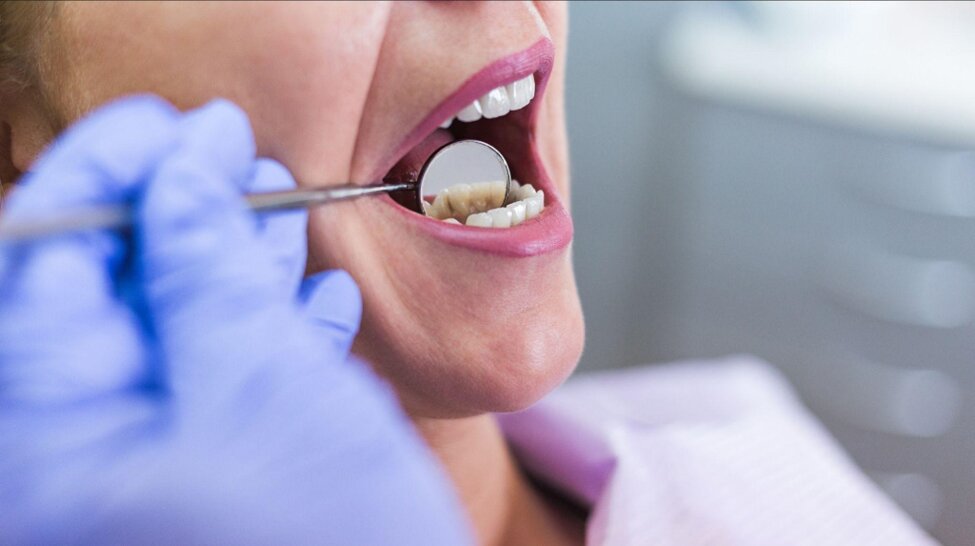
Oral health changes as we grow older and Common dental problems also change with age. In childhood, children have baby teeth and later adults and older people face changed dental problems. Each stage of life has its own dental desires. Some people may get cavities or gum complications, tooth pain or even tooth loss. With good preventive dental care then many of these problems can be prevented or treated easily. The simple habits like brushing teeth or flossing every day and visiting to dentist help keep teeth healthy. This guide clarifies to oral health at every age and offers easy instructions for having a healthy smile for life.
Why Dental Health Changes with Age?
The dental health changes because people grow due to natural bodily changes and everyday habits. Teeth and gums gradually wear down over time. Children have baby teeth which later fall out and are replaced by permanent teeth that should last for life. What we eat or how we brush and how well we care for our teeth, all disturb oral health.
Hormonal changes during puberty, pregnancy, and aging can make teeth and gums more sensitive. As people get older, issues such as gum disease, weakened enamel, and tooth loss become more common. That's why regular dental care is important at every stage of life, and visiting a trusted dentist Queens patients rely on can help maintain a healthy smile through every age.
Common Dental Problems in Infants and Toddlers (0–3 Years)
Baby Bottle Tooth Decay
Baby bottle tooth decay is when a baby's teeth get damaged from a lot of sugar in milk or juice. It typically affects the front teeth. It can start early if the correct care is not given. If left untreated, then it can cause discomfort and damage to the tooth.
Causes: Regular bottle feeding particularly when the baby sleeps with milk or juice
Risk factors: Sleeping with a bottle or sugary drinks and not cleaning to mouth correctly
Prevention: Clean to baby's gums each day and don't give a bottle at bedtime
Taking care of baby teeth helps keep them healthy.
Common Dental Problems in Children (4–12 Years)
The dental issues in children aged 4 to 12 are very common and require early care. Many kids face tooth issues due to unhealthy eating habits and poor brushing routines. If not treated promptly then these problems can affect to both baby and permanent teeth.
Cavities and tooth decay: Caused by sugary foods and not cleaning teeth correctly.
Poor brushing habits: Missed spots lead to plaque buildup and gums complications.
Thumb sucking and pacifier use: It can disturb to teeth alignment and bite growth.
Dental injuries during sports: It may cause chipped or broken teeth.
The good oral care habits such as brushing and attending regular dental checkups can keep children's teeth strong.
Common Dental Problems in Teenagers (13–19 Years)
Many teens need orthodontic treatment like braces or Invisalign to correct crooked teeth or bite problems. At this age, teeth may not stay straight and cavities can also increase. Playing sports and growing wisdom teeth may also cause pain or discomfort, if not addressed promptly.
Orthodontic Problems
Crooked teeth
Bite problems
Braces or Invisalign treatment
Braces or Invisalign treatment
Cavities from Diet Choices
Soda drinks
Energy drinks
Sweet snacks
Wisdom Tooth Problems
Impacted wisdom teeth
Pain and puffiness
Sports-Related Dental Injuries
Broken or chipped teeth
Mouth injuries throughout sports
Prevention Tips
Have teeth cleaned throughout the braces treatment
Eat healthy food
Visit the dentist habitually
Good dental care in teenage years has the benefit of teeth which are strong or straight and free from problems in the future.
Common Dental Problems in Young Adults (20–39 Years)
People aged 20–39 can develop various dental complications due to stress or everyday habits and poor oral hygiene. Gum complications or tooth sensitivity and teeth grinding are very common at this age. If not treated in time, these problems can worsen later.
Gums may bleed and become swollen (gum disease).
Teeth may hurt when eating hot or cold food (sensitivity).
Grinding teeth can cause jaw pain and damage teeth (bruxism).
Wisdom teeth may cause discomfort and swelling.
Stains on teeth can disturb how the smile looks.
To stay safe, brush teeth properly or visit the dentist habitually and use a night guard if required.
Common Dental Problems in Middle-Aged Adults (40–59 Years)
The people aged 40–59 frequently start having more dental complications due to aging or food habits and long-term care of teeth. The gums may become weak and teeth may feel more sensitive or begin to wear down. If not properly cared for then these problems can lead to tooth loss.
Gum disease causes puffiness or bleeding and can lead to tooth loss.
Receding gums make tooth roots noticeable and increase sensitivity.
Tooth wear damages gradually and weakens to enamel.
The cracked or broken teeth may need fillings or crowns.
A dry mouth lessens saliva and increases the chance of cavities.
The regular dental checkups or good brushing and healthy habits can help stop to these problems.
Common Dental Problems in Seniors (60+ Years)
The older people frequently have dental problems due to age and long-term neglect of their teeth. The tooth loss and gum disease are very common in that age. Some medications can cause dry mouth and more tooth decay.
Tooth loss: teeth fall due to decay and gum problems.
Advanced gum disease (periodontitis): harms to bone and gums.
Dry mouth: less saliva causes more cavities.
Root decay: exposed roots get cavities easily.
Denture problems (dentures): loose or bad fit causes the discomfort.
Oral cancer risk: higher with age and smoking.
Chewing and speech problems: missing teeth make everyday life tough.
Dental Problems That Can Occur at Any Age
The dental problems that can occur at any age include common oral health issues that affect children, adults, and older adults. These problems can be caused by poor oral hygiene, excessive sugar consumption, or the natural wear and tear of teeth over time. Cavities can create holes in teeth and cause discomfort. Gum disease may lead to swollen and bleeding gums. Bad breath often develops when bacteria build up in the mouth. Tooth sensitivity can cause discomfort when eating hot or cold foods. In more advanced cases, untreated dental problems may result in tooth loss, and custom dentures can help restore both the appearance and function of your smile.
Warning Signs You Should Never Ignore?
Warning signs in your mouth shouldn't be overlooked as they can indicate the serious dental problems. These problems may start minor, but can worsen if not treated promptly. Early care helps protect your teeth and gums from damage.
Bleeding gums
Bad breath that doesn't go away
Loose teeth
Toothache
Puffiness in the mouth or gums
Mouth sores that do not heal
Trouble in chewing food
If you have any of these symptoms, then visit a dentist as soon as possible. The early treatment can stop infections and keep your mouth healthy. The consistent dental checkups and good cleaning habits help keep your teeth strong and healthy.
How to Prevent Dental Problems throughout Life?
The dental problems which can happen at any age include common oral health problems that disturb children or adults and older people. These problems can be caused by not cleaning to teeth properly, eating too much sugar or natural wear and tear of teeth over time. The cavities make holes in teeth and cause discomfort. Gum disease can cause swand bleeding gums. Bad breath happens when germs build up in the mouth. The tooth sensitivity causes discomfort when eating hot or cold foods.
The Importance of Family Dentistry for Lifelong Oral Health
The family dentistry helps keep everybody's teeth healthy for life. It takes care of children or teens, adults and older people.
Benefits include:
Checking how teeth grow
Finding dental complications promptly
Helping stop dental problems
Having a record of dental health over time
Family dentistry makes it easy to care for teeth at each age. The regular dentist visits help prevent serious problems and keep your smile healthy and strong for life.
When to Schedule a Dental Checkup
The regular visits to a dentist for preventive dentistry are very important for keeping your teeth and gums healthy.
Visit every 6 months for most people
Visit more frequently if you have gum disease
Children should have early and consistent checkups
Seniors and high-risk people want regular dental care
The regular dental checkups help stop to problems on time. They have your smile healthy at each age.
Conclusion
In short that the common dental problems can happen at any age, but most can be avoided with simple care. The brushing and flossing every day or eating healthy food and visiting to dentist habitually help keep teeth and gums healthy. Taking care of Adult dental health is very important as it helps stop to gum disease and tooth loss later in life. Following the dental care throughout the life helps have a strong and healthy smile from childhood to old age. With early care and good habits then everybody can enjoy to better oral health or confidence and a healthy life each day.
FAQ
What is most common dental problem overall?
Tooth decay is common dental problem in all age groups.
At what age does gum disease usually start?
The gum disease can start at any age but it's more common in adults.
Why are cavities common in children and teens?
The cavities happen due to excessive sugar and not brushing daily.
What dental problems are common in seniors?
The older people frequently have tooth loss or gum disease, dry mouth, root decay or a higher risk of mouth cancer.
How frequently should I visit to dentist?
Most people should visit to dentist every 6 months for a checkup and cleaning.