Why Is Respite Care for Elderly Essential for Families and Caregivers?
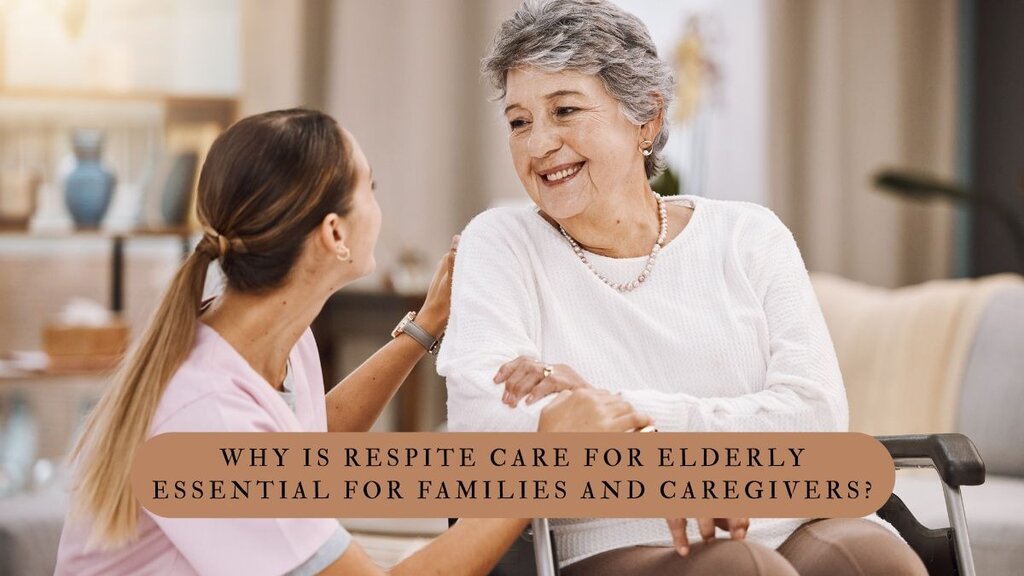
Raising an old man is a rewarding and very demanding job. Families have a lot of duties to manage every day. The work may be stressful, and the latter is the manipulation of drugs and their safeguarding. Caregivers are likely to be overwhelmed in attempts to fit such demands into their lives. That is why we should learn more about what senior care support provides. Lets discuss
What Is Respite Care for Older Person?
Respite care for the elderly is a form of care that is designed to provide a rest period to the caregivers. It helps the seniors in their daily living, feeding, medication, hygiene, and companionship. The care can be provided at home, at a facility, or in a senior living facility.
It is a type of care that keeps the old safe, healthy, and active and enables the caregivers to rest, pursue their personal interests, or refresh.
What are the Respite Care Benefits?
Several benefits are associated with respite care for the elderly and caregivers. It gives care, takes stress off, and makes sure that the seniors are well taken care of.
Reduces Caregiver Stress
Respite care assists the family caregivers in offloading the daily tasks. Since trained professionals will take over short-term tasks, the caregivers will be free to rest, have a personal appointment, or work on their health. To be honest, 60 percent of caregivers say they experience lots of stress, and it is crucial to have frequent breaks using respite care.
Prevents Burnout
Physical and emotional burnout is also avoided by regular breaks provided by the respite care. This way, caregivers become more prevalent, patient-oriented, and focused.
Ensures Senior Safety
The trained employees assist the seniors in daily activities, food, drugs, and mobility. This will make the seniors safe and healthy without their primary caregiver.
Promotes Social Engagement
The respite care programs mainly offer the elderly activities and socialization. Games, craftwork, or group work will lower loneliness and keep seniors mentally and emotionally alive.
Improves Quality of Life
Respite care improves the lives of older adults since it provides assistance, companionship, and protection. Meanwhile, it aids families in maintaining balance and well-being in personal life.
How Senior Care Supports Overall Well-Being?
Focuses on the requirements of the elderly individuals in a safe and positive environment. It involves assisting the client in bathing, feeding, medication, and mobility. Families would also need to use senior care programs to provide quality assistance that they could not provide at home.
Moreover, professional caregivers can detect early signs of health issues. Regular exams eliminate problems. With proper care taken by seniors, they tend to be healthy both physically and emotionally.
What are the Memory Care Activities for Mental Stimulation?
Memory care activities can also involve seniors to engage the brain. Such activities may alleviate anxiety, boost mood, and leave the seniors feeling successful. Examples include:
-
Word, crossword, and puzzles.
-
Art classes, such as painting activities or crafts.
-
Light physical activities, e.g., stretching or walking.
How to Choose a Senior Living Community?
A senior living community is self-sufficient and professionally-managed. Meals, socializing, exercise, and field trips are offered to residents, with staff support toward personal and health care. Benefits include:
What are the Different Memory Care Oregon Options?
Memory care Oregon programs offer safe and structured services to aged people with memory challenges. Key features include:
-
Supervised living spaces
-
Meal and hygiene assistance, medication assistance.
-
Mental and emotional assistance programs.
-
Social and recreational activities.
-
Trained memory care staff
What Does Hospice Respite Care for End-of-Life Involve?
Hospice respite care is a temporary provision for the senior caregivers in the last phase of life. It provides the senior with professional end-of-life care as the family rests. Services involve caring, emotional support, and comfort-related care.
This type of care enables families to have a physical and emotional recharge. It also makes sure that the elderly are still guaranteed compassionate care and not compromised.
What are the Tips for Using Respite Care Effectively?
The proper use of respite care keeps caregivers healthy and seniors safe and active. Tips include:
-
Plan breaks in advance and schedule regular respite care
-
Communicate routines, preferences, and health needs to caregivers
-
Combine respite care with social or memory activities
-
Monitor seniors’ response to care to ensure comfort
-
Keep an open line of communication with professional staff
Conclusion
The role of respite care for the elderly is crucial to helping families and caregivers. It lowers stress levels and burnout, and provides seniors with regular care. With professional communities, memory care activities, and respite services mixed, families can provide a healthy and balanced environment. Finally, when one is confident enough to take a break, everyone will have a better life.