Braces help straighten teeth, but they also make the mouth more sensitive to injury. For children, teens, and adults who play sports or stay physically active, extra protection is important. A simple hit to the mouth can damage braces, teeth, and soft tissues. That is why mouthguards play a key role during orthodontic treatment.
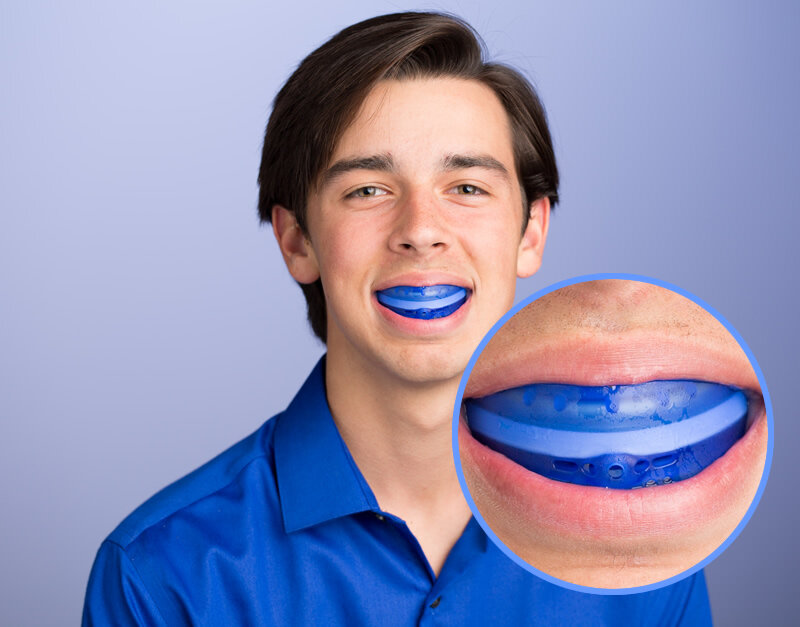
Active patients often ask how to stay safe without interrupting their progress. With proper orthodontist care, using the right mouthguard can reduce injuries while keeping braces intact and comfortable.
Why Braces Need Extra Protection
Braces include brackets, wires, and bands. These parts sit close to the lips and cheeks. During sports, even minor contact can cause cuts, swelling, or broken brackets. Without protection, injuries may lead to emergency visits or treatment delays. A mouthguard acts as a cushion. It absorbs impact and spreads force evenly across the mouth. This is important not only for contact sports but also for activities like skateboarding, cycling, or gymnastics.
What Is a Mouthguard for Braces?
A mouthguard for braces is a protective dental appliance. It fits over the teeth and braces. Its purpose is to shield both the teeth and orthodontic hardware. Unlike standard mouthguards, these are designed with extra space. This allows them to fit comfortably over brackets and wires. They also adapt as teeth move during treatment. The right mouthguard should feel secure but not tight.
Types of Mouthguards for Braces
There are different types available. Choosing the right one depends on comfort, activity level, and treatment stage.
Stock Mouthguards
These are ready-made and available in stores. They are the least expensive option. However, they often provide a loose fit. They may not stay in place well, especially over braces.
Boil-and-Bite Mouthguards
These are softened in hot water and shaped to the teeth. They offer a better fit than stock versions. Some boil-and-bite mouthguards are designed for braces. They allow room for brackets but may still feel bulky.
Custom Mouthguards
Custom mouthguards are made from dental impressions. They provide the best fit and comfort. They are designed to work with braces and adjust as treatment progresses. While they cost more, they offer superior protection and durability.
Benefits of Wearing a Mouthguard with Braces
Using a mouthguard offers several important benefits for active patients.
These include:
a) Protection from cuts and bruises
b) Reduced risk of broken brackets or wires
c) Lower chance of tooth damage
d) Improved comfort during activity
e) Fewer treatment interruptions
Consistent use helps maintain treatment progress while staying active.
When Should a Mouthguard Be Worn?
A mouthguard should be worn during any activity that carries a risk of impact. This includes organized sports and recreational play.
Examples include:
a) Football and basketball
b) Soccer and hockey
c) Martial arts
d) Skateboarding and biking
Even non-contact sports can lead to falls. Wearing a mouthguard is a smart preventive step.
How to Choose the Right Mouthguard
Comfort and fit are essential. A mouthguard should not cause pain or restrict breathing.
When choosing one, consider:
a) Compatibility with braces
b) Ability to stay in place
c) Ease of cleaning
d) Durability
If a mouthguard feels tight as teeth move, it may need replacement.
Caring for a Mouthguard
Proper care keeps the mouthguard safe and effective. Poor hygiene can lead to odor or bacteria buildup.
Follow these tips:
a) Rinse after each use
b) Clean with a soft toothbrush
c) Let it air dry before storing
d) Keep it in a ventilated case
e) Avoid heat exposure
Regular inspection helps identify cracks or wear.
Common Mistakes to Avoid
Some patients skip wearing a mouthguard due to discomfort. Others use ill-fitting guards that offer little protection.
Avoid these mistakes:
a) Using a mouthguard not designed for braces
b) Wearing damaged or worn guards
c) Skipping protection during practice sessions
d) Sharing mouthguards
Each patient should have their own properly fitted device.
How Mouthguards Support Treatment Success
Protecting braces helps prevent setbacks. Broken appliances can slow progress and increase costs. Mouthguards also protect soft tissues. This reduces soreness and helps patients stay comfortable throughout treatment. Staying injury-free allows patients to focus on both their sport and their smile.
Final Thoughts
Being active while wearing braces is possible with the right protection. A mouthguard is a simple yet powerful tool that safeguards teeth, braces, and comfort.
Choosing the correct type and wearing it consistently helps prevent injuries and treatment delays. With good habits and proper protection, active patients can enjoy sports while keeping their orthodontic journey on track.