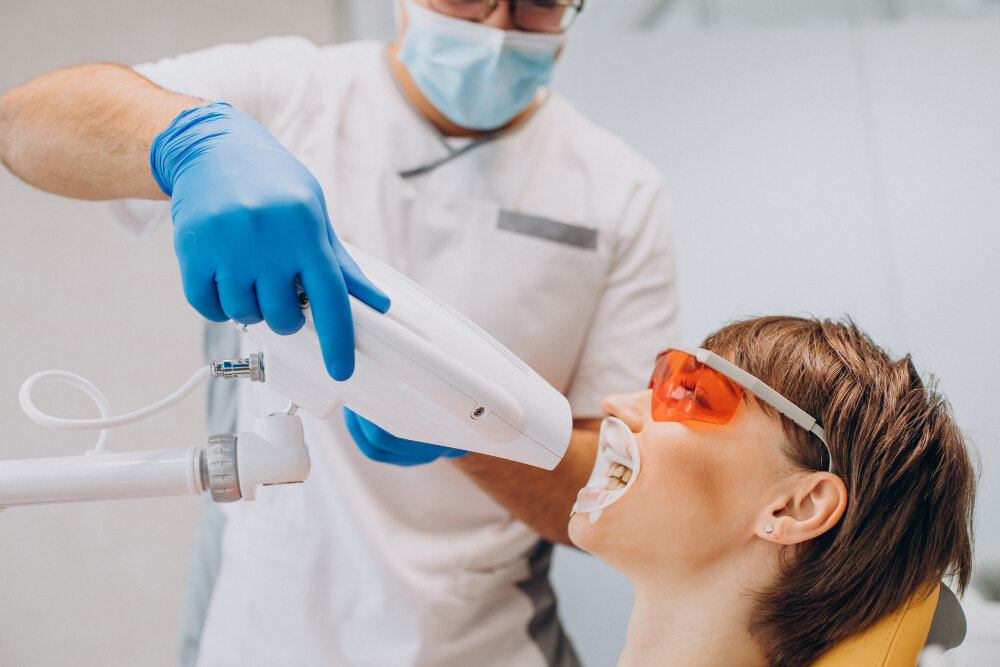
A brighter smile is one of the most sought-after aesthetic changes in cosmetic dentistry, and it is also one of the most achievable. Professional teeth whitening Newport Beach CA delivers results that over-the-counter products simply cannot match, in a fraction of the time and with a level of safety and customization that makes the investment genuinely worthwhile.
Tooth discoloration is one of the most common concerns patients raise during cosmetic dental consultations. No matter how diligent a person is about brushing and flossing, years of coffee, tea, red wine, and natural aging gradually dull the brightness of even healthy teeth. Professional whitening addresses this effectively and predictably, giving patients a smile that looks refreshed, healthy, and naturally vibrant.
Why Teeth Lose Their Brightness
Tooth discoloration falls into two main categories: extrinsic and intrinsic. Extrinsic staining occurs on the surface of the enamel and results from food, beverages, tobacco, and insufficient oral hygiene. Extrinsic stains are the type most responsive to whitening treatment. They accumulate gradually, which is why teeth that were once bright often darken slowly over the years without the patient noticing until the change has become quite significant.
Intrinsic discoloration originates within the tooth itself and cannot be removed by whitening agents. It can result from antibiotic exposure during tooth development, particularly tetracycline, from dental trauma that caused internal bleeding within the pulp chamber, or from excessive fluoride intake during childhood. Teeth with intrinsic discoloration may require veneers or composite bonding to achieve a lighter appearance, as whitening agents work by penetrating the enamel and oxidizing pigment molecules, a process that is not effective against intrinsic color change.
Natural aging also contributes to discoloration. As enamel wears over time, the underlying dentin, which is naturally yellow, becomes more visible through the progressively thinning enamel layer. This is why older teeth often appear more yellow even without significant staining from diet. Professional whitening helps counteract this process by lightening both the enamel surface and the visible undertone of the dentin beneath.
Over-the-Counter Products vs. Professional Whitening
Store-bought whitening strips, trays, and toothpastes are widely available and carry a relatively modest price, but they come with significant limitations. The concentration of whitening agent allowed in consumer products is regulated at a much lower level than what is available through a dental office. As a result, over-the-counter results are milder, take longer to appear, and are far less consistent from tooth to tooth.
Generic whitening trays that do not fit the teeth precisely allow whitening gel to contact the gum tissue, which causes irritation and often results in uneven whitening along the gum line. Whitening toothpastes rely primarily on mild abrasives to remove surface stains, but they do little to change the underlying color of the enamel. These products are best used to maintain results after professional whitening rather than to achieve them in the first place.
Professional whitening uses prescription-strength peroxide gel applied under carefully controlled conditions. The dentist or hygienist applies protective barriers to the gums and soft tissue before the gel is placed, reducing the risk of irritation significantly. The result is a more uniform, more dramatic outcome achieved safely and efficiently in far less time than any at-home product can match.
In-Office Whitening: How the Procedure Works
In-office whitening is the fastest way to achieve a meaningfully brighter smile. The dentist begins by documenting the current tooth shade using a shade guide and protecting the gums and lips with a barrier gel or custom rubber shield. A high-concentration peroxide gel is then applied to the tooth surfaces, where it works to oxidize and break down the stain molecules within the enamel.
Each application of gel typically sits on the teeth for 15 to 20 minutes before being removed and reapplied. Most in-office whitening sessions involve two to three cycles, making the total chair time approximately one hour. Patients typically see results that are several shades lighter by the end of the session, and the full effect becomes visible within 24 to 48 hours as the teeth rehydrate and settle into their final shade.
In-office whitening is particularly well-suited to patients who need visible results quickly, such as before a wedding, a professional photo shoot, or another significant occasion. It is also an ideal starting point for patients who want dramatic change and plan to maintain those results with custom take-home trays in the weeks and months that follow.
Custom Take-Home Whitening Trays
Custom take-home whitening kits represent another excellent option for patients who prefer a more gradual approach. The dentist takes precise impressions of the patient's teeth and uses them to fabricate trays from a flexible, close-fitting plastic material. The custom fit ensures uniform contact between the whitening gel and every tooth surface, which produces consistent results across the entire smile.
The patient receives the trays along with syringes of professional-strength gel to be worn for a prescribed period each day, typically one to two hours or overnight, depending on the gel concentration and the dentist's recommendation. Most patients reach their target shade within one to two weeks of consistent use. The trays can then be reused with refill gel purchased from the dental office to maintain results over time.
Custom take-home trays offer more flexibility and user control than in-office treatment. They allow patients to whiten at their own pace and to stop when they have reached their desired shade. Many patients who begin with in-office whitening continue with custom trays for periodic touch-ups, extending the results by months or even years with minimal additional cost.
Managing Sensitivity During Treatment
Tooth sensitivity is the most commonly reported side effect of professional whitening. The peroxide in whitening gel temporarily increases the permeability of the enamel, which can make the teeth more responsive to temperature changes. Most patients describe the sensation as a brief, intermittent twinge rather than ongoing pain, and it resolves within 24 to 48 hours of completing the whitening course.
Patients with pre-existing sensitivity or thinner enamel may be more prone to discomfort during whitening treatment. Dentists often recommend using a desensitizing toothpaste containing potassium nitrate for two weeks before beginning whitening. This ingredient quiets the nerve endings within the teeth, reducing the likelihood of sensitivity during and after the procedure.
For patients who are particularly sensitive, using a lower concentration of whitening gel over a longer treatment period is often preferable to a single high-concentration in-office session. The dentist can tailor the protocol to match the individual's tolerance and still deliver excellent aesthetic results without significant discomfort.
What Realistic Results Look Like
Professional teeth whitening consistently delivers results that are measurably lighter than the pre-treatment tooth shade. The exact degree of whitening varies based on the starting shade, the nature of the staining, and the whitening system used. Patients with mild to moderate extrinsic staining typically see the most dramatic outcomes. Teeth with heavier staining from tobacco or long-term aging may require multiple treatment sessions to achieve the desired brightness.
Whitening affects only natural tooth structure. It does not change the color of existing dental restorations such as crowns, veneers, or composite bonding. Patients with visible restorations in the front teeth should discuss this with their dentist before whitening, since the whitened natural teeth may end up noticeably lighter than the restorations. In some cases, patients choose to whiten first and then replace visible restorations to match the new tooth shade.
Maintaining Your Results
The results of professional whitening are not permanent, but they can be maintained effectively with good daily habits. Reducing intake of dark-staining foods and beverages such as coffee, tea, red wine, and deeply pigmented sauces slows the reaccumulation of surface stains. Rinsing with water after consuming staining foods and using a straw for dark cold beverages can also help preserve the results between whitening sessions.
Periodic touch-up sessions with custom take-home trays extend the life of whitening results significantly. Most patients find that a short maintenance session every one to three months keeps the teeth looking bright between more thorough whitening courses. Consistent oral hygiene and twice-yearly professional cleanings form the foundation of lasting whitening outcomes over time.
When Whitening Alone Is Not Enough
For patients whose discoloration is intrinsic, structural, or caused by factors that whitening agents cannot address, professional whitening may not deliver the full result they are hoping for. In these situations, porcelain veneers or composite bonding can create a brighter, more uniform smile by covering the visible tooth surface entirely. A skilled cosmetic dentist will assess the specific nature of the discoloration and recommend the treatment most likely to achieve the patient's aesthetic goals responsibly and predictably.
For patients in Newport Beach seeking a whiter, more confident smile, Newport Smile Studio offers professional teeth whitening treatments tailored to each patient's needs and goals. Whether you prefer the speed of in-office whitening or the flexibility of custom take-home trays, the team will guide you through the process and help you achieve a result that is both beautiful and lasting.