Do you wake up feeling exhausted, with a dry mouth and a headache, even after a full night in bed? You might be dealing with sleep apnea symptoms and treatment options that could change your life. This condition is incredibly common, affecting at least 25 million adults in the U.S., yet the majority of cases go undiagnosed. Understanding the signs and knowing your treatment pathways is the first critical step toward protecting your long-term health and regaining restorative sleep. For a comprehensive look at your options, explore the resources available at sleep apnea symptoms and treatment.
Recognizing the Warning Signs: More Than Just Snoring
While loud snoring is often the most recognized signal, the reality of sleep apnea symptoms is much more extensive. The condition occurs when your breathing repeatedly stops and starts during sleep, depriving your body and brain of oxygen. This triggers a cascade of physical responses that you might not even be aware of during the night.
The key symptoms to watch for include:
- ? Choking or gasping sounds that wake you up.
- ? Morning headaches and a persistently dry mouth upon awakening.
- ? Excessive daytime sleepiness and reduced focus or irritability.
- ? Restless sleep with frequent wakefulness during the night.
- ? An increased need to get up from bed to urinate (nocturia).
It's easy to dismiss these as signs of a poor night's sleep, but they are red flags. Sleep apnea is not just about feeling tired; it's a serious medical condition. Studies published in the journal Sleep have found that people with severe sleep apnea have a three times higher risk of dying from any cause. An estimated 42% of deaths in people with this condition are attributed to heart disease or stroke, highlighting the critical need for a proper diagnosis.
How the Diagnostic Process Works
The good news is that getting tested has never been more convenient. You no longer necessarily need to spend a night in a sleep lab. A modern sleep apnea test can be conducted in the comfort of your own home, in your own bed.
The process at a specialist like BlueSleep is designed to be fast and patient-friendly:
- Online Consultation: You start with a brief 20-minute video visit with a board-certified sleep specialist. During this appointment, you'll discuss your symptoms and health history to determine if a test is necessary.
- Home Sleep Testing: If the specialist suspects sleep apnea, they'll prescribe a test. You will receive a simple, disposable device that wraps around your finger. You wear it for three nights to track your breathing, blood oxygen levels, heart rate, and sleep time. This test is typically covered by insurance and is a requirement for most insurers to authorize treatment.
- Review and Diagnosis: In a follow-up video visit (usually about 10-14 days later), your specialist will explain your results, confirming whether you have sleep apnea and how severe it is. This data is crucial for determining the most effective treatment plan.
Exploring Your Treatment Options
Once diagnosed, you have several effective paths forward. The two primary treatments are CPAP therapy and custom-fabricated oral appliances. Many patients are surprised to learn that oral appliances are considered as effective as CPAP for many cases.
CPAP Therapy
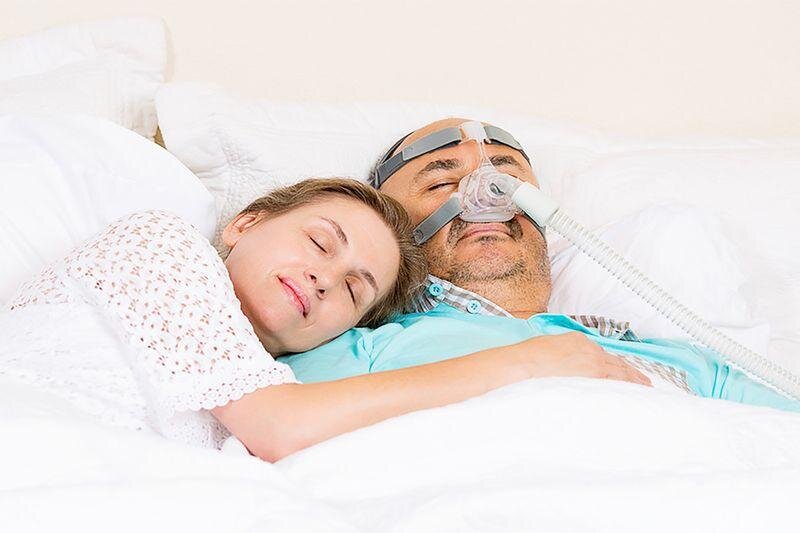
CPAP stands for Continuous Positive Airway Pressure. It involves a small machine that delivers a steady stream of compressed air through a mask to keep your airway open while you sleep. It is highly effective and often recommended for more severe cases, but some patients find the mask or noise difficult to tolerate long-term.
Custom Oral Appliances
Often called a "mouthguard," this is a custom-fabricated Mandibular Advancement Device. It works by gently holding your lower jaw slightly forward, which prevents your airway from collapsing. This is often the preferred choice for patients with mild-to-moderate sleep apnea, or even for those with severe apnea who find CPAP difficult to use. Research shows patients are often more likely to continue using an oral appliance consistently over time.
Treatment Comparison: Which is Right for You?
|
Feature
|
Custom Oral Appliance
|
CPAP Therapy
|
|
How it works
|
Holds lower jaw forward to keep airway open.
|
Uses forced air pressure to keep airway open.
|
|
Best for
|
Mild-to-moderate sleep apnea; patients who find CPAP uncomfortable or travel frequently.
|
Moderate-to-severe sleep apnea; generally considered most reliable for high AHI scores.
|
|
Portability
|
Highly portable, quiet, and requires no electricity.
|
Bulky, requires an electrical outlet and a carrying case.
|
|
Patient Comfort
|
Comfortable and non-intrusive once fitted; easy to adjust.
|
Can be difficult for some due to mask discomfort, noise, or feeling of claustrophobia.
|
|
Long-term Use
|
Patients often show higher long-term adherence.
|
Highly effective, but adherence can be a challenge for some patients.
|
For more detailed information on these treatments and to begin your journey toward better sleep, visit sleep apnea symptoms and treatment today.
Frequently Asked Questions About Sleep Apnea
What are the long-term side effects of untreated sleep apnea?
Beyond severe daytime fatigue, untreated sleep apnea is linked to serious health conditions including high blood pressure, stroke, heart attacks, mood disorders, and memory problems. It can significantly impact your attention, cognitive function, and overall risk of chronic disease.
How do I know if I need a sleep test?
If you experience any combination of the symptoms mentioned—like snoring, morning headaches, excessive sleepiness, or if a partner notices you gasping for air at night—you should consult a specialist. A proper diagnosis is the only way to confirm sleep apnea and protect your health.
How long does it take to get a treatment device?
After your diagnosis, the time can vary. Getting a custom oral appliance can take as little as 2 weeks from the time of your impression to delivery. CPAP equipment is typically delivered quickly by a medical supply company. The overall timeline often depends on your insurance provider's authorization process.
Is this treatment covered by my insurance?
Most major medical insurance plans cover the diagnosis and treatment of sleep apnea. Clinics like BlueSleep are in-network with many national health plans, including Aetna, Cigna, UnitedHealthcare, and Blue Cross. They often handle the pre-authorization and billing processes on your behalf.
Can an oral appliance really treat severe sleep apnea?
Yes, in many cases. Oral appliances are FDA-approved and effective for patients with an AHI (Apnea-Hypopnea Index) under 50. They are often a viable and preferred alternative for patients with severe sleep apnea who are unable or unwilling to use a CPAP machine.